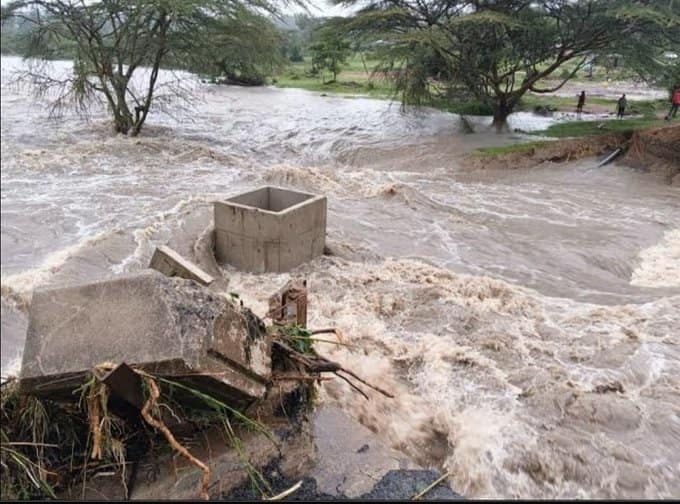
The mood in the Provincial Joint Operation Centre in Polokwane was tense as dawn broke on Monday. On the screens, satellite imagery showed the same stubborn weather system that had just spent the weekend mercilessly drenching the province, still hovering ominously. For the emergency services, disaster management teams, and government officials huddled around radio sets and monitors, there would be no rest. The Limpopo Provincial Government has placed the entire province on a high alert footing as renewed and relentless flooding continues to devastate several districts, following a weekend of rainfall that meteorologists are describing as a “once-in-a-decade” downpour for some regions.
In just 48 hours, parts of the Vhembe, Mopani, and Capricorn districts recorded over 100 millimetres of rain—a volume that has turned ordinarily dry riverbeds into raging torrents, transformed low-lying roads into death traps, and completely submerged villages and farmland. The situation, already critical, is expected to worsen as river systems upstream in neighbouring Botswana and Zimbabwe continue to swell, sending floodwaters cascading into the already saturated Limpopo River basin.
“The ground is completely waterlogged. It cannot absorb any more moisture,” explained Susan Mabitsela, a spokesperson for the provincial disaster management centre, her voice weary after a sleepless night of coordinating rescues. “Any further rain, and we are not just dealing with flash floods in specific areas, but with widespread, catastrophic inundation. We are asking everyone: do not be complacent. The danger has not passed.”
A Weekend of Chaos and Heroism
The weekend’s chaos began late on Friday night. In the small farming town of Makhado (formerly Louis Trichardt), residents were jolted awake by the deafening roar of water. The usually modest Mutshindudi River burst its banks without warning, sweeping away informal structures on its floodplains and cutting off the main access road to several villages.
“We heard a crack like thunder, but it wasn’t thunder. It was the sound of a huge tree being ripped from the ground and carried away by the water,” recalled 62-year-old Elisa Ndlovu, who spent the night huddled on her rooftop with her three grandchildren in the village of Duthuni. “The water came into my house so fast. We had to climb onto the kitchen table, and then onto the roof. We were there for six hours before young men with a rubber boat came to get us. I have never been so frightened.”
Rescue efforts over the weekend were a patchwork of official response and incredible community heroism. In the Nzhelele area, videos circulated on social media showing volunteers forming human chains to pull stranded motorists from vehicles that had become trapped in flooded low-water bridges. Elsewhere, farmers used their tractors to ferry families and their belongings to higher ground.
While a full tally of the damage is yet to be completed, early reports are grim. Dozens of homes, many constructed with traditional mud bricks, have collapsed entirely. Several major roads, including sections of the N1 north of Polokwane, have been damaged or closed due to washaways. In the Groblersdal area, extensive agricultural land—fields of maize and tomatoes ready for harvest—has been submerged, dealing a potentially catastrophic blow to local food security and the livelihoods of small-scale farmers.
The Human and Logistical Toll
The primary concern for authorities on Monday morning was the welfare of thousands of people cut off from essential services. Several rural clinics have become inaccessible, raising fears for those with chronic illnesses or pregnant women close to their delivery dates. Mobile phone networks in some valleys have been knocked out, hampering communication and relief coordination.
Premier Phophi Ramathuba is expected to visit the hardest-hit areas later this week, but for now, the focus remains on the immediate response. The South African National Defence Force has been placed on standby to assist with airlifts if communities become completely isolated. Disaster relief teams are working to establish temporary shelter sites and are preparing to distribute food parcels, blankets, and clean drinking water.
“The immediate priority is search and rescue and ensuring the safety of those in affected areas,” said a spokesperson for the Department of Cooperative Governance and Traditional Affairs (COGTA). “Once the water subsides, we will be faced with the enormous task of assessing the damage to infrastructure, providing humanitarian relief, and beginning the long road to recovery. This is going to be a prolonged operation.”
A Stark Warning for the Days Ahead
With the South African Weather Service predicting continued showers and thundershowers for the eastern parts of the province for the next few days, the “high alert” status is far from a formality. Authorities are particularly concerned about the risk posed by low-water bridges, which have become the primary cause of flood-related deaths in the province in recent years.
“We are pleading with people, especially motorists, to exercise extreme caution,” Mabitsela stressed. “Do not attempt to cross a flooded road or bridge, no matter how shallow the water may appear. The current is often deceptively strong, and the roadbed beneath may have been washed away. It is not worth your life.”
As the sun sets on another day of uncertainty, the people of Limpopo are once again reminded of nature’s awesome and destructive power. For now, the province holds its breath, watching the swollen rivers and the grey skies, hoping for a break in the weather and praying that the spirit of community resilience, so evident over the weekend, will be enough to see them through the crisis.
About The Author