In a strategic move poised to reshape the continent’s digital landscape, Vodacom Group Ltd. has announced a landmark partnership with Elon Musk’s Starlink to deploy high-speed satellite internet across its African markets. The deal is set to revolutionize connectivity in remote and underserved areas, yet it casts a glaring spotlight on South Africa—Vodacom’s home base—which remains conspicuously excluded from the rollout due to protracted regulatory hurdles.
The collaboration will integrate Starlink’s advanced Low-Earth Orbit (LEO) satellite network directly into Vodacom’s existing mobile infrastructure. This hybrid approach is designed to provide seamless, high-speed broadband in regions where laying fibre or building cell towers has been economically unviable or geographically challenging. Furthermore, Vodacom will become an authorized reseller of Starlink kits and services directly to enterprise clients, offering critical business solutions like “unbreakable” backup connectivity for banks, mines, and agricultural operations, safeguarding them against terrestrial network failures.
A Vision for Universal Access Amidst a Regulatory Shadow
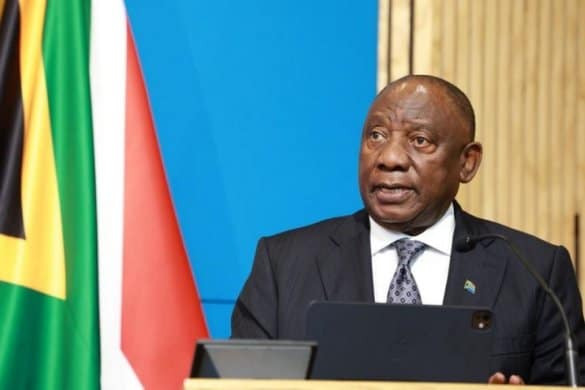
Vodacom CEO Shameel Joosub hailed the partnership as a cornerstone of the company’s “Vision 2030” strategy, aimed at dramatically expanding its customer base and fulfilling the mission to connect every African to the internet. “Low Earth orbit satellite technology is a game-changer,” Joosub stated. “It holds the key to unlocking economic potential and bridging the digital divide, especially in areas where traditional infrastructure is not feasible.”
This vision, however, is currently on hold for South Africans. While Starlink is already operational in approximately 25 African nations, including newer markets like Lesotho, Guinea-Bissau, and Somalia, its entry into the continent’s most advanced economy remains blocked. The primary obstacle is South Africa’s Electronic Communications Act, which mandates that all licensed telecom operators must have a minimum of 30% ownership by Historically Disadvantaged Groups (HDG).
Elon Musk has publicly criticized these Broad-Based Black Economic Empowerment (B-BBEE) requirements, labeling them “racist ownership laws.” Conversely, the Independent Communications Authority of South Africa (ICASA) has maintained that Starlink has not formally applied for a license, a necessary step to trigger any regulatory review or potential exemption process.
A Glimmer of Hope in a Policy Review
A potential pathway to a resolution is emerging. Communications and Digital Technologies Minister Solly Malatsi recently confirmed that the government is actively reviewing thousands of public submissions on a proposed “Value-Added Network Service” license. This new license category could potentially allow global satellite operators to comply with empowerment mandates through substantial social investment programs—such as providing connectivity to schools and clinics—rather than through a direct and contentious equity transfer.
“We are prioritizing it,” Minister Malatsi assured, signalling a sense of urgency. “You cannot sit on submissions; we are working towards a policy conclusion.”
The Vodacom-Starlink deal underscores a pivotal moment for Africa. It highlights the immense promise of technological leapfrogging to achieve digital inclusion, while simultaneously exposing the complex realities of national regulation in a globalized market. As Vodacom and Starlink power ahead, connecting villages and enterprises from the DRC to Mozambique, South Africa finds itself in a paradoxical position: a telecommunications giant at the forefront of a continental revolution, yet watching from the sidelines as its own citizens await the regulatory green light to join the future.
About The Author