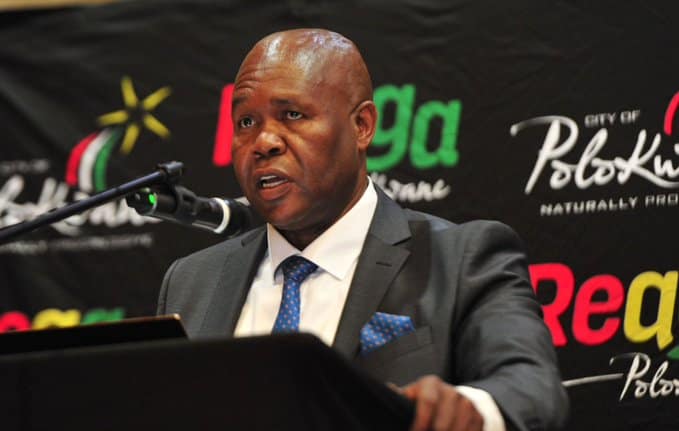
A profound public health and service delivery crisis has gripped the township of Seshego, prompting Polokwane Municipality Executive Mayor John Mpe to schedule an emergency oversight visit to the troubled Zone 4 water plant today. This urgent intervention follows weeks of escalating complaints from residents about foul-smelling, discolored tap water, which local clinics now directly link to a severe and spreading outbreak of gastrointestinal infections.
The situation has transformed a basic human necessity into a source of fear and financial strain for thousands of families. In homes across Seshego’s extensions, buckets and bottles filled with murky, brownish water with a distinct metallic or sulfurous odor stand as stark evidence of the failure of the municipal supply. For over a month, residents report the water has been intermittently undrinkable, causing skin rashes during bathing and, most alarmingly, a surge in debilitating stomach ailments.
“First, it was my youngest child, vomiting and with terrible diarrhea,” said Thandi Mokoena, a mother of three living in Zone 2. “We thought it was a bug. Then my eldest got it. Then my husband. The clinic nurse looked at us and asked, ‘Are you still drinking the tap water?’ That’s when we knew. Now we buy every drop. Two 5-litre bottles a day, just for drinking and cooking. Our grocery money is gone.”
Local clinics, particularly the Seshego Community Health Centre, report being overwhelmed. Nurses, speaking on condition of anonymity due to not being authorized to speak to the media, describe corridors filled with patients, young and old, presenting with acute watery diarrhea, cramps, and dehydration. The most vulnerable—infants, the elderly, and those with compromised immune systems—are at highest risk.
“The epidemiological link is clear,” said one frustrated senior nurse. “The cases are clustered in areas with the worst water complaints. We are treating the symptoms, but the cause is flowing from the taps. We’ve escalated this daily. People need clean water, not just oral rehydration salts.”
The suspected culprit is the Zone 4 water treatment plant, a critical infrastructure node responsible for purifying and distributing water to large sections of the township. Preliminary reports from municipal insiders suggest a possible combination of failures: aging filtration systems, a malfunctioning chemical dosing process for disinfection, or a breach in the pipelines allowing groundwater contamination. Others point to the persistent load-shedding, which disrupts the plant’s pumping and treatment cycles, creating conditions where bacteria can proliferate.
Mayor Mpe’s visit is framed as a direct response to public outcry and formal petitions from community leaders. His office stated he intends to “personally assess the operational challenges at the plant, receive a technical briefing from engineers, and expedite immediate remedial actions to restore water quality.” The announcement has been met with a mix of desperate hope and deep skepticism from a community weary of broken promises.
“We’ll believe it when we see clear water, not just the mayor,” said community activist David Kgaphola. “We’ve had committees, we’ve had meetings. The problem is a lack of maintenance, a lack of investment, and a lack of political will. This plant has been on a downward spiral for years. This outbreak is the tragic but predictable result.”
The economic toll is severe. With the cost of a 5-litre bottle of water hovering around R25, households are spending hundreds of rands extra per week—a catastrophic expense in a community with high unemployment. Small businesses, like hair salons and eateries, are also suffering, forced to purchase water to operate.
The crisis in Seshego is a microcosm of a wider national challenge. It highlights the fragile state of South Africa’s water infrastructure and the dire public health consequences when it fails. As Mayor Mpe tours the plant today, residents await more than just an inspection; they demand a transparent plan, accountable timelines, and, most immediately, tankers of safe, clean water to stem the outbreak and restore dignity to a community living in fear of its own water supply.
About The Author