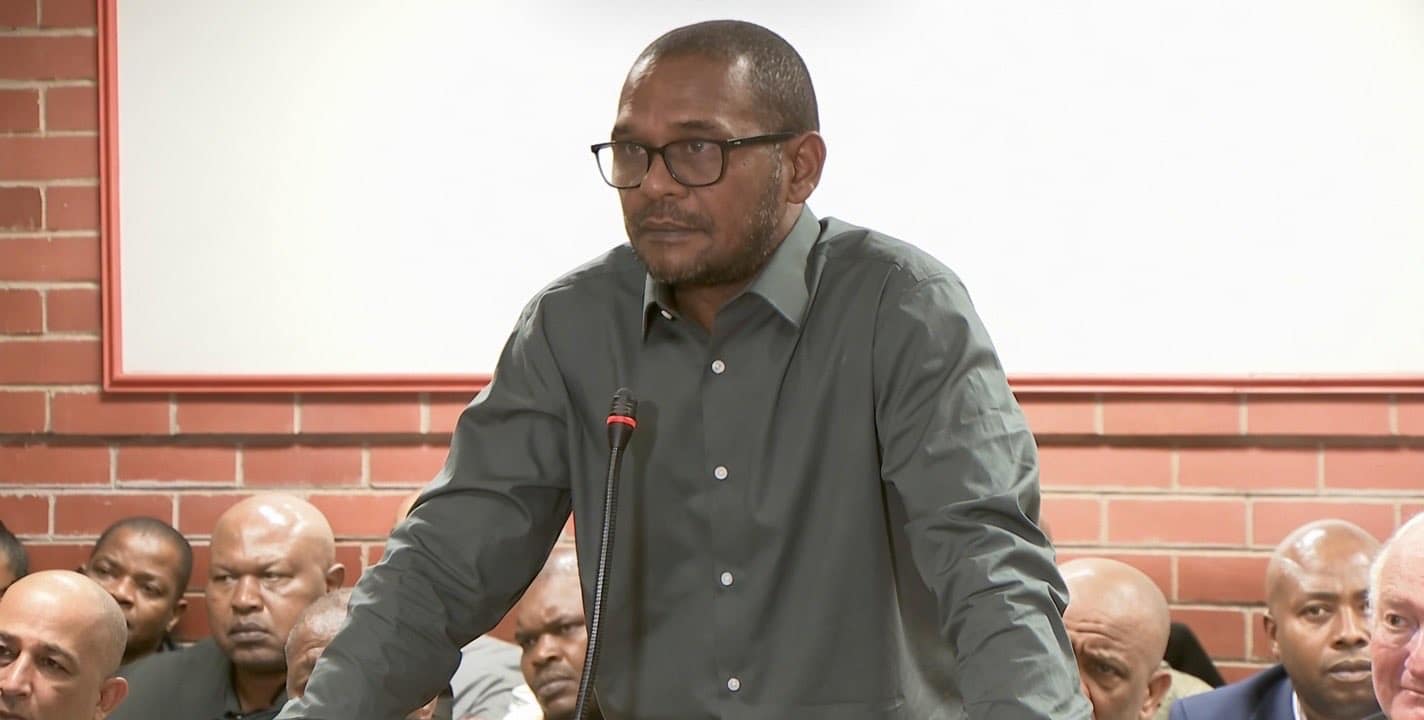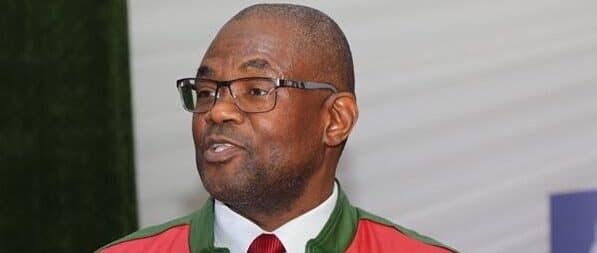
The National Student Financial Aid Scheme (NSFAS), already teetering on the brink of collapse, was dealt a seismic blow on Monday evening as its newly appointed board chair, Dr. Mugwena Maluleke, tendered his resignation with immediate effect. The shock departure of Maluleke—barely months into a tenure meant to steady the listing ship—has deepened the crisis at the heart of South Africa’s most critical instrument for higher education access, leaving millions of impoverished and working-class students in a state of anxious uncertainty.
In a tersely worded statement released just before midnight, the Department of Higher Education confirmed that Maluleke had stepped down from both the board and his interim chairpersonship. Citing “pressing personal and academic commitments,” the veteran educationist made it clear that the demands of his other roles had become irreconcilable with the Herculean task of running the scheme. Insiders, however, suggest the official reasons mask a deeper frustration with the intractable rot within the organization.
Dr. Mugwena Maluleke, a figure long respected in education circles, had taken over the hot seat only a few months ago, following the tumultuous exit of previous leadership. At the time, his appointment was hailed as a return to stability—a steady hand to guide NSFAS through stormy waters. Yet, just as the winter session begins, that hand has let go of the wheel entirely.
His resignation throws the spotlight back onto the unfolding catastrophe inside the scheme’s Pretoria headquarters. For months, NSFAS has been battling a trio of existential failures: direct payments to universities have been delayed for thousands of students, leaving many on the verge of being academically excluded; the much-publicized move to a new direct-payment system for student allowances has resulted in a nightmare of ghost accounts, frozen funds, and money landing in the wrong hands; and perhaps most damaging of all, public trust in the institution has evaporated like morning dew.
Students and university vice-chancellors alike have reported that the usual lines of communication with NSFAS have gone dead. Emails go unanswered, help desks are overwhelmed, and in some provinces, student protests have turned violent, with police having to disperse crowds blocking major highways.
“This is no longer a crisis; it’s a full-blown catastrophe,” said an official from the South African Union of Students (SAUS), who spoke on condition of anonymity. “Maluleke was supposed to be the adult in the room. If he has walked away, it means he saw that the problems are so systemic, so deeply embedded in political interference and mismanagement, that not even he could fix them.”
The timing could not be worse. Universities are preparing for second-semester registrations, and thousands of the so-called “missing middle” students—those from households earning too much for a full bursary but too little to afford fees—are still waiting for confirmation of their 2026 funding. Without a chairperson, and with the board now effectively leaderless, critical funding approvals are stalled.
Higher Education Minister, Dr. Blade Nzimande, has yet to comment directly on Maluleke’s departure, though his spokesperson released a brief statement saying the minister “notes the resignation with concern” and that “contingency plans will be activated.” But critics were quick to pounce. The Democratic Alliance’s shadow minister for higher education called it “the inevitable result of years of cadre deployment and administrative neglect,” while the EFF Student Command accused the government of “sleeping while students starve.”
Inside the NSFAS boardroom, sources describe a climate of fear and paralysis. The standoff between the board and the executive management—specifically over the controversial outsourcing of the direct payment system to a private fintech company—has reached a deadlock. Maluleke, known for his forensic attention to detail, had reportedly been pushing for a full forensic audit into the payment contracts. His sudden exit suggests that push may have failed.
For the students on the ground, however, boardroom politics are a distant luxury. In a hostel in Mamelodi, Tshwane University of Technology student Naledi Dlamini (21) broke down in tears when told of Maluleke’s resignation. “I haven’t received my May allowance,” she said. “My landlady is threatening to evict me. I study by candlelight because I can’t afford electricity. And now the chairperson just leaves? It feels like nobody is coming to save us.”
With no clear successor named and the board’s quorum now in question, the future of NSFAS hangs by a thread. Calls are growing for an interim administrator to be appointed by the Presidency, effectively placing the scheme under administration. But such a move would be a humiliating admission of failure for the government, and one that might not come before thousands of students are forced to abandon their dreams of a degree.
As the winter sun rose over Pretoria on Tuesday, the gates of NSFAS’s Hatfield headquarters remained firmly shut. Inside, lights were off in the chairperson’s office. Outside, a small group of students had already begun to gather, clutching empty food parcels and overdue fee statements. The message was written on their worn faces: The crisis is no longer deepening. It has swallowed us whole.
About The Author