In a welcome reprieve for cash-strapped South African consumers, headline inflation slowed more than expected to 3.0% in February 2026. This marks a significant drop from the 3.5% recorded in January, according to the latest consumer price index (CPI) data released by Statistics South Africa on Wednesday.
The figure lands right at the lower end of the South African Reserve Bank’s (SARB) preferred target range of 3% to 6%, sparking immediate optimism that the worst of the post-pandemic cost-of-living crisis may finally be receding. The sharp deceleration was driven by a combination of base effects, moderating global commodity prices, and a welcome cool-down in several key domestic categories.
What’s Behind the Drop?
The primary drivers of the disinflation were noticeable declines in the annual rates of change for transport, food, and housing costs.
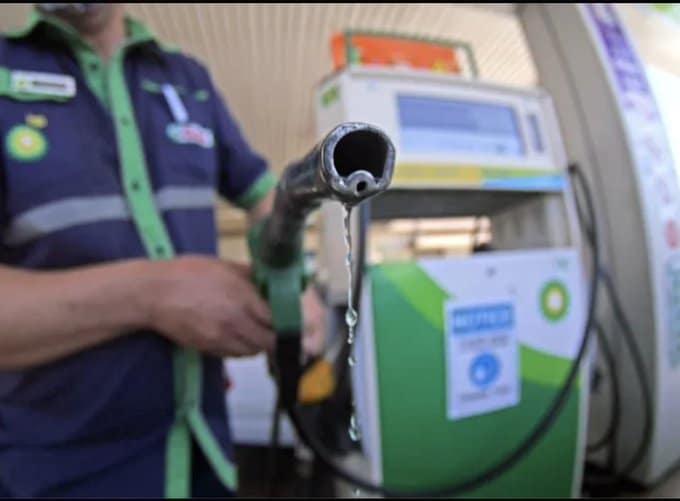
- Transport Costs Tumble: After months of being a primary inflation driver, transport costs registered a dramatic slowdown. This was largely attributed to lower global oil prices feeding into domestic fuel costs. Data showed the index for private transport operation eased considerably compared to the same time last year, when fuel prices were significantly higher.
- Food Inflation Cools: While still a concern for lower-income households, the rate of increase for food and non-alcoholic beverages moderated. Improved agricultural yields and stabilizing input costs have helped take the pressure off staple items like maize meal, bread, and cooking oil.
- Housing and Utilities: The housing and utilities category also saw a marginal slowdown, providing some breathing room for renters and homeowners alike.
Core inflation, which strips out volatile items like food, fuel, and electricity, also edged lower, suggesting that broader price pressures within the economy are beginning to subside.
A Boost for Households and the Economy
For consumers who have endured nearly five years of eroded purchasing power, the February data signals a turning point.
“This is more than just a number; it’s a sign that real incomes are starting to recover,” said Dawie Roodt, a prominent economist at the Efficient Group. “If inflation stays this low while wages gradually adjust, households will finally have some wiggle room in their budgets. We could see a modest uptick in consumer confidence and spending in the coming months.”
The decline in inflation also has significant political implications. As the country gears up for the 2026 municipal elections later this year, the ruling party can point to a stabilizing economy and easing cost-of-living pressures, a stark contrast to the high-inflation environment seen in previous years.
The Political and Monetary Policy Angle
The data arrives at a crucial juncture for the Monetary Policy Committee (MPC) of the SARB, which is scheduled to meet next month.
For months, the SARB has maintained a hawkish stance, holding the repo rate steady to ensure inflation is firmly anchored. However, with inflation now kissing the 3% floor of the target range, pressure is mounting on the Bank to consider a rate cut.
“Given the sharper-than-expected decline, the argument for a rate cut in the second quarter has grown significantly stronger,” commented Elize Kruger, an independent economist. “If the SARB waits too long, they risk inflation falling below the target range, which brings its own set of problems for economic growth.”
A cut in the repo rate would provide immediate relief to indebted consumers, lowering bond and loan repayments, and could stimulate investment.
Looking Ahead
While the 3% figure is a cause for celebration, economists caution that global risks remain, particularly geopolitical tensions that could disrupt oil supply. Domestically, administered prices like electricity and water—which are often hiked above inflation—remain a structural pressure point.
Nevertheless, for February 2026, the numbers tell a clear story: the heat has finally come out of the South African economy, offering a vital lifeline to millions of households and a glimmer of hope for renewed economic momentum.
About The Author