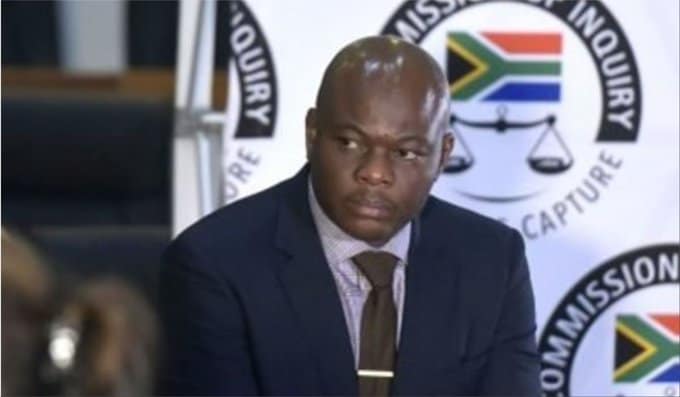
A new and explosive scandal has erupted within the African National Congress (ANC), threatening to reignite bitter factional wars and undermine the legitimacy of its internal electoral processes. It has been confirmed that a significant batch of completed ballot papers from the party’s crucial Johannesburg regional conference in December 2025 was discovered at the private home of the presiding officer from the independent elections firm hired to oversee the vote.
The discovery sends a shockwave through the party, as it directly contradicts stringent ANC protocols mandating that all electoral materials be immediately and securely stored under joint party and independent supervision following the counting and verification process. The ballots in question are from the hotly contested race for Regional Chairperson, which saw challenger Loyiso Masuku unseat incumbent Dada Morero by a razor-thin margin of 47 votes. Morero and his supporters had immediately cried foul, lodging formal complaints of irregularities and potential vote tampering, but their claims were initially dismissed due to a lack of concrete evidence.
“This is no longer just an allegation; it is a catastrophic breach of procedure that validates every concern we raised,” a source close to Morero stated. “Ballots are not souvenirs. Their presence in a private home opens a Pandora’s box of possibilities: Were they altered? Could they have been swapped? Were they kept for leverage or intimidation? The entire result is now poisoned by doubt.”
The presiding officer, whose identity is known to the investigation but has not been publicly released, reportedly claimed the removal was an “administrative error” and that the ballots were “inadvertently” taken for safekeeping. This explanation has been met with deep skepticism from all quarters of the party.
The scandal arrives at a moment of extreme political sensitivity. The ANC in Gauteng, the country’s economic heartland, is already a cauldron of factional tension, with the December conference seen as a key battleground between factions loosely aligned with President Cyril Ramaphosa and his detractors. Masuku’s victory was touted as a win for the “Ramaphosa-aligned” camp, while Morero represents a more established local structure.
With national elections looming in 2027, the party’s ability to project unity and integrity in its own backyard is paramount. This incident does the opposite, painting a picture of disarray and potential skullduggery at the very foundation of its democratic processes.
President Cyril Ramaphosa and top national officials have been briefed and are said to be “deeply concerned.” They have ordered a full and urgent investigation by the party’s National Executive Committee (NEC) to determine the chain of custody, the intent behind the breach, and whether the integrity of the Johannesburg result was compromised. The independent elections firm has also launched its own internal probe and suspended the officer involved.
“This is a test of the ANC’s commitment to its own rules,” said political analyst Professor Sipho Dube. “If it is seen to sweep this under the rug to protect a factional outcome, it will confirm the public’s worst fears about internal decay and manipulation. A truly independent audit, potentially involving a re-count of all ballots from sealed storage, may be the only way to salvage credibility.”
For now, the physical ballots have been retrieved and placed under guard. But the political damage is already spreading. Morero’s faction is demanding the conference result be nullified and a re-run ordered. Masuku’s supporters argue that the breach, while serious, occurred after the result was declared and certified, and should not invalidate a democratic outcome.
As the investigation unfolds, one thing is clear: the discovery of those ballot papers in a private home has done more than breach a protocol. It has thrown a lit match into the dry tinder of ANC factionalism, threatening a conflagration that could consume the party’s prospects in Gauteng and further erode the fragile public trust ahead of 2027.
About The Author