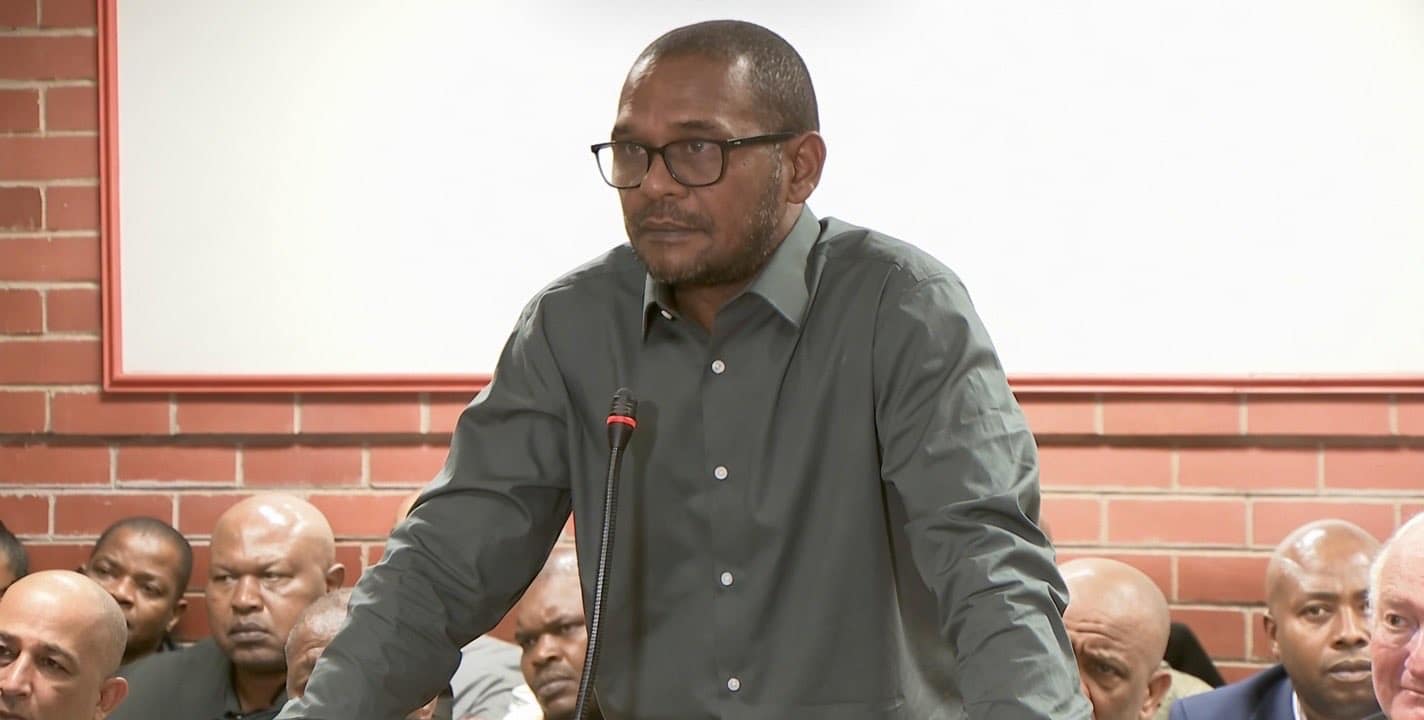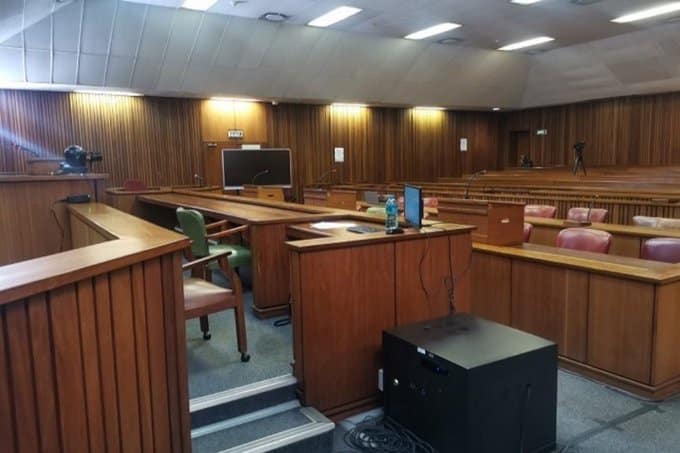
A cloud of fear that has hung over the West Rand community of Randfontein for months may finally be lifting as six alleged kidnappers are set to appear in the Westonaria Magistrates Court this morning, following their dramatic arrest during a series of coordinated police operations.
The suspects, aged between 24 and 41, are believed to be part of a sophisticated criminal network that targeted vulnerable community members—including schoolchildren and small business owners—in a wave of abductions that left Randfontein residents living behind locked gates and barred windows.
“We have been sleeping with one eye open,” said Margaret Dlamini, a 52-year-old grandmother whose 14-year-old grandson narrowly escaped an attempted kidnapping outside his school last month. “Every time a child is late coming home, your heart stops. You think, ‘Is this the day? Is this the day they don’t come back?’ Today, maybe we can breathe a little.”
The Arrests
The arrests took place over a 48-hour period ending late Sunday night, when members of the South African Police Service (SAPS) West Rand Task Force, working in conjunction with private security firms and crime intelligence, raided three properties in Randfontein, Kagiso, and Mohlakeng.
According to Brigadier Athlenda Mathe, SAPS national spokesperson, the operation was the culmination of a three-month investigation that involved digital forensics, cellphone tracking, and old-fashioned street intelligence.
“These were not opportunistic crimes,” Mathe told reporters outside the Westonaria court on Monday morning. “The evidence we have gathered suggests a structured operation with clear roles: spotters, transporters, negotiators, and those who held victims captive. We have dismantled what we believe to be the core of this particular cell.”
During the raids, police seized:
- Three unlicensed firearms, including a 9mm pistol reported stolen in a 2022 housebreaking
- Multiple cellphones and SIM cards believed to have been used to demand ransoms
- A silver Hyundai i20 suspected of being used in at least four abductions
- Binders containing handwritten notes on potential victims, including their daily routines, family structures, and estimated financial means
- Rope, duct tape, and balaclavas
The Victims’ Ordeal
While police have not released the names of victims to protect their identities, court documents obtained by local media paint a harrowing picture of what residents endured.
In one case, a 34-year-old spaza shop owner was snatched outside his store in Greenhills on a Tuesday evening in February. According to the charge sheet, he was held for six days in a dark room in Kagiso, fed only bread and water, while his family was forced to sell their car and borrow from relatives to raise a R50,000 ransom.
“He came home a different man,” said a neighbor who asked not to be named. “Before, he was always laughing, always joking. Now he doesn’t go outside after 4 p.m. He doesn’t trust anyone. His business is gone. His peace is gone.”
In another alleged incident, two teenage siblings—a 16-year-old girl and her 13-year-old brother—were approached by a man in a silver car as they walked home from a tuck shop. The girl managed to push her brother into a ditch and run for help, screaming at the top of her lungs. The alleged kidnappers sped away but not before the girl memorized the license plate—a detail that police say proved crucial to the investigation.
“These children are heroes,” said Councillor Samuel Nkosi, who represents the Randfontein ward where the incident occurred. “But they should never have had to be heroes. They should have been safe on their own street.”
The Randfontein Kidnapping Wave
Randfontein, a mining town approximately 45 kilometers west of Johannesburg, has seen a disturbing surge in kidnapping cases over the past 18 months. While official statistics are lagging, community safety forums estimate that at least 22 abduction or attempted abduction cases have been reported since January 2025 alone.
The pattern, according to local police, has shifted dramatically. Unlike the high-profile kidnappings for ransom that target wealthy businesspeople in Sandton and Bryanston, the Randfontein cases have overwhelmingly targeted lower-income residents.
“These are not million-dollar ransoms,” explained private investigator and security analyst Yusuf Abramjee. “We are talking about R5,000, R10,000, R20,000—amounts that are devastating to a working-class family but relatively easy to extract through fear and desperation. The kidnappers have realized that small ransoms are easier to collect and less likely to attract major police resources. It is a business model built on the vulnerability of the poor.”
Police Strategy Shift
The successful arrests mark a rare victory in what has been a bleak period for anti-kidnapping efforts in Gauteng. Earlier this year, a parliamentary committee heard that South Africa has become a “kidnapping hotspot,” with an average of 1,000 reported abductions per month nationwide—though experts believe the true figure is much higher due to underreporting.
Brigadier Mathe credited the arrests to a new intelligence-sharing protocol between SAPS, the Hawks, private security companies, and neighborhood watches in the West Rand.
“We realized that the old way—waiting for a crime to be reported, then investigating—was not working,” she said. “These kidnappings are fast, fluid, and frightening. We had to become faster. We had to become more agile. In this case, we were.”
She also acknowledged the role of community members who came forward with information, despite their fear of reprisal. “Ordinary people took extraordinary risks to give us the pieces of the puzzle. We owe them a debt of gratitude.”
The Court Appearance
The six suspects are expected to face multiple charges, including kidnapping, extortion, assault with intent to do grievous bodily harm, possession of unlicensed firearms, and conspiracy to commit a crime.
The State is expected to oppose bail vigorously, arguing that the suspects are a flight risk and that they may intimidate witnesses if released.
“We will be presenting evidence that some of these individuals have ties to cross-border criminal networks,” said a prosecutor involved in the case who spoke on condition of anonymity. “This is not a petty crime ring. This is organized criminal activity that terrorized an entire community.”
Defense lawyers for the accused have not yet commented publicly on the charges.
Community Reaction
Outside the Westonaria Magistrates Court on Monday morning, a small crowd of Randfontein residents had gathered by 6 a.m., holding placards that read “No Bail for Kidnappers” and “Protect Our Children.”
“We are here to make sure the magistrate sees our faces,” said Andile Mkhwanazi, who organized a community safety group after his neighbor’s daughter was abducted and later released. “We want justice. We want to go back to living, not just surviving.”
Others expressed cautious optimism. “I will believe it when I see them in orange jumpsuits, behind bars,” said a father of three who lives in Toekomsrus. “We have seen arrests before. Then the suspects get bail, and they come back, and nothing changes. This time must be different.”
A Broader Crisis
The Randfontein case shines a harsh light on South Africa’s broader kidnapping epidemic. According to the latest crime statistics, kidnapping increased by 11% year-on-year in the fourth quarter of 2025, with Gauteng accounting for more than half of all cases.
Experts point to several driving factors:
- Economic desperation: With unemployment hovering above 32%, some individuals have turned to kidnapping as a “quick money” enterprise.
- Cross-border syndicates: Intelligence reports suggest that some kidnapping groups have ties to human trafficking networks operating between South Africa, Zimbabwe, Mozambique, and beyond.
- Police under-resourcing: Specialized units like the Family Violence, Child Protection and Sexual Offenses (FCS) unit remain understaffed and underfunded.
- Low risk of conviction: Fewer than 20% of reported kidnappings result in a successful prosecution, creating a perception of impunity.
What Happens Next
The suspects will appear in court this morning for a formal bail application hearing. If denied bail, they will remain in custody at the Krugersdorp Correctional Centre while the State prepares its indictment.
Meanwhile, police say the investigation is ongoing and further arrests cannot be ruled out. “We believe there may be additional individuals who facilitated these kidnappings—providing safe houses, laundering ransom payments, or tipping off suspects about police movements,” said Brigadier Mathe. “The net is not closed yet.”
For the families of victims, however, the arrests are a first step toward healing—or at least toward something resembling justice.
“My son still wakes up screaming,” said the mother of the 14-year-old boy who narrowly escaped abduction. “He doesn’t want to walk to school anymore. I have to drive him. I have to quit my job to drive him. But what choice do I have? At least now I can tell him: ‘The bad men are gone. For now, they are gone.'”
Whether that sense of relief will last depends on what happens inside the courtroom—and whether the West Rand’s kidnapping crisis has truly been dismantled or merely disrupted. For now, Randfontein dares to hope.
About The Author