Cape Town – The marble halls of Parliament, usually accustomed to the dull hum of bureaucratic procedure, became the stage for a high-stakes political drama on Thursday. Tensions erupted in a portfolio committee room as Sarah-Jane Trent, a former assistant to the controversial private investigator Paul O’Sullivan, endured a brutal grilling from Members of Parliament over her involvement in the investigation that brought down former acting national police commissioner Khomotso Phahlane.
The session, intended to shed light on the private investigation that ran parallel to—and arguably ahead of—official police work, quickly descended into a combative standoff. At its center was a single, explosive question: Did Trent and her boss operate as a rogue unit, or were they uncovering truths the State was unwilling to touch?
The proceedings became so heated that the chairperson was forced to call a brief recess, allowing MPs to “regroup” and tempers to cool after a series of pointed exchanges left the witness visibly shaken and opposition members shouting over one another.
The Investigation That Shook the Top Cop
The inquiry centers on events that sent shockwaves through the South African Police Service (SAPS). Khomotso Phahlane, who rose to the pinnacle of the police force as acting National Commissioner, was dogged by allegations of corruption and lavish spending. It was an investigation led by Paul O’Sullivan and assisted by Trent that brought forward critical evidence, leading to Phahlane’s arrest in 2020 on charges of fraud and money laundering related to multi-million-rand tenders.
However, the methods used to obtain that evidence are now under the microscope. MPs on the committee, particularly those from the ruling party, accused Trent of overstepping her mandate and “playing cop.”
“You were a private individual, Ms. Trent. An assistant to a private investigator,” one MP jabbed, leaning into his microphone. “Yet you gathered intelligence on a sitting, high-ranking police officer. Did it not occur to you that you were interfering with state security?”
Trent, sitting alone at a long table stacked with binders of evidence, met the question with a steely gaze. “We were exposing corruption that the state’s own mechanisms were failing to address,” she replied. “My role was administrative and investigative support. We followed the money, and the money led to the truth.”
“We Are Not on Trial”
It was this clash of narratives—civilian watchdog vs. unlawful meddler—that fueled the afternoon’s fury. Trent repeatedly defended the investigation as both legal and necessary, insisting that every piece of evidence handed to the Hawks was meticulously gathered.
At one point, an opposition MP slammed his fist on the desk, demanding to know why the committee was “harassing the messenger” instead of focusing on the corruption of the former commissioner. “We should be thanking Ms. Trent, not tearing her apart!” he shouted, prompting a chorus of “Point of order!” from across the aisle.
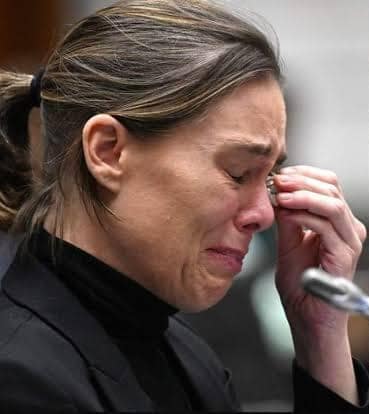
The emotional peak came when an MP suggested that Trent and O’Sullivan had a “personal vendetta” against Phahlane. Trent’s voice, which had remained steady for hours, finally cracked with indignation.
“I had nothing to gain from this but threats to my safety,” she said, her voice rising above the murmur. “We did this because no one else would. To suggest it was personal is an insult to the work and the risk involved.”
It was at this moment that the chairperson wielded the gavel, calling for a five-minute suspension. “Members will conduct themselves with the decorum expected of this House. We are not here for a spectacle,” she warned, though the damage had already been done.
The Recess and the Road Ahead
During the brief break, Trent was seen huddled with her legal team, while MPs gathered in tight circles, whispering strategy. When the session resumed, the questioning was more controlled, but no less intense.
The committee is now tasked with a difficult mandate: determining whether the private investigation into Phahlane represented a healthy civic check on power, or a dangerous precedent of civilians gathering intelligence on top law enforcement officials.
For Phahlane, who has consistently denied the charges against him and is fighting them in court, the parliamentary scrutiny of his accusers offers a potential lifeline. For Trent, the day in Parliament was a baptism of fire.
As she packed her files at the end of the session, avoiding the gaggle of reporters, one thing was clear: the accountability clash is far from over. While the committee’s report may take weeks to finalize, the images of a divided Parliament grilling a corruption whistleblower will linger long in the public memory.
About The Author