Pretoria – As the spectre of a full-blown regional conflict looms over the Middle East, the South African government has confirmed that more than 6,400 citizens currently in the region have registered on the Department of International Relations and Cooperation’s (DIRCO) Travel Smart online system.
The dramatic spike in registrations comes amid escalating hostilities and a series of retaliatory strikes that have raised fears of the Gaza war spiralling into a wider confrontation involving Iran and its proxies. For DIRCO’s consular services, the numbers represent a critical operational shift: the clock is ticking to account for every South African potentially in harm’s way.
“These registrations are a positive sign that our people are heeding the call to make their whereabouts known,” a departmental spokesperson said on Friday. “But registering is only the first step. We need those on non-essential visits to leave while commercial options remain available.”
A Fragile Window of Opportunity
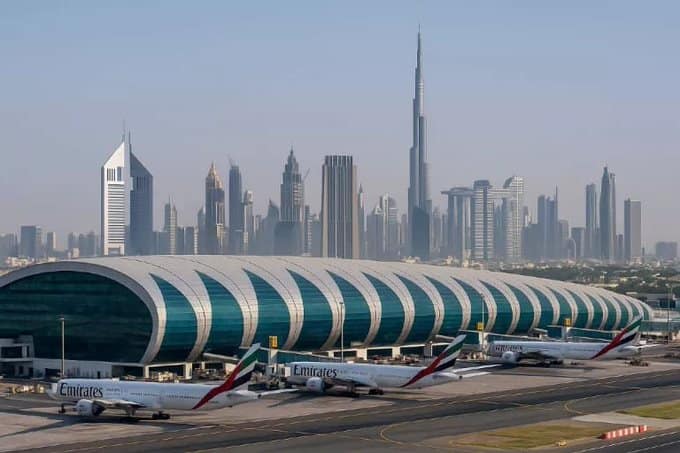
The warning comes as a number of major international airlines have begun a tentative resumption of flights to and from key hubs like Dubai and Doha, after days of widespread cancellations and airspace closures. However, officials stress that this window is fragile and could slam shut at a moment’s notice should the security situation deteriorate further.
While the exact breakdown of the 6,400 registrants—whether they are long-term residents, contract workers, or short-term visitors—is not publicly available, the figure represents a significant portion of the estimated South African expatriate community scattered across the region. The government is particularly concerned about those in Israel, the Occupied Palestinian Territories, Lebanon, and Iran.
“We are in direct contact with community leaders and known groups,” the department added. “The message is consistent: if your presence is not essential, please make arrangements to leave.”
The ‘Travel Smart’ Imperative
The spike in usage of the Travel Smart system highlights a recurring challenge for DIRCO during international crises: the difficulty of locating citizens who have not registered. Often, by the time a crisis erupts, it is too late for the government to offer effective assistance beyond advice, especially in active war zones where extraction operations are complex and dangerous.
The system allows DIRCO to send targeted SMS and email alerts about safety protocols, flight availability, and designated safe zones. For the 6,400 now in the system, they will be the first to know if the government advises moving to specific shelters or if a rare repatriation flight is organized.
Caught Between Two Fires
For South Africans living in the region, the anxiety is palpable. In Lebanon, where the Iranian-backed Hezbollah group has exchanged near-daily fire with Israeli forces, the South African community is watching the border with dread. In Israel, dual nationals are navigating life under the shadow of rocket attacks and potential ground offensives.
Meanwhile, in the Gulf states like the UAE and Qatar, which are geographically removed from the immediate conflict but vulnerable to wider escalation, the mood is one of tense vigilance. The South African embassy in Abu Dhabi and the mission in Doha have been fielding hundreds of calls from anxious nationals unsure whether to book expensive last-minute flights out or to shelter in place.
Government’s Stance
Pretoria has repeatedly called for an immediate ceasefire in Gaza and a de-escalation of regional tensions. However, its diplomatic efforts are running parallel to a starkly practical reality: the State’s capacity to extract citizens from a war zone is extremely limited.
While DIRCO coordinates with partner countries for possible assistance, the primary advice remains for individuals to use their own resources to leave while commercial airlines are still operating.
“We are monitoring the situation hour by hour,” the statement concluded. “The safety of South Africans abroad is our utmost concern. We urge anyone still in the region who hasn’t done so to register on Travel Smart immediately.”
As the world holds its breath for the next move in this high-stakes geopolitical chess game, the 6,400 names on a database in Pretoria serve as a stark reminder of the human lives caught in the middle.
About The Author