In a dramatic escalation of diplomatic pressure, the United States has trained its sights directly on Kigali, imposing sweeping sanctions on the Rwanda Defence Force (RDF) and four of its most senior military commanders. The move, announced by the US Treasury Department on Monday, accuses Rwanda of active military involvement in the bloody conflict tearing apart eastern Democratic Republic of Congo and demands an immediate, unconditional withdrawal of its forces.
The sanctions represent the most significant punitive action taken by a Western power against Rwanda since the 1994 genocide, and they signal a profound shift in Washington’s patience with its long-time ally. For years, Rwanda has denied accusations from the DRC, UN experts, and human rights organizations that it is backing the M23 rebel group, a Tutsi-led militia that has captured vast swathes of territory in North Kivu province. With this action, the US is effectively calling Rwanda’s bluff.
“The United States is taking this step in response to the ongoing involvement of the Rwanda Defence Force in the perpetuating violence and instability in the eastern Democratic Republic of the Congo,” a senior State Department official said. “These sanctions target those responsible for actions that prolong the conflict, displace millions, and cause immense human suffering. Our message is clear: this must stop.”
The sanctions freeze any US-based assets of the RDF as an entity and specifically target four high-ranking officers, barring them from doing business with American citizens or companies. While the immediate financial impact may be limited, the symbolic weight is immense. It places Rwanda in the company of nations and actors the US considers pariahs in the international system.
The Anatomy of a Proxy War
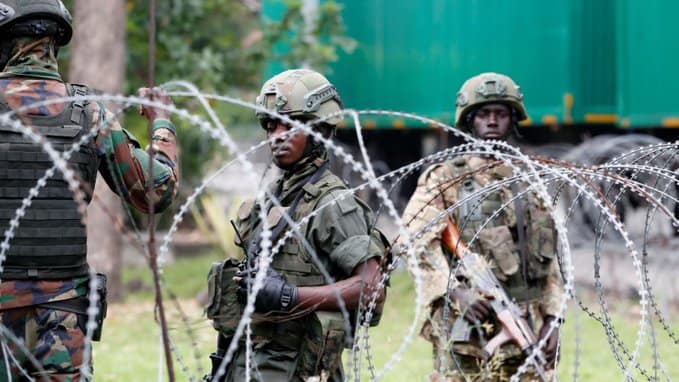
The conflict in eastern DRC is one of the most complex and enduring on the African continent, a tangled web of ethnic grievances, mineral wealth, and foreign interference. The M23, which takes its name from a failed 2009 peace deal, re-emerged from dormancy in late 2021 and has since routed the Congolese army, seizing the key towns of Bunagana and Kiwanja and threatening the regional hub of Goma.
The DRC, along with a cascade of UN reports, has consistently presented evidence that the rebels are not operating alone. They allege that the M23 is effectively a proxy force for the RDF, armed, equipped, and even commanded by Rwandan officers. Kigali has vehemently and consistently denied these allegations, instead pointing the finger at the DRC for harboring the FDLR, a Hutu rebel group founded by those responsible for the genocide against Rwanda’s Tutsi population. This cycle of accusation and counter-accusation forms the deadly carousel of violence that has plagued the region for three decades.
The US sanctions cut through this diplomatic noise. By naming the RDF as an entity and its individual officers, Washington is declaring that it accepts the findings of its own intelligence and the UN Group of Experts: that Rwanda is a belligerent, not a bystander.
A Blow to Kagame’s Image
For Rwandan President Paul Kagame, the sanctions are a bitter pill. Kagame has cultivated an image on the world stage as a visionary leader who rebuilt a shattered nation into a model of development and stability. He has been a darling of Western capitals, lauded for his economic reforms and his disciplined military, which has been a major contributor to UN peacekeeping missions across Africa.
However, that reputation has become increasingly tarnished by the long shadow of Congo. Critics have long accused Kagame of using the cover of security concerns to plunder the DRC’s vast mineral wealth—coltan, gold, tin, and tantalum—which fuels the global electronics industry. The sanctions implicitly endorse this view, suggesting that Rwanda’s military adventures are not about defensive security, but about resource extraction and regional hegemony.
The four officers named in the sanction list are believed to be key figures in the chain of command linking Kigali to the M27’s battlefield operations. While their names are not household figures internationally, within the tight-knit RDF officer corps, the sanctions will send a chilling message: serving in certain commands now comes with the risk of becoming a global pariah.
Regional Ramifications
The US action has sent shockwaves through the region. The DRC government in Kinshasa, which has long pleaded for the international community to take stronger action against Rwanda, welcomed the move with open arms.
“At last, the truth is being acknowledged,” said a DRC government spokesperson. “Rwanda is an aggressor. They are killing our people and stealing our resources. We call on the international community to follow the United States and impose further measures until Rwandan troops leave our soil.”
Neighboring countries, including Uganda and Burundi, which have their own complex entanglements in the conflict, will be watching closely to see if they are next. The sanctions also complicate the role of regional blocs like the East African Community (EAC) and the Southern African Development Community (SADC), which have been struggling to mediate a peace process that now appears even more fragile.
What Happens Now?
The US has demanded an immediate withdrawal. But compliance is far from certain. Kagame has built his political career on defiance, and his government has already issued a statement dismissing the sanctions as “unjustified and unfounded.” In Kigali, the narrative will be that Rwanda is once again being scapegoated by a West that does not understand the security threats it faces.
The coming weeks will be critical. The sanctions could be followed by further measures, including potential restrictions on World Bank and IMF lending, which would have a real impact on Rwanda’s economy. Alternatively, they could serve as a pressure tactic to force Rwanda to the negotiating table in a more constructive manner.
For the millions of displaced civilians huddled in camps around Goma, the diplomatic drama in Washington and Kigali feels distant. All they know is the sound of guns and the hunger in their children’s bellies. The US sanctions may not bring peace overnight, but they have shattered the plausible deniability that has allowed Rwanda to wage a shadow war for decades. The world is now watching to see if the words “immediate withdrawal” become a reality.
About The Author