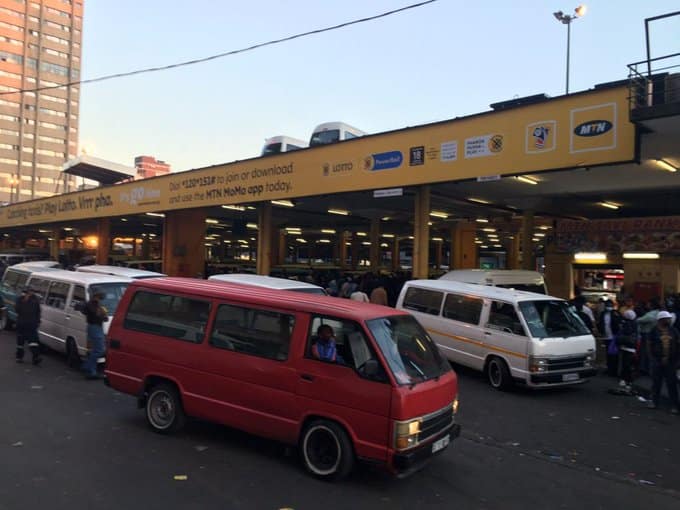
In a significant and symbolic gesture aimed at curbing the carnage on South Africa’s highways, long-distance taxi drivers and their representative associations have publicly committed to a new era of responsible conduct, signing a landmark Road Safety Pledge at Johannesburg’s bustling Noord Taxi Rank. The event, held on the cusp of the peak festive travel period, represents a critical, community-driven step towards addressing a longstanding national crisis, offering a glimmer of hope to millions who depend on minibus taxis for essential travel.
The Noord Taxi Rank, a perpetual hive of activity serving as a primary gateway for travelers heading to provinces like Limpopo, Mpumalanga, Zimbabwe, and Mozambique, provided a powerful backdrop for the commitment. Against the constant hum of engines and the urgent calls of rank marshals, drivers and association leaders appended their signatures to a document that binds them to a covenant of care—promising to adhere to traffic laws, prioritize passenger safety above all else, and champion a culture of patience and professionalism on every journey.
“This is not just a paper for ceremony; this is a contract with the nation,” declared Sipho “Mashaya” Nkosi, Chairperson of the United Long-Distance Taxi Association (ULTA). “We are the lifeblood of mobility for our people, especially during holidays. With that role comes a profound responsibility. This pledge is our word—to our passengers, to other road users, and to ourselves—that we are committing to change the narrative, one responsible trip at a time.”
The pledge emerges from a pressing context. The minibus taxi sector, which transports over 70% of South Africa’s commuting public, has been historically plagued by a reputation for lawlessness—associated with speeding, overtaking on blind rises, and vehicles operating without valid licenses or in dire mechanical condition. These factors have contributed devastatingly to the country’s persistently high road fatality statistics, particularly during festive seasons when travel volumes soar.
The signing ceremony, however, pointed to a potential turning point, driven by several key factors:
- Internal Industry Reform: Progressive association leaders have grown weary of the damage caused by a reckless minority, recognizing that safety is both a moral imperative and a business necessity. Fatal crashes lead to lost vehicles, drivers, income, and irrevocable reputational harm.
- Collaborative Pressure: The event was supported by the Department of Transport, Johannesburg Metropolitan Police Department (JMPD), and road safety NGOs like the Road Traffic Management Corporation (RTMC). This reflects a shift from pure enforcement to a partnership model, offering support in exchange for accountability.
- Passenger Advocacy: Increased pressure from a more informed and demanding passenger base, often using social media to call out dangerous driving, has created a bottom-up demand for safer services.
The pledge outlines specific commitments, including:
- Obeying all speed limits and road traffic signs.
- Conducting pre-trip vehicle safety checks.
- Ensuring drivers are properly licensed and rested.
- Zero tolerance for alcohol or substance abuse while operating a vehicle.
- Respecting all other road users.
For passengers like Matshidiso Mokoena, who travels annually from Johannesburg to Giyani, the pledge is a deeply personal reassurance. “When you get into a taxi, you are placing your life and the future of your family in the driver’s hands,” she said, waiting in line at Noord. “To see them stand up and make this promise publicly… it gives us hope. We want to get home to our families, and we believe they want to get home to theirs, too.”
The true test, of course, will be in the relentless kilometers of tarmac that lie ahead. Enforcement of the pledge will rely heavily on peer monitoring within associations and the continued vigilance of traffic authorities. Yet, the act of public commitment itself is transformative. It establishes a new, publicly stated standard of professional conduct and provides a tangible benchmark against which the industry can be measured.
As the festive exodus begins, the signed pledges at Noord Taxi Rank stand as more than symbolic. They are a collective vow, etched in ink and voiced in public, to make the journey as important as the destination. In a nation weary of road tragedy, this driver-led initiative marks a crucial mile marker on the long road toward safer travel for all.
About The Author