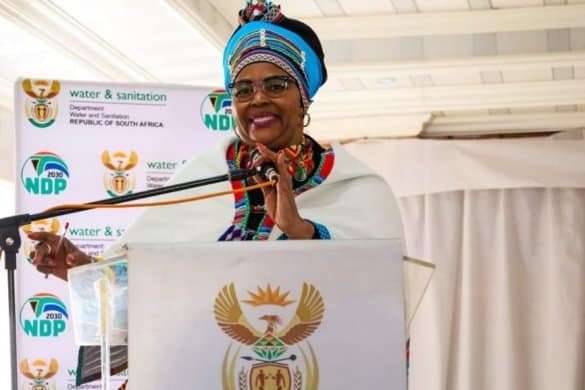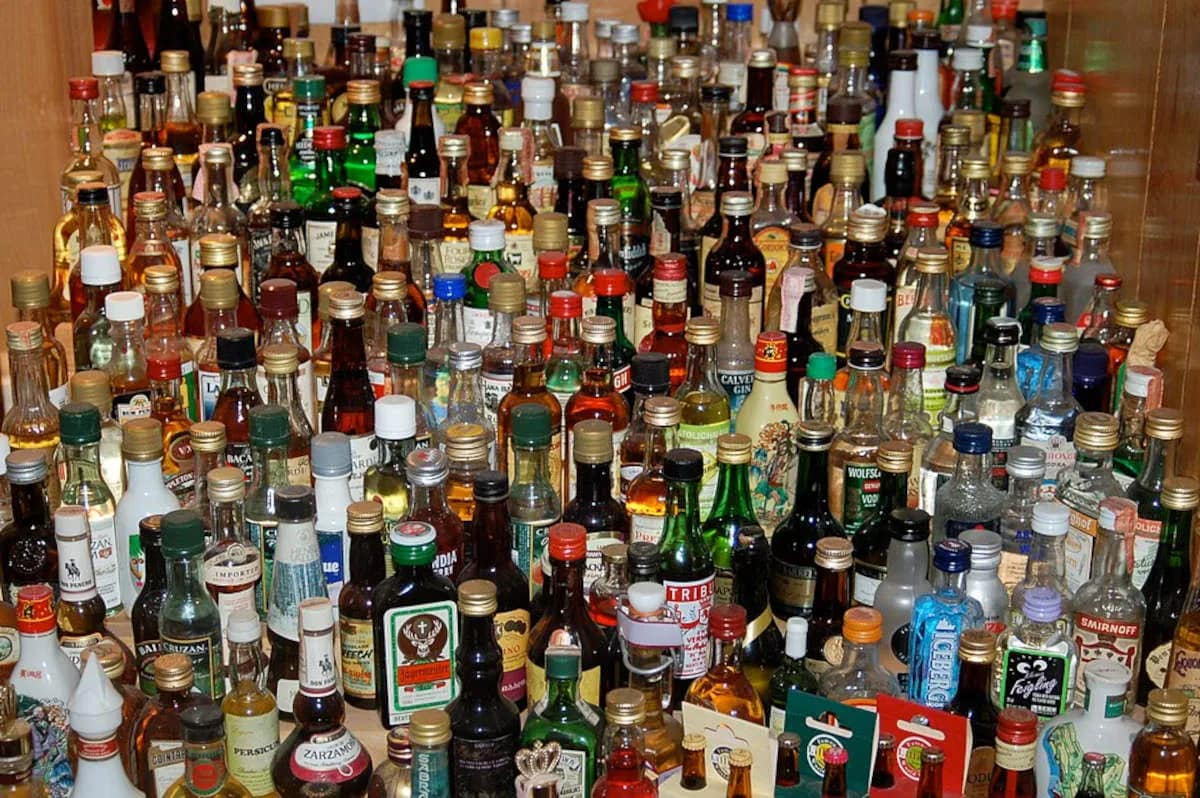
The Economic Freedom Fighters (EFF) have re-ignited South Africa’s long and bumpy battle over alcohol advertising. On 8 September 2025, EFF MP Veronica Mente-Nkuna tabled a private member’s bill in Parliament to amend the Liquor Act 59 of 2003. The move comes nearly seven years after notice of the Bill was first given in 2018 — and against the backdrop of more than two decades of failed attempts to curb alcohol marketing.
From Tobacco to Alcohol: The Missed Momentum
Back in 1999, after South Africa’s groundbreaking Tobacco Control Amendment Act, then-health minister Nkosazana Dlamini Zuma asked tobacco control activists to tackle alcohol next. But the same energy and political will never materialised. Instead, alcohol was treated as a lesser public health threat, and reform efforts fizzled.
The Liquor Act of 2003 addressed advertising only superficially, barring false or misleading promotions and ads targeting minors. It left untouched the broader issue of alcohol marketing’s influence on society.
Youth, Government, and Civil Pushes That Went Nowhere
Over the years, various groups tried to push the agenda:
- 2008: The ANC Youth League resolved to campaign for a total ban on alcohol advertising across all media. Nothing came of it.
- 2010: South Africa signed the WHO’s global alcohol harm-reduction strategy, which encouraged tighter regulation but stopped short of calling for a full ban.
- 2011: The Department of Social Development’s Anti-Substance Abuse Summit called for restrictions and an eventual advertising ban. But the department lacked the power to legislate.
- 2012–2013: Health Minister Aaron Motsoaledi drafted the Control of Marketing of Alcoholic Beverages Bill, which proposed a full ban. Business, media, and sporting bodies pushed back fiercely, citing job losses and economic fallout. Cabinet initially endorsed the draft, but political divisions killed it before it ever reached public comment.
The 2016 Policy Shift
In 2016, then-trade minister Rob Davies introduced a Liquor Amendment Bill, which included bold measures like raising the legal drinking age to 21 and stricter advertising limits. It stopped short of a total ban but marked a significant step forward. Despite Cabinet approval, the Bill was shelved in late 2017 — reportedly for “political considerations.”
Covid-19 Exposed the Harm — But Changed Nothing
During the alcohol bans of the Covid-19 lockdowns, the devastating impact of alcohol harm became undeniable, leading even President Cyril Ramaphosa to call for action in 2021. Yet no progress was made in reviving the stalled Amendment Bill or passing new legislation.
Why the EFF’s Bill Matters Now
Against this backdrop of inertia, the EFF’s private member’s bill represents the first real parliamentary attempt in years to tackle alcohol advertising head-on. Advocacy groups like Working for an Alcohol Safer South Africa (Wassa) have welcomed the Bill, warning that the industry continues to target young people and normalize drinking as part of adulthood.
The big question: Will Parliament and the Government of National Unity have the political will to pass it — even in the face of inevitable industry pushback?
As former minister Rob Davies wrote in his memoir Towards a New Deal: when it comes to alcohol advertising reform, “It remains to be seen.”
About The Author