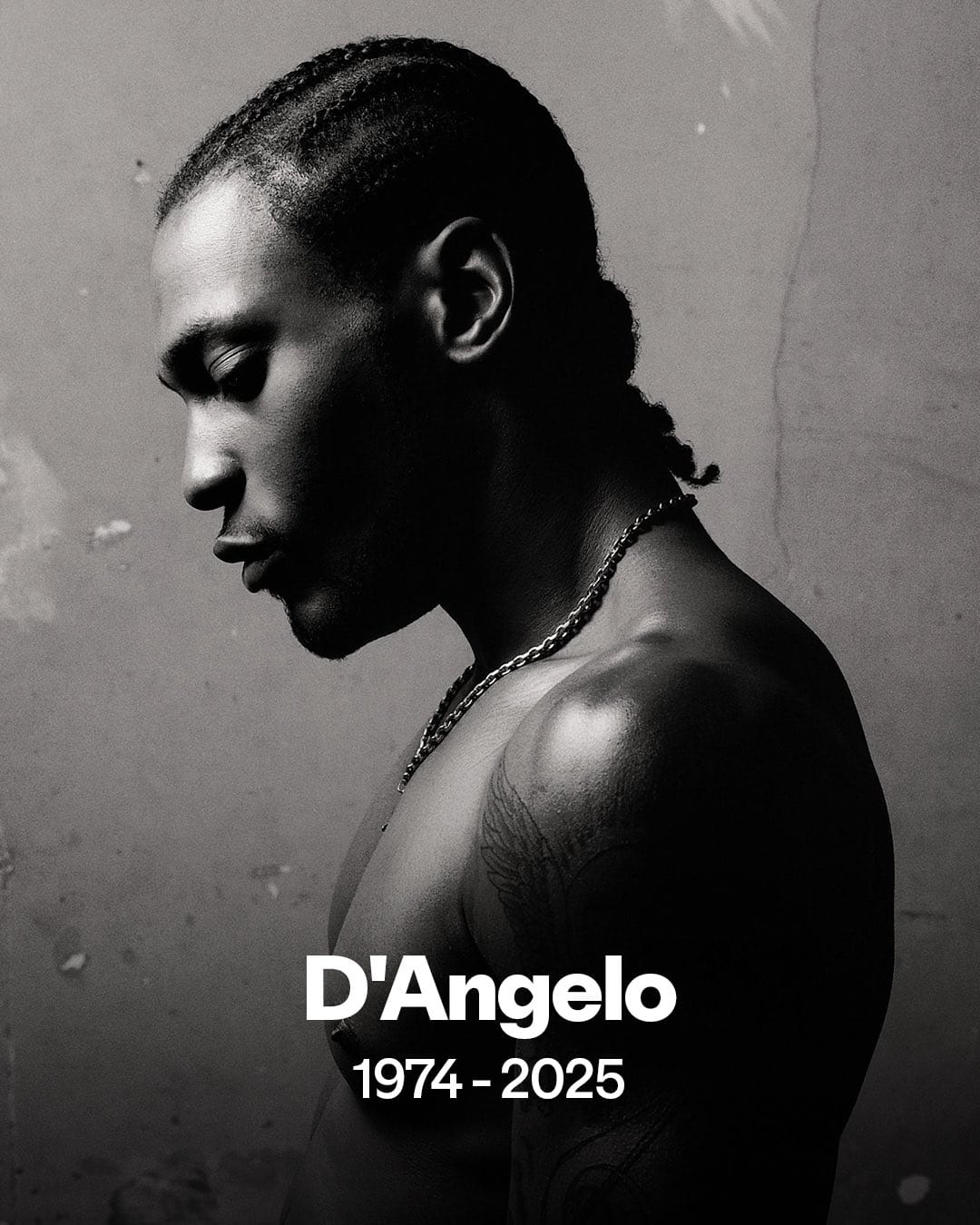
In the wake of the profound loss of neo-soul icon D’Angelo, who passed away at 51 from complications of pancreatic cancer, a poignant and specific form of tribute began to ripple across social media. Beyond sharing his own timeless hits like “Untitled (How Does It Feel)” and “Lady,” fans on X (formerly Twitter) collectively turned to a different, yet deeply connected, artifact of his influence: Kendrick Lamar’s stunning 2014 television performance of “Untitled 03” on The Late Show with Stephen Colbert.
The performance, now being shared with captions like “D’Angelo’s spirit was right here” and “This is Black Messiah’s child,” was never just a promotional spot. It was a seismic event in its own right. Airing during a period of national turmoil following the Ferguson uprising, the stage was not a typical late-night set. It was a dimly lit, jazz-club sanctuary, thick with improvisational energy. Kendrick, more a bandleader than a mere performer, was surrounded by a constellation of genius: the visionary Terrace Martin on keys, the virtuosic Thundercat on bass, the soulful Bilal on backing vocals, and the ethereal Anna Wise. Together, they transformed the track into an eight-minute, free-flowing exploration of identity, struggle, and Black resilience.
The connection fans are now highlighting is not merely aesthetic; it is direct and genealogical. D’Angelo’s album “Black Messiah,” released unexpectedly just days before this performance in December 2014, was a cultural lightning bolt. It was a raw, funk-drenched response to the same societal injustices Kendrick was wrestling with on his then-forthcoming masterpiece, “To Pimp a Butterfly.” The sonic DNA of “Black Messiah”, its live instrumentation, its chaotic harmonies, its unvarnished political rage, is woven directly into the fabric of “TPAB.” Terrace Martin, a key architect of both Kendrick’s album and this specific performance, has often cited D’Angelo’s Vanguard as a primary inspiration for the sonic direction they took.
Therefore, this resurfaced clip is being celebrated as more than just a great performance; it is seen as a vital conduit of legacy. In the interplay between Thundercat’s hypnotic bassline, which echoes the ghost of Pino Palladino’s work with D’Angelo, and Bilal’s soul-wrenching ad-libs, listeners can hear the living, breathing influence of the departed icon. The performance acts as a bridge, connecting the soulful protest of D’Angelo’s “The Charade” to the complex poetics of Kendrick’s “Alright.”
In their grief, fans have instinctively curated a perfect tribute. They are not just mourning D’Angelo’s death, but actively celebrating his enduring and transformative life. By resurfacing this specific moment, they underscore a profound truth: that artistic genius is not solitary, but a river that flows through generations. The legacy of D’Angelo, the neo-soul shaman, lives on vibrantly in the work of those he inspired, forever captured in the fiery, jazz-infused communion of Kendrick Lamar and his band on a late-night stage.
About The Author