In a move that has sparked both applause and consumer lament, South African retail giant Woolworths has quietly phased out its iconic black reusable shopping bags, replacing them with a new white, semi-transparent design. The sudden disappearance of the black totes from checkout counters follows dramatic testimony at the State Capture Commission, where the bags were humorously yet infamously outed as the preferred method for discreetly transporting large sums of cash.
The shift from black to white is a direct and tangible corporate recoil from the stain of state capture, a public relations maneuver as clear as the new bags themselves.
The “Cat” That Unbagged the Scandal
The pivotal moment came last week when former Bosasa executive, Vusimuzi “Cat” Matlala, testified before the Commission. In detailing the logistics of alleged corruption, Matlala described using the opaque, sturdy black Woolworths reusable bags to carry cash. The bags, he suggested, were ideal for the purpose—common enough to be inconspicuous, yet high-quality enough to handle the weight of substantial bundles of banknotes.
What was a serious allegation quickly morphed into a national inside joke. Social media lit up with memes and quips, dubbing the once-chic accessory the “Woolworths money bag” or the “state capture tote.” The bag’s reputation transformed overnight from a symbol of eco-conscious, upmarket shopping to an unofficial prop in South Africa’s most notorious corruption saga.
A Swift and Silent Pivot
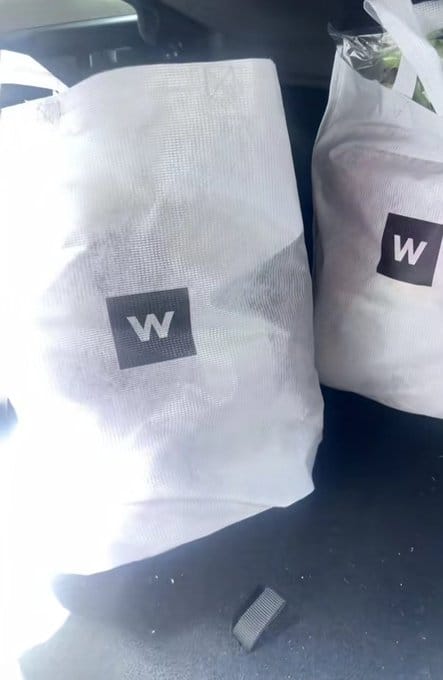
Woolworths, a brand built on a reputation for quality, ethics, and sustainability, moved with remarkable speed. Within days of the testimony, the black bags—a familiar sight for over a decade—vanished from stores nationwide. In their place appeared a new design: a white, semi-transparent bag made from recycled materials, adorned with a simple, minimalist black ‘W’ logo.
The new bag’s transparency is its most symbolic feature, a visual metaphor for the openness and accountability the nation has been demanding. It is a stark, physical declaration from the retailer that it wants no association with the opaque dealings described before the Commission.
Public Reaction: A Mixed Bag
The response from shoppers has been sharply divided. Many have praised Woolworths for its swift and decisive action.
“It’s a powerful statement,” commented one customer in a Cape Town store. “They listened, they acted. The white bag says, ‘We have nothing to hide.’ It’s a small thing, but in the context of everything we’ve heard at the Commission, it feels significant.”
However, a vocal contingent of loyal customers is mourning the loss of the classic black design. Complaints have surfaced about the new bag’s practicality, with many noting that the white material shows dirt and stains far more easily, undermining its reusability. Others lament the loss of a beloved, durable design that had become a wardrobe staple and a subtle status symbol.
“First they take our reliable plastic bags for the environment, which was fine, we adapted. Now they take the perfect reusable bag because of some criminals?” vented another shopper online. “The black bag was classic, went with everything, and didn’t look dirty after one use. This feels like a punishment for the customers, not the guilty.”
Corporate Silence Speaks Volumes
Woolworths has maintained a firm “no comment” on the specific reason for the change, a silence that in itself is deafening. The company’s official sustainability communications continue to focus on the bag’s recycled composition and environmental benefits, carefully sidestepping the scandal that precipitated its arrival.
Marketing analysts suggest the move is a masterclass in reactive brand management. By acting quickly and letting the product itself communicate the message, Woolworths has effectively distanced itself from the negative association without engaging in a messy public debate. The white bag is now a walking billboard for corporate integrity—whether shoppers find it practical or not.
The saga of the Woolworths bag is a uniquely South African tale: a story where high fashion, environmentalism, and deep-seated political corruption have collided at the checkout counter. It proves that in today’s world, even the most mundane consumer item can become a potent symbol, and that brands must navigate not just markets, but the complex court of public opinion.
About The Author