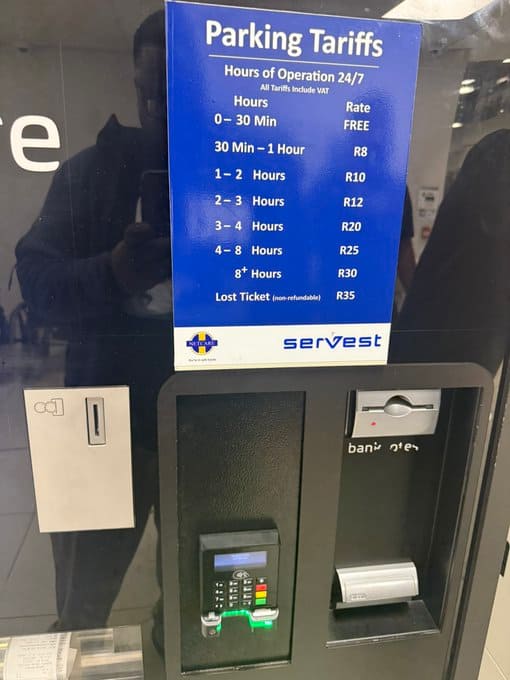
A photograph of a parking tariff board at a major South African private hospital has ignited a heated debate over the often-overlooked costs associated with accessing healthcare. The image, taken at a facility managed by services company Servest, itemizes fees that have left many patients and visitors reeling, adding financial insult to the emotional and physical injury of a hospital visit.
The posted rates, which circulate widely on social media, reveal a steep climb: R8 for stays between 30 minutes and an hour, escalating quickly to R30 for eight hours or more. For those visiting ailing family members over multiple days, the cost can compound into a significant secondary bill.
“Visiting Sick is Now a Luxury”: Public Outcry Over “Greed”
The reaction from the public was swift and visceral, with many expressing a sense of betrayal.
“This is pure greed,” wrote one social media user. “My mother is in for a week-long stay after surgery. On top of the medical aid co-payments and buying her necessities, I now have to budget hundreds of rands just to park my car to be by her side. Visiting the sick is becoming a luxury.”
The sentiment was echoed widely, with many arguing that the fees are exploitative, capitalizing on a captive and vulnerable audience who have no alternative but to pay. The situation has also birthed a wave of dark humor, with users joking about “sprint training” to make visits under 30 minutes, becoming “ultra-efficient” in their condolences, or even considering ride-sharing apps to avoid the parking lot entirely.
“Guess I’ll be telling Gran I love her at a sprint,” quipped one comment, highlighting the absurd pressure the fees create.
The Other Side: Security, Maintenance, and Validation Policies
Amid the outrage, a contingent of defenders offered a pragmatic counterpoint. They argued that secure, well-maintained hospital parking is not free to provide.
“These fees pay for 24/7 security patrols, CCTV, proper lighting, barrier systems, and general upkeep,” noted one respondent, often identifying themselves as working in facilities management. “A hospital parking lot is a high-risk area. That security isn’t optional, and it costs money.”
Furthermore, defenders pointed out a critical nuance often missed in the initial anger: validation policies. Most private hospitals offer parking validations—either discounted or free—for visitors of admitted patients. The process typically involves getting a ticket stamped at the ward or main reception.
“The R8-10 for a short visit likely applies more to outpatients, specialists, or people popping into the pharmacy,” argued another. “If your family member is admitted, you can usually get your ticket validated. The outrage is real, but it’s sometimes based on not using the system in place.”
A Symptom of a Larger Crisis
Beyond the debate over the fees’ justification, analysts see the controversy as a stark symptom of South Africa’s deepening healthcare affordability crisis. With a strained public health system, millions rely on private care, where costs—from specialists and co-payments to medicines and now even parking—are increasingly burdensome.
“The parking fee debate is a tangible, relatable symbol of the financial toxicity of illness,” said a healthcare economist. “It’s a small, final straw that breaks the camel’s back for families already navigating complex and expensive medical bills. It makes the entire private healthcare ecosystem feel extractive.”
The photograph of the tariff board, therefore, serves as more than just a receipt for parking; it is a receipt for the high cost of care, a flashpoint for public anxiety, and a reminder that the journey to a hospital bed is paved with more than just good intentions.
About The Author