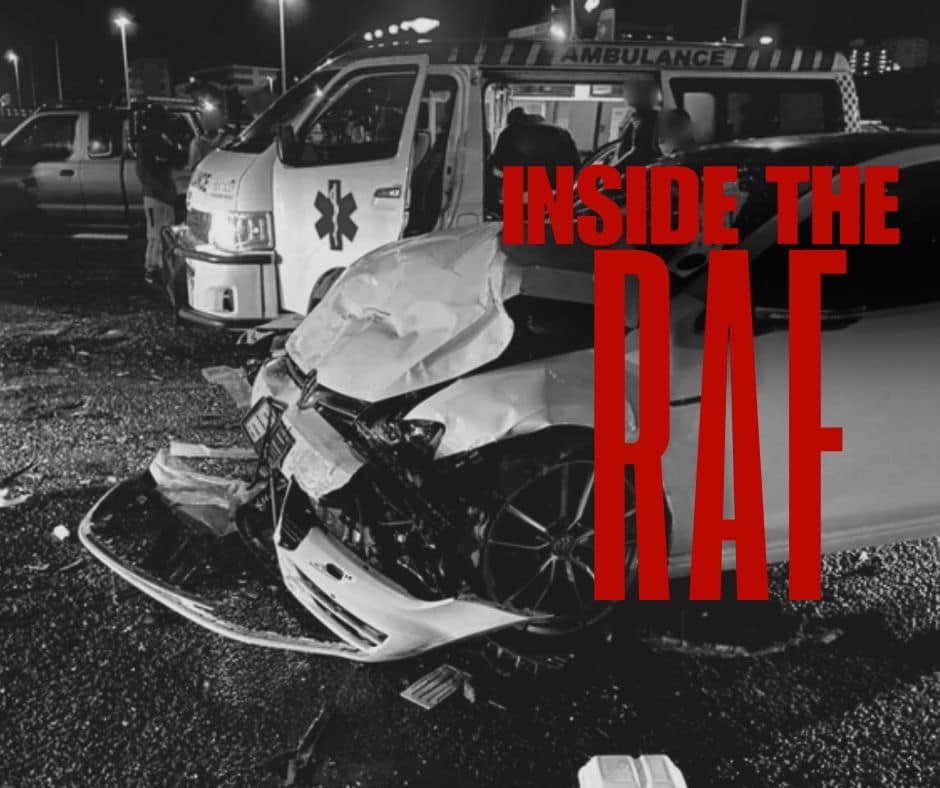
Sipho Mdluli’s life was irrevocably changed in an instant. A drunk driver smashed into his taxi in 2021, shattering his leg and, with it, his ability to provide for his family. Three years later, the financial compensation meant to be his lifeline from the Road Accident Fund (RAF) remains a phantom promise, leaving him surviving on loans from relatives.
“My case was approved, they tell me, but the money never comes,” Mdluli shares, his voice a mixture of resignation and despair. “Now I survive by borrowing from my extended family.”
His story is not an anomaly; it is the agonizing norm. The RAF, a critical social safety net designed to protect every South African driver, passenger, and pedestrian from financial ruin after a road crash, is itself on the brink of collapse, leaving a trail of human wreckage in its wake.
A Financial Black Hole
The numbers are staggering and speak to a system in profound crisis. The RAF’s liabilities have ballooned to an astronomical R518 billion, dwarfing its meager R33 billion in assets. This means the fund officially owes 15 times more than it owns. The Auditor-General has repeatedly sounded the alarm, warning that the RAF’s finances are not reliable and raising “material uncertainty” about its ability to continue operating.
The root of this financial implosion is multi-layered. The fund is primarily financed by a fuel levy, which has been frozen at R2.18 per litre since 2019, even as medical and legal costs have skyrocketed. But the problem runs deeper than just income.
“People Stranded Between Injury and Dignity”
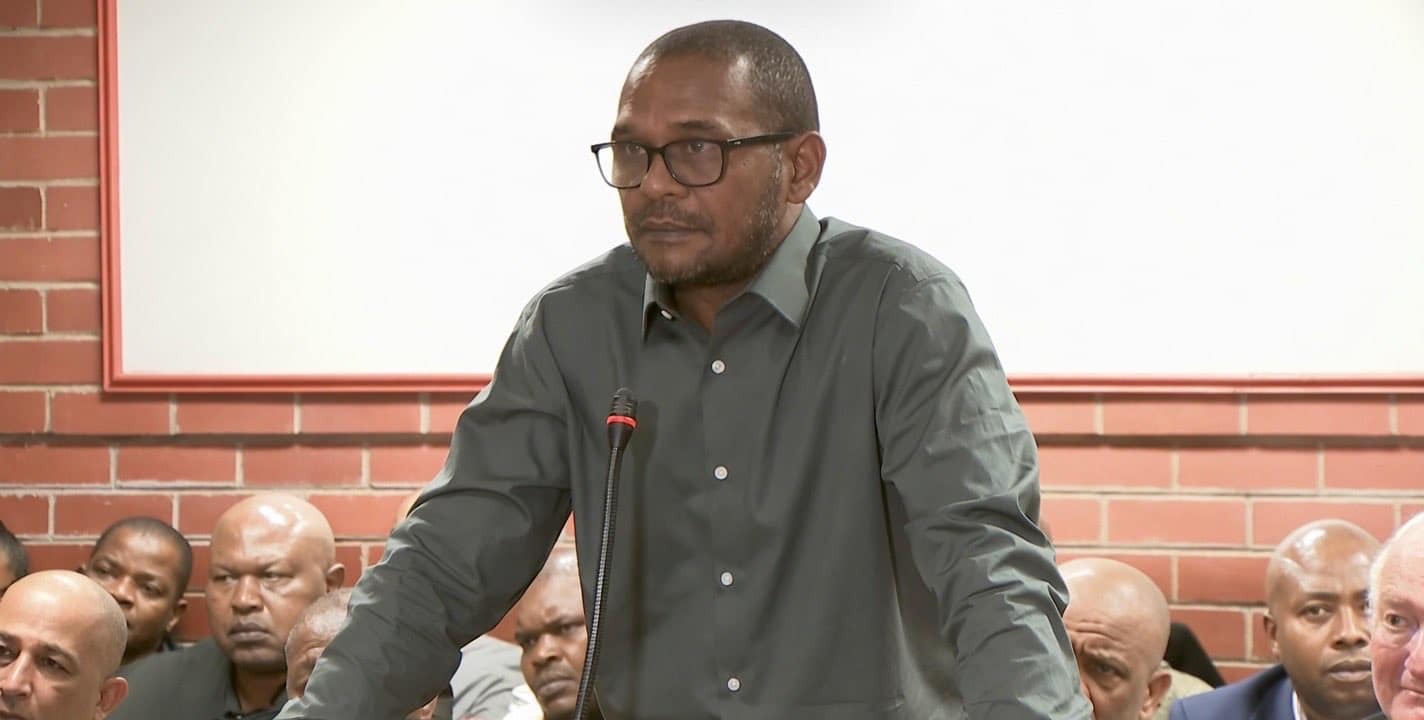
Songezo Zibi, Chairperson of Parliament’s Standing Committee on Public Accounts (SCOPA), which is currently investigating the RAF, frames the crisis in starkly human terms.
“A broken RAF means it’s going to be very difficult for a lot of people,” Zibi states. “Right now, there are people who need wheelchairs but don’t have them. Someone needs a caregiver right now and can’t afford one. The RAF was created to make those things possible.”
He describes victims as being “stranded between injury and dignity,” unable to access the critical services—from medical transport to therapy—that their compensation was meant to cover.
A Flawed Model: The Problem with Payouts
Zibi argues that the very law governing the RAF is fundamentally broken. The current system mandates large, upfront lump-sum payments to victims, a practice he calls unsustainable.
“The regulations say that for victims’ expenses, the RAF must pay everything upfront. That’s not necessary,” he explains. “Why can’t it be budgeted on an annual basis? You don’t need to get all your money at once.”
He proposes a shift to structured, annual payments or a voucher system for medical services to ensure long-term care for victims and better cash-flow management for the fund. Simply raising the fuel levy, he insists, is not the answer. Instead, he suggests a new model where third-party insurance is built directly into vehicle licensing fees, creating a more stable and dedicated pool of funds.
“Nobody Knows How Deep This Hole Is”
The financial abyss may be even deeper than feared. ActionSA MP Alan Beesley revealed that during SCOPA’s inquiry, the Auditor-General confirmed that the total of the RAF’s unrecorded liabilities cannot even be estimated.
“In essence, nobody knows how deep this hole is,” Beesley warned, suggesting unrecorded debts could exceed R500 billion—nearly a fifth of the national budget. He labelled it one of the most serious financial failures of a state entity in democratic South Africa and called for charges against the former RAF board.
The committee is also seeking answers from former RAF CEO Collins Letsoalo, amid whistle-blower allegations of extravagant spending on his personal security, including a R4 million armoured BMW and hotel stays for bodyguards, while the fund teetered on the edge of insolvency.
A Call for Systemic Overhaul
Gavin Kelly, CEO of the Road Freight Association, argues the RAF has lost its way. He points out that funds intended for victims are often “sidelined into other pockets” through legal battles. His proposal is radical but simple: hand the claims process back to private short-term insurers, who have the capacity to manage it efficiently, using the fuel levy as a central pot for payouts.
Amidst the criticism, the RAF has recently publicized record payouts, including a R694 million one-day disbursement, claiming a turnaround is underway. But for thousands like Sipho Mdluli, these announcements are just headlines that don’t translate to changed lives.
“The RAF is supposed to protect us,” Mdluli says. “Now it’s just another government department that doesn’t pay.”
As SCOPA’s inquiry continues, the challenge is clear: diagnosis is no longer enough. South Africa must now find the political will to dismantle a broken system and rebuild a fund that can finally restore dignity to its people.
About The Author