A newly formed coalition of Christian organisations, ministries, and congregants under the banner “South African Church Defenders” has launched a vigorous campaign against proposed regulatory measures by the Commission for the Promotion and Protection of the Rights of Cultural, Religious and Linguistic Communities (CRL Rights Commission). The group has declared the Commission’s recommendations—which include mandatory licensing of pastors and state oversight of church governance—as “unconstitutional, un-Biblical, and a direct threat to religious freedom in South Africa.”
The controversy stems from the CRL Rights Commission’s ongoing efforts to address widespread concerns over malpractice within some religious sectors, including allegations of financial exploitation, “miracle” fraud, and abusive leadership. In its draft proposals, the Commission has suggested a formal regulatory framework that would require churches to comply with state-defined operational standards and would mandate that religious leaders obtain state-issued licenses to preach.
In a strongly worded statement, the South African Church Defenders condemned the move as governmental overreach. “The church is ordained by God, not by the state. While we acknowledge and condemn all genuine abuses within religious circles, the answer is not to hand over the keys of the church to government officials,” said the coalition’s spokesperson, Apostle David Nkosi. “This proposal effectively makes the state the head of the church, deciding who can preach and how worship should be conducted. This is a violation of Section 15 of our Constitution, which guarantees freedom of religion.”
The group argues that the proposed regulations impose secular, bureaucratic standards on spiritual institutions, are influenced by foreign models of regulation unsuited to the South African context, and could be used to target or silence churches critical of the government. They also raised practical concerns, questioning which state department would be empowered to assess the theological competency of thousands of diverse pastors across the nation’s broad spectrum of Christian denominations.
“Will a government official in Pretoria decide whether a Pentecostal preacher in Khayelitsha or a Dutch Reformed minister in Stellenbosch is ‘qualified’?” asked Reverend Thandeka Mbele, a coalition member. “This is a recipe for discrimination, corruption, and the politicisation of faith.”
The CRL Rights Commission has previously defended its initiative, stating that regulation is necessary to protect vulnerable congregants from “commercialization and corruption” within a sector that currently operates with little accountability. “We have a duty to protect the public from abuse while respecting religious rights. This is about accountability, not control,” a Commission representative stated earlier this year.
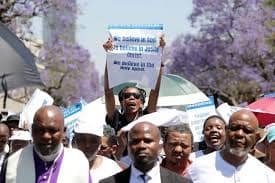
Undeterred, the South African Church Defenders are now issuing a national call to action. They are urging every church, denomination, and believer to oppose the CRL’s process through written submissions, peaceful mobilization, and legal recourse. The coalition has announced plans for nationwide prayer gatherings and is consulting with constitutional lawyers to prepare a potential legal challenge should the proposals move forward.
“This is a line we cannot allow to be crossed,” Apostle Nkosi stated. “We call on all South Africans who value spiritual autonomy to stand with us. We will defend the freedom to preach the Gospel without a state permit.”
The growing conflict sets the stage for a significant national debate, pitting the need for public protection against the principle of religious autonomy, with the outcome likely to shape the relationship between church and state in South Africa for generations to come.
About The Author