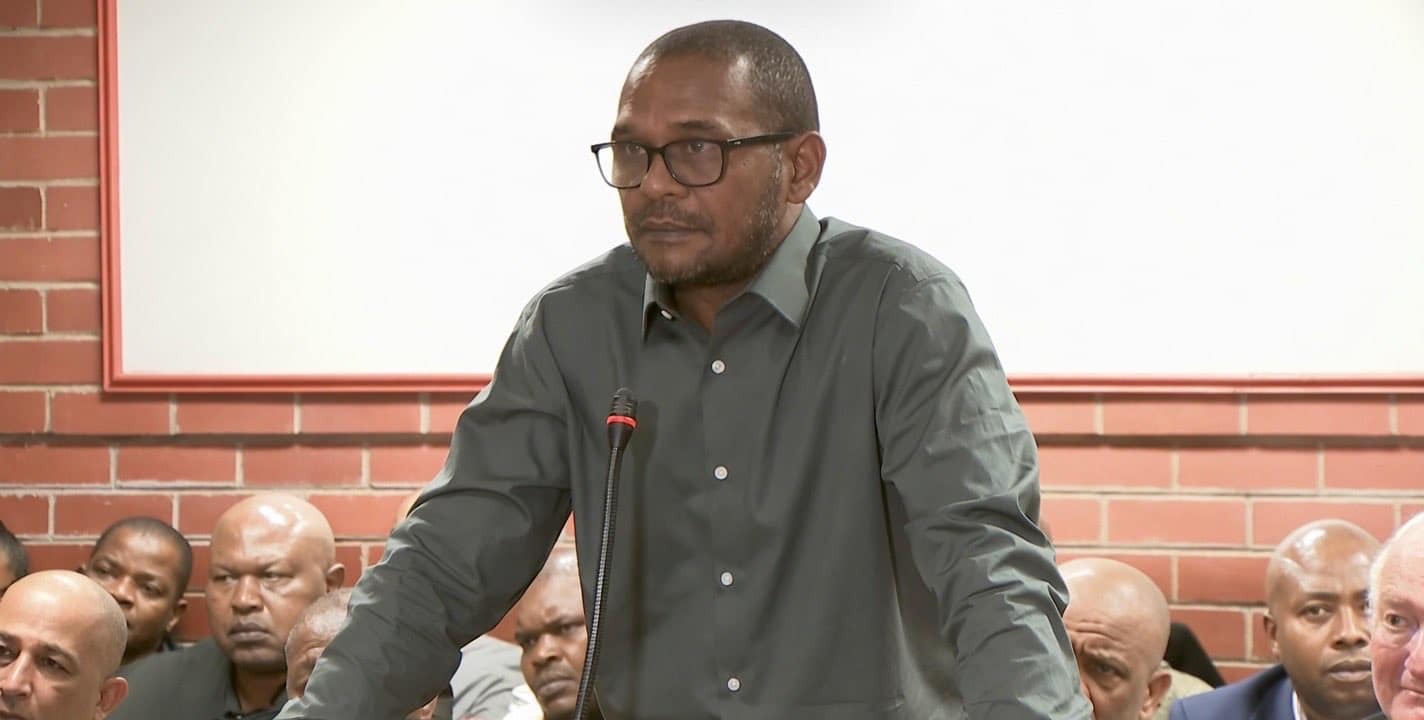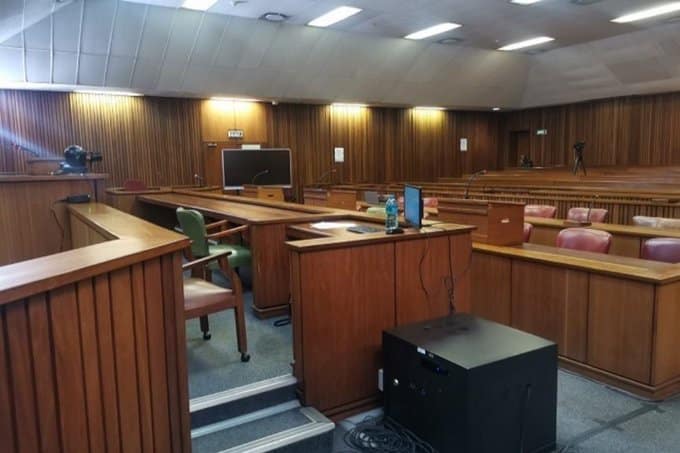
A parliamentary committee meeting erupted into political sparring on Tuesday after South African Police Service (SAPS) Chief Financial Officer, Lieutenant General Puleng Dimpane, disclosed that the police force spent a staggering R368 million to manage the Economic Freedom Fighters’ (EFF) national shutdown—a one-day protest in March 2023. The revelation provided a rare and costly glimpse into the financial burden of policing major political demonstrations in South Africa.
The figure was presented to Parliament’s Ad Hoc Committee as part of Lt. Gen. Dimpane’s testimony on SAPS operational expenditures. In a striking comparison offered to contextualize the spending, she noted that the devastating July 2021 civil unrest, which unfolded over several days and resulted in over 350 deaths, widespread looting, and the destruction of billions of rands in property, cost the police service R945 million.
A Heated Exchange: Cost vs. Nature of the Event
The R368 million price tag immediately became a lightning rod for controversy. EFF leader Julius Malema, seizing on the comparative data, challenged Lt. Gen. Dimpane directly on the justification for the expenditure. He argued that the shutdown was largely peaceful and did not warrant a deployment of such a massive—and costly—scale.
“How does a peaceful, one-day protest, where our supporters marched discipline, cost the state just over a third of what was spent on the July unrest?” Malema questioned, suggesting the spending was driven more by political motive than operational necessity. “This was not an insurrection; it was a demonstration. This cost reflects not a response to violence, but the cost of the ANC’s fear of the EFF.”
Echoing and amplifying this sentiment, EFF spokesperson Sinawo Thambo launched a sharper attack, accusing the ruling African National Congress (ANC) of “wasteful spending driven by prejudice and fear-mongering.”
“This exorbitant amount is a testament to the ANC government’s propensity to use state resources to fight its political battles,” Thambo stated. “They deployed police not to keep the peace, but to intimidate and suppress a legitimate political expression. The R368 million is not a police cost; it is an ANC campaign cost charged to the taxpayer.”
Breaking Down the Rand: Where did the R368 Million Go?
While a full, itemized breakdown was not provided in the open session, security analysts suggest the colossal sum would have been allocated to several key areas:
- Mass Mobilisation: The cost of activating and deploying tens of thousands of police officers, including those from specialised units, across all nine provinces.
- Logistical Overdrive: Expenses for vehicle fleets, helicopters for aerial surveillance, and other equipment required to monitor major routes and potential hotspots.
- Overtime Pay: A significant portion likely went to compensating officers for long, unpredictable hours worked in a high-alert status.
- Intelligence and Coordination: Resources dedicated to pre-emptive intelligence gathering and running the national joint operational command centre.
The Bigger Picture: The Cost of Political Stability
The disclosure has ignited a broader debate about the true cost of maintaining public order during politically charged events. For the SAPS, the expenditure was a necessary insurance policy against the potential for the shutdown to descend into the kind of chaos witnessed in July 2021. The police leadership has consistently argued that the high visibility and overwhelming force deployed were precisely what prevented widespread violence and looting.
However, for the EFF and its supporters, the figure is a potent political tool. It serves as concrete evidence to support their long-held claim that the state mobilises disproportionately against them, framing the expenditure as an act of political suppression rather than prudent policing.
As the committee continues its work, the R368 million spent on a single day will continue to be a point of fierce contention, representing not just a line in a budget, but the deeply contested space where public safety, political expression, and state resources collide.
About The Author