South Africa’s automotive landscape, defined by rugged terrain and demanding buyers, has long had an undisputed monarch: the Toyota Hilux. As the calendar turns to 2026, Toyota is preparing a major moment for the nation—the arrival of the next-generation, ninth iteration of its legendary bakkie. This isn’t just a new model launch; it’s the strategic evolution of a national icon, a vehicle woven into the fabric of South African commerce, adventure, and culture.
The global curtain was first lifted on the new Hilux in Thailand in late 2025, offering an early glimpse into Toyota’s blueprint for the next decade. True to the model’s reputation for relentless reliability, the approach is one of calculated evolution over revolution. Toyota has refined a winning formula, ensuring the Hilux remains the benchmark in a ferociously competitive segment.
A Sharper Suit of Armor: Design and Tech
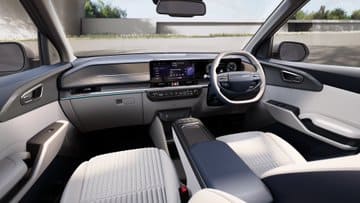
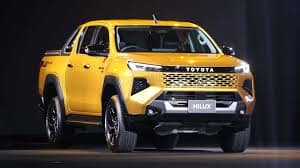
Visually, the new Hilux sheds some of its utilitarian bluntness for a sharper, more assertive, and digitally integrated presence. The front end is expected to feature Toyota’s latest design language, with sleeker LED lighting and a more prominent grille, bringing it in line with the modern aesthetic of its SUV siblings. The real leap forward, however, happens inside the cabin. Toyota has decisively addressed a common critique by outfitting the interior with modern digital instrument clusters, larger touchscreen infotainment systems, and a host of connectivity features. This transformation moves the Hilux from a purely workhorse environment into a tech-friendly space that rivals premium SUVs, catering to the growing demand for sophistication in dual-purpose vehicles.
The Heart of the Matter: Powertrain and Capability
While full South African specifications remain under wraps, the international model reveals a continued focus on refined powertrains. The venerable GD diesel engines are expected to carry over with enhancements for improved efficiency and reduced emissions, a critical factor in the modern market. The chassis and suspension will likely see further tuning to strike that hallowed balance between load-carrying robustness and on-road comfort—a Hilux hallmark. The incorporation of more advanced driver-assistance systems (ADAS) is also anticipated, elevating safety standards across the range.
Built Here, For Here: The Local Production Promise
A key pillar of the Hilux’s success in South Africa has been its local manufacturing at Toyota’s prosperous Durban plant in Prospecton. While Toyota South Africa Motors has yet to confirm an official launch date, industry analysts consider local assembly a near certainty. This not only supports the national economy and jobs but also ensures the vehicle is tailored to the specific demands of African conditions, from dust filtration to cooling systems. The “South African-built” badge remains a powerful mark of trust and relevance for loyal customers.
The 2026 Battleground
The new Hilux will arrive into a market more contested than ever. It must defend its throne against formidable rivals like the Ford Ranger, Isuzu D-Max, and the upcoming next-generation Nissan NP300, all offering compelling technology and capability. Yet, the Hilux enters this fray with an unassailable asset: a decades-deep reservoir of trust built on a reputation for indestructibility. For many South Africans, the choice is not just about specs on a page; it’s about a legacy of vehicles that have powered farms, built businesses, and traversed continents.
The arrival of the ninth-generation Hilux in 2026 is therefore more than a product launch. It is the reaffirmation of a partnership between a brand and a nation. By choosing steady, meaningful improvement over radical change, Toyota signals its understanding of what makes the Hilux a perennial champion: unwavering respect for its core duty, now wrapped in a more modern and connected package. The kingdom is ready for its renewed sovereign.
About The Author