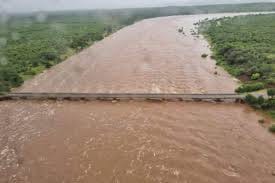
The iconic landscapes of the Kruger National Park have been transformed by nature’s raw power, as an unrelenting atmospheric system dumped up to 300 millimetres of rain over 72 hours across Limpopo and Mpumalanga. The resulting deluge has turned serene rivers into raging torrents, swallowing roads, cutting off access, and effectively isolating parts of the world-renowned reserve, leaving a number of visitors stranded in camps and rest camps.
South African National Parks (SANParks) has been forced to take drastic action, closing multiple critical gates and roads. The Crocodile Bridge Gate in the south is inaccessible, with the approach road completely submerged. Internally, major arterial routes like the H10 between Lower Sabie and Skukuza, and the S21, are underwater, creating islands of habitation within the park. The rising Crocodile and Sabie Rivers have broken their banks in several places, with water levels not seen in over a decade.
Proactive Moves and Current Strandings
In a move credited with preventing a worse crisis, SANParks proactively evacuated guests from the most vulnerable northern camps, such as Sirheni and Bateleur, earlier last week as forecasts worsened. These visitors were relocated to safer, higher-ground camps like Skukuza and Letaba.
However, the speed and intensity of the downpour have now stranded a number of visitors who were in central and southern camps when the roads were washed out. SANParks has confirmed that all stranded guests are safe, accounted for, and being accommodated with necessary supplies. “No injuries have been reported within the park,” a spokesperson emphasized, praising the compliance of guests and the swift work of staff. “We urge everyone to strictly follow closure signs and instructions from rangers. Do not attempt to cross any low-water bridge or flooded road.”
Wildlife’s Instinctual Exodus
Amidst the human logistical challenges, the park’s wildlife has demonstrated a timeless instinct for survival. Rangers report that animals have calmly moved to higher ground, with elephants, buffalo, and antelope observed on ridges and knolls well above the floodplain. “The animals know exactly what to do; they handle these natural events far better than we do,” said a veteran section ranger. “The cycle of flood and drought is part of this ecosystem’s rhythm. We are more concerned with the safety of our guests and infrastructure.”
This observation has sparked a wave of sympathy and awe online, with social media users expressing admiration for the resilience of the wildlife, with many noting the irony of humans needing to be rescued from the animals’ home during a natural event.
A Waiting Game Amidst a Soaked Landscape
The immediate focus is on safety and monitoring. Engineering teams are on standby to assess road damage the moment waters recede, but with more rain forecast, it is a waiting game. The closure is a significant blow to tourism during a peak season, but SANParks’ priority remains unambiguous.
“The integrity of life—human and animal—is paramount,” the statement concluded. “The Kruger has endured floods for millennia. It will recover, and its roads will reopen. For now, we ask for patience and understanding as we manage this force majeure event.” For the stranded visitors, their safari has become an unexpected lesson in humility before nature’s might, watching from their verandas as the park they came to observe undergoes a dramatic and profound transformation.
About The Author