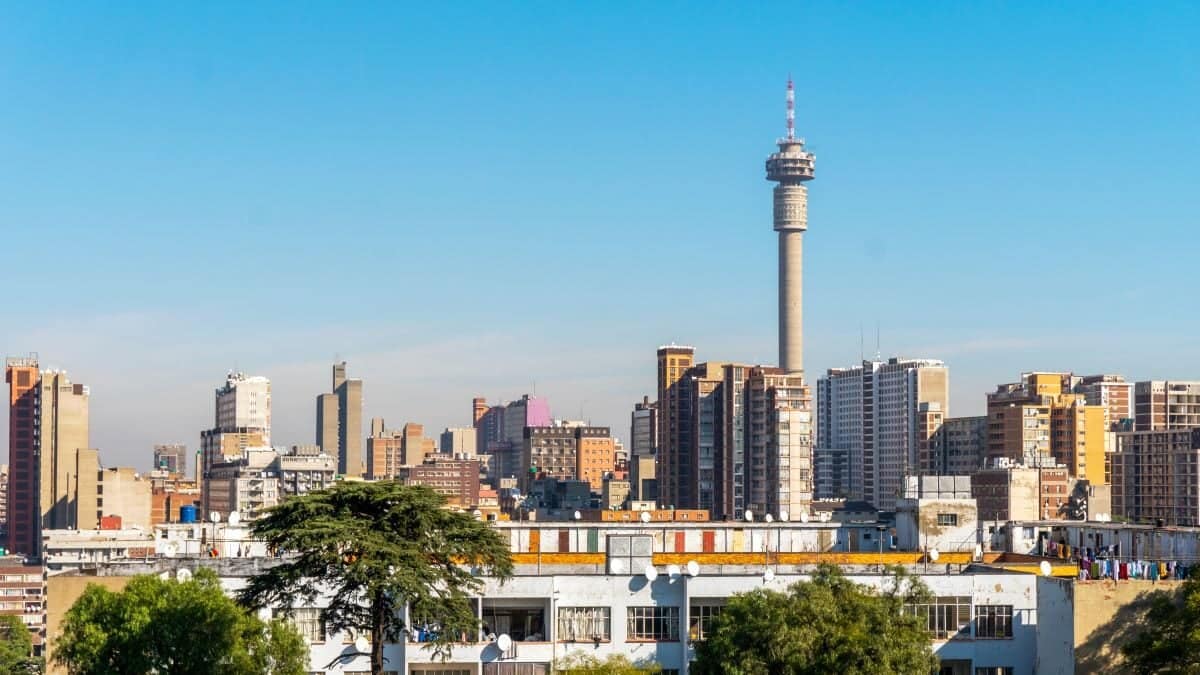
Despite persistent domestic challenges, South Africa has retained its status as one of Africa’s premier investment destinations, ranking alongside Egypt and Morocco in the latest authoritative *Where to Invest in Africa 2025/26* report by Rand Merchant Bank (RMB). The findings, launched in partnership with the Gordon Institute of Business Science (GIBS), paint a picture of a continent in transition, where investor confidence is increasingly tied to pragmatic reforms and strategic positioning within global supply chains, rather than past reputations.
Cautious Optimism for South Africa: Reforms Outweighing Risks
The report acknowledges the significant headwinds that have long constrained South Africa’s economic potential, primarily citing chronically low levels of fixed investment. However, this is counterbalanced by a growing sense of cautious optimism among international investors. Two key policy shifts are credited for this renewed confidence:
- The Energy Recovery: Visible and sustained progress in alleviating the country’s debilitating load-shedding crisis through the ongoing energy reform agenda is seen as a critical de-risking factor for industry and commerce.
- Port and Logistics Reforms: Active efforts to untangle the inefficiencies at the country’s major ports, particularly Durban, are signaling a government serious about removing blockages to trade and export.
A further significant boost highlighted in the report is South Africa’s recent exit from the global financial crime watchdog’s “grey list.” This move is projected to save investors a substantial R20-billion annually in reduced compliance costs, making the country a more attractive and streamlined environment for foreign capital.
A Continental Chessboard: Risers, Fallers, and Bold Reformers
The continental ranking reveals a dynamic and shifting landscape:
- The Ascent of Côte d’Ivoire: The West African nation is singled out for its “bold reforms” and consistent economic growth, positioning it as a rising star and a magnet for investment focused on regional markets.
- Nigeria’s Currency-Driven Decline: Africa’s largest economy, Nigeria, has seen its investment appeal hampered by severe currency volatility and foreign exchange complexities. Its decline in the rankings underscores the critical importance of macroeconomic stability for attracting foreign direct investment (FDI).
Thematic Shift: “From Aid to Trade”
The overarching theme of this year’s RMB report, “From Aid to Trade,” captures a fundamental pivot in Africa’s economic narrative. The continent is increasingly moving away from a dependency on development aid and toward a model built on self-reliance and commercial partnership. This is being driven by:
- The African Continental Free Trade Area (AfCFTA): The active push for greater intra-African trade is creating larger, more integrated markets that are attractive to investors seeking regional scale.
- Global Realignments: As global supply chains diversify away from traditional hubs, Africa is positioning itself as a new frontier of opportunity, rich in critical minerals, a young population, and untapped consumer markets.
For South Africa, maintaining its top-tier status will require not just resting on these recent improvements but accelerating them. The report suggests that the country’s future as an investment hub depends on its ability to leverage its sophisticated financial and legal infrastructure to become the gateway for international capital seeking exposure to the broader “Aid to Trade” transformation sweeping the continent. The message is clear: the race is on, and past glory is no guarantee of future success.
About The Author