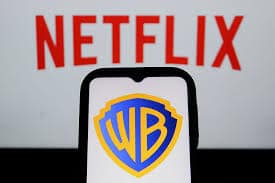
In a seismic, industry-altering move, streaming behemoth Netflix has emerged victorious from a fierce, multi-party bidding war, securing an agreement to acquire the core entertainment assets of Warner Bros. Discovery (WBD). The landmark cash-and-stock deal, valued at approximately $82.7 billion, positions Netflix to command an unprecedented share of the global streaming market by merging its powerhouse platform and acclaimed originals with WBD’s iconic film studio, legendary intellectual property library, and the premium HBO Max streaming service.
The agreement, announced late Monday, concludes months of intense negotiations and a bidding race that reportedly involved major players including Paramount, Skydance and Comcast. For Warner Bros. Discovery, the deal represents a strategic exit from the debilitating debt load that has hamstrung the company since its formation, providing a critical injection of liquidity. For Netflix, it is a transformative leap, acquiring not just a competitor but a century’s worth of cinematic history and prestige television.
“This is a defining moment for the future of entertainment,” stated Netflix Co-CEO Ted Sarandos. “By bringing together the creative engines of Netflix and Warner Bros., along with the unparalleled legacy of HBO, we are creating a destination for storytellers and a paradise for viewers unlike anything that has ever existed. This combination allows us to dramatically accelerate our ambitions in film, series, and fandom.”
The New Content Colossus
The merger creates a media titan with an unparalleled content arsenal. Netflix will integrate Warner Bros.’ legendary film library—including franchises like Harry Potter, DC Universe, The Lord of the Rings, and the Wizarding World—with HBO’s award-winning prestige slate (Game of Thrones, The White Lotus, Succession) and its own global hits like Stranger Things and The Crown. The combined entity will also control vast animation assets (Warner Bros. Animation, Cartoon Network) and a formidable global production and distribution infrastructure.
Analysts are heralding the deal as the ultimate consolidation play in the streaming wars. “This isn’t just a merger; it’s the creation of a super-platform,” said media analyst Martha Evans of Ampere Analysis. “Netflix instantly solves its ‘library depth’ challenge and gains permanent, owned access to franchises that drive sustained subscriber engagement and merchandising revenue. For the industry, it signals the end of the mid-tier streaming model and forces everyone else to reconsider their scale and strategy.”
Regulatory Hurdles and Industry Shockwaves
The acquisition is expected to face intense scrutiny from regulators in the United States, the European Union, and other key markets on antitrust grounds, given the combined entity’s potential market dominance in content licensing, production, and distribution. However, the complex cash-and-stock structure and the dire financial pressures on WBD may work in favour of approval, with arguments likely centred on providing stability for a distressed competitor.
The shockwaves are already being felt across Hollywood. The deal raises immediate questions about the future of the DC Universe film slate, the fate of the Max streaming platform (likely to be absorbed into Netflix), and the potential for mass consolidation among remaining players like Paramount and Comcast’s NBCUniversal. It also fundamentally alters the balance of power with traditional theatrical exhibition, as Netflix gains control of a major Hollywood studio with deep cinema relationships.
If approved, the Netflix-Warner Bros. merger will mark the single largest media consolidation in the digital age, cementing the dominance of a direct-to-consumer model and creating a content Goliath poised to define global pop culture for a generation.
About The Author