For years, it was the great equalizer in South African football—not in terms of fairness, but in terms of shared agony. A dubious offside call in Soweto. A phantom penalty in Cape Town. A clear red card missed in Durban. From the plush seats of the boardroom to the cacophony of the stands, the cry was always the same: “When will we get VAR?” On Friday, that question was finally answered with a receipt.
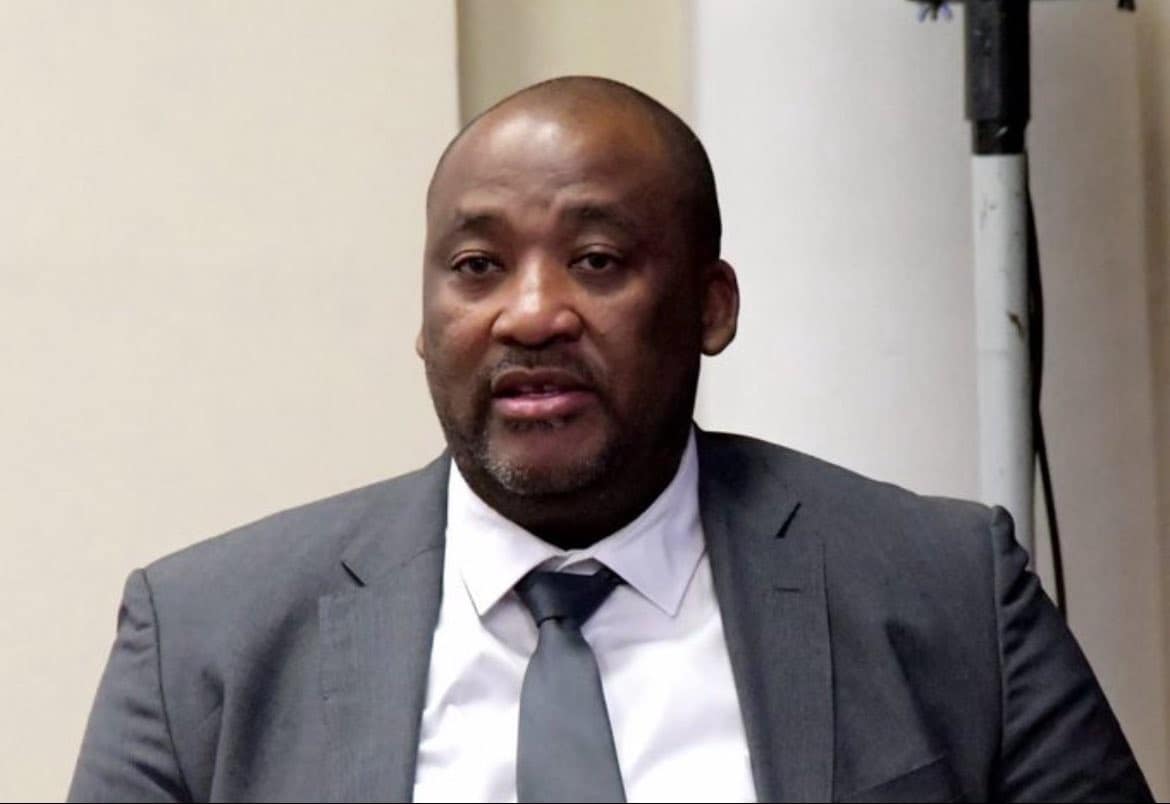
In a characteristically bullish and celebratory press conference, Sports, Arts and Culture Minister Gayton McKenzie announced that the Video Assistant Referee system is officially coming to the Premier Soccer League. Flanked by officials from his department, McKenzie held up a document like a trophy—proof of payment from the National Treasury to the South African Football Association (SAFA)—confirming that the funds have been transferred and the ball is now rolling.
“We made a promise. We said we would bring VAR to the PSL, and today, I stand here to tell you that we have kept our word,” McKenzie declared, his voice filled with the swagger of a man delivering on a campaign pledge. “People can say what they want about this government, but they cannot say we do not listen. The fans cried out for fairness, for the end of referee mistakes that cost teams titles and relegation. We heard you.”
The announcement marks the end of a long and frustrating wait for South African football enthusiasts. While major leagues across Europe, Asia, and the Americas have utilized VAR technology for years, the PSL has remained a stubborn holdout, hampered by the significant cost of the infrastructure and the training required to implement it effectively. Estimates for rolling out the system across the league’s 16 stadiums have run into the tens of millions of rands, a price tag that had previously seemed insurmountable.
According to McKenzie, the funding hurdle has now been cleared. The confirmed payment to SAFA will initiate the first phase of the project, which includes the procurement of broadcast-quality camera systems, the installation of control rooms, and the intensive training of match officials who will operate the technology.
The Minister confirmed that the system will be fully operational for the start of the 2026/27 season. While this means fans will have to endure one more season of relying solely on the naked eye of the referee, the guarantee of a VAR-powered future has been met with widespread relief.
“This is a game-changer,” said former Orlando Pirates and Bafana Bafana star Marks Maponyane, who has been a vocal advocate for the technology. “South African football has matured to a point where we can no longer afford to have the integrity of the game compromised by human error. It’s not about blaming referees; they have the hardest job on the pitch. It’s about giving them the tools to get it right. The Minister has done well to push this over the line.”
The announcement is a significant political victory for McKenzie, who has made transforming the country’s sporting infrastructure a cornerstone of his tenure. Since taking office, he has promised to address the grievances of athletes and fans alike, and the arrival of VAR is a tangible deliverable he can point to.
However, the path to implementation is not without its hurdles. SAFA will now be under immense pressure to ensure the rollout is seamless. Questions remain about whether the technology will be deployed for all matches or only those broadcast live, and how the system will be standardized across stadiums with vastly different broadcasting capabilities.
Furthermore, the introduction of VAR in leagues around the world has not been without controversy. Debates over the interpretation of “clear and obvious errors” and the time taken for reviews have plagued even the most advanced implementations. South African fans, known for their passionate and often impatient support, will have to adjust to the new rhythm of a game that can be paused for minutes at a time.
Despite these challenges, the prevailing mood on Friday was one of celebration. In the streets of Soweto and the taverns of the Mother City, the news was greeted with cheers. For the supporters of clubs like Kaizer Chiefs, who have famously bemoaned crucial refereeing decisions that have cost them titles, the arrival of VAR represents a new era of hope—or perhaps, a new era of having no excuses left.
As McKenzie folded the proof of payment and slipped it back into his pocket, he left the media with a final thought. “This is just the beginning. We are going to professionalize every aspect of our sport. The days of asking ‘what if’ are over. The future is here, and it is fair.”
For the PSL, the clock is now ticking towards 2026. The technology is paid for. The promise is made. Now, South Africa waits to see if VAR can finally bring a measure of peace to the beautiful game’s most contentious battleground.
About The Author