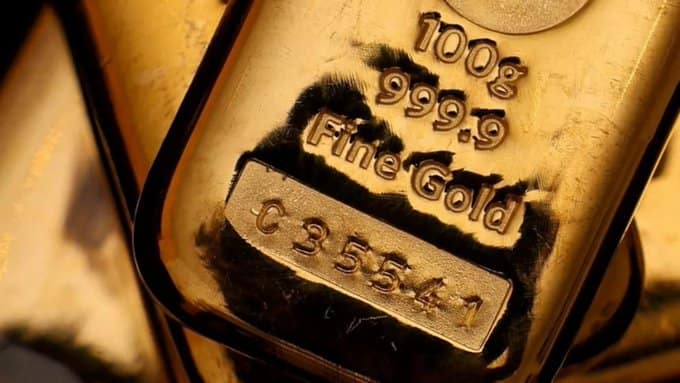
In a move that has sent shockwaves through global financial markets, the spot price of gold has shattered a monumental psychological barrier, breaching $5,000 per ounce for the first time in history. Trading on the London Bullion Market settled at an unprecedented $5,027 per ounce late Monday, a staggering figure that extends a parabolic rally, marking a year-to-date surge of over 60% in 2025 alone. This represents the precious metal’s most significant annual gain since the oil crisis and inflationary spiral of 1979.
The landmark breakthrough is not merely a statistical curiosity but the exclamation point on a relentless ascent that has left analysts, central bankers, and everyday investors in awe. It underscores a profound and sustained flight to safety, as capital floods into the ancient store of value amid a perfect storm of global uncertainty and economic pressure.
The Catalysts: A World Seeking Sanctuary
The rally is fueled by a confluence of powerful, interlocking factors that have eroded confidence in traditional assets:
- Geopolitical Fracturing & Conflict: Escalating tensions in multiple global hotspots, along with a deepening fragmentation in international trade and diplomacy, have spurred governments and institutions to repatriate and stockpile gold as a sovereign asset immune to sanctions or counterparty risk.
- The Great De-dollarization Shift: A concerted, albeit gradual, move by several major economies—including China, India, and various BRICS nations—to diversify foreign reserves away from the US dollar has dramatically increased central bank gold purchases. This structural demand provides a powerful, non-speculative floor under the price.
- Persistent Inflationary Undercurrents: Despite interest rate hikes by major central banks, underlying inflation in many Western economies has proven stubbornly persistent. With real rates (interest rates minus inflation) still negative or low in key regions, the opportunity cost of holding non-yielding gold has evaporated. Investors increasingly view it not as a sterile asset, but as a critical hedge against the erosion of purchasing power.
- Mounting Debt and Fiscal Anxiety: Soaring public debt levels in the United States, Japan, and Europe are raising long-term concerns about fiscal stability and currency debasement. Gold is being positioned as the ultimate hedge against potential future crises of confidence in fiat currency systems.
- Market Volatility and Tech Disruption: Extreme volatility in equity and bond markets, coupled with anxieties over the economic impact of rapid AI disruption and climate transition costs, has driven institutional and retail investors alike to seek stability.
The Ripple Effects: Winners, Losers, and a New Reality
The $5,000 milestone has immediate and far-reaching implications:
- Miners & Producing Nations: Major gold mining companies and gold-rich nations like Ghana, South Africa, and Peru are experiencing windfall profits and increased fiscal revenue, though they face scrutiny over profit-sharing and environmental practices.
- Central Banks & Sovereign Wealth Funds: Institutions that accelerated their gold-buying programs earlier are seeing massive unrealized gains, validating their strategic shift.
- Consumers & Emerging Markets: The soaring price is crushing demand for gold jewellery in key markets like India and China, where cultural purchases are being delayed or downsized. It also exacerbates the economic strain in countries that rely on gold imports.
- The “Digital Gold” Narrative: The price surge is drawing fresh, albeit contentious, comparisons to cryptocurrencies like Bitcoin, with proponents of each arguing over which is the superior modern safe-haven asset.
- Investor Psychology: The breach of such a monumental level is seen by technical analysts as a potential trigger for further momentum buying, as previous resistance levels become distant memories.
A Cautionary Note Amid the Euphoria
While the mood among gold bulls is jubilant, seasoned market observers urge caution. “This is a market driven by fear and momentum,” warns Dr. Evelyn Reed, chief commodities strategist at Sterling Capital. “The parabolic move suggests we are in a late-stage, speculative frenzy. Any sign of geopolitical de-escalation, a sudden spike in real interest rates, or a coordinated effort by central banks to slow purchases could trigger a sharp, painful correction.”
Nevertheless, the breach of the $5,000 ceiling marks a definitive end to one era and the volatile beginning of another. Gold has reasserted its primacy not just as a relic of monetary history, but as a critical, dynamic barometer of 21st-century anxiety and a cornerstone asset in a world bracing for more turbulent times. The question on every trader’s mind is no longer if gold is in a bull market, but just how high the flight to safety can ultimately take it.
About The Author