On paper, it looks like an odd couple. One is a century-old liquid fuel giant with a blue-and-orange star that has become synonymous with South African road trips, truck stops, and the hum of petrol pumps from Musina to Cape Town. The other is a rapidly rising Chinese automaker that, until recently, was better known in global EV circles than on the streets of Soweto.
But when Engen and Chery South Africa announced their new strategic partnership on a crisp autumn morning, the handshake was firm, the smiles were wide, and the logic was undeniable. This is not a sponsorship. This is a supply chain. A brand alignment. And, if all goes according to plan, a roadmap to dominance in two very different but increasingly connected industries.
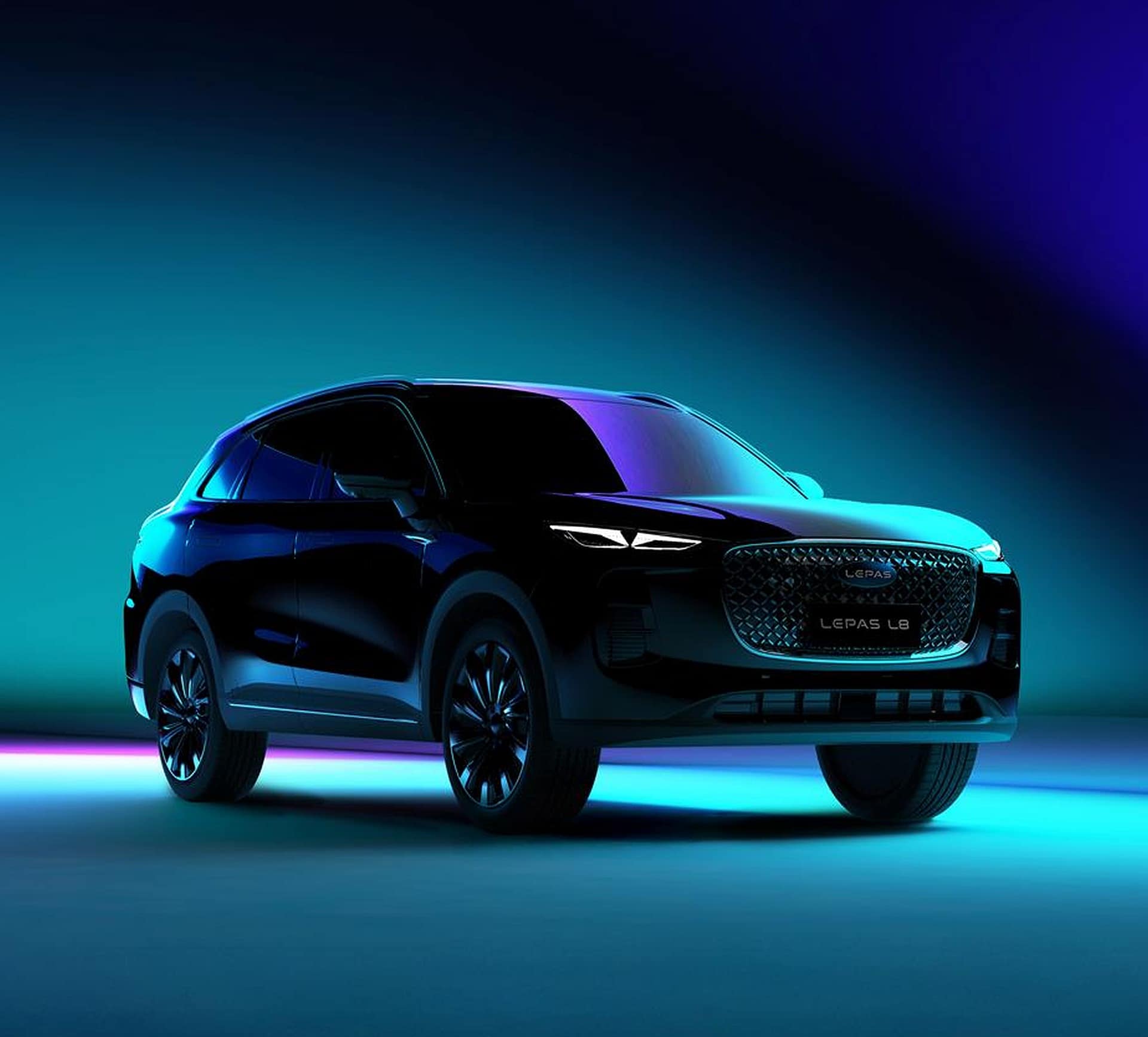
At the heart of the deal is a new name: Lepas (pronounced leh-pahs). Positioned as a “premium” brand under the Chery umbrella, Lepas will launch with its first model—the L4 compact SUV—before the end of 2026. And under the hood, inside the engine, and coating the moving parts, will be Engen lubricants, fluids, and technical expertise.
But the partnership runs deeper than oil. It is a bet on local manufacturing, on post-sales loyalty, and on the idea that the future of South African mobility will be built not by fuel companies or carmakers alone, but by the spaces where they overlap.
The Engen Ambition: From Forecourt to Top Spot
Engen is not new to partnerships. The company has long supplied fuels to fleet operators, mining houses, and logistics giants. But the Chery deal is different. It is exclusive. It is high-profile. And it comes at a moment when Engen has publicly stated its ambition to become the top supplier of fuels and lubricants in South Africa—a title currently held by a combination of Sasol, BP, and TotalEnergies, depending on how you measure.
“We are not here to be second,” said an Engen executive during the announcement, though the company has since declined to provide a direct quote for this article. “This partnership with Chery and Lepas is about quality, visibility, and trust. Every Lepas vehicle will roll off the line with Engen products. That is not just a contract. That is a statement.”
The lubricants market in South Africa is fiercely competitive, with margins squeezed by global oil price volatility and a slow but steady shift toward electric vehicles. Engen’s strategy appears to be defensive and offensive at once: lock in a major automotive partner to guarantee volume, while leveraging that partnership to attract other OEMs (original equipment manufacturers) who might be watching.
If Lepas succeeds, Engen’s lubricants will be in every service bay, every dealership, and every DIY garage where Lepas owners take their vehicles. That is recurring revenue. That is brand stickiness. That is the dream of every fuel company watching the internal combustion engine sunset approach.
Chery’s Local Push: Roslyn and the Return of Assembly
For Chery, the partnership is equally strategic but for different reasons. The Chinese automaker has been quietly building momentum in South Africa since its return to the market in 2021 after a years-long absence. Models like the Tiggo 4 Pro and Tiggo 8 Pro have found a receptive audience among value-conscious buyers looking for well-specced SUVs at prices undercutting traditional Japanese and Korean rivals.
But Chery wants more than import success. It wants local manufacturing.
Later in 2026, Chery plans to begin assembly operations near Roslyn—the same industrial node north of Pretoria that houses BMW’s massive plant. The location is no accident. Roslyn has a skilled workforce, existing supplier networks, and access to key logistics routes. Chery has not confirmed whether the Lepas L4 will be the first model assembled there, but industry insiders say it is highly likely.
Local assembly brings multiple advantages. It reduces import duties, allows Chery to avoid some of the currency fluctuation risks that have plagued competitors, and—crucially—makes the company eligible for government fleet tenders that require a certain percentage of local content.
“Chery is playing the long game,” said an automotive analyst who asked not to be named due to client relationships. “They don’t just want to sell cars to individuals. They want to sell to metros, to parastatals, to rental companies. Local assembly is the key to that door. And Engen is the key to keeping those cars running after the sale.”
The Lepas L4: What We Know So Far
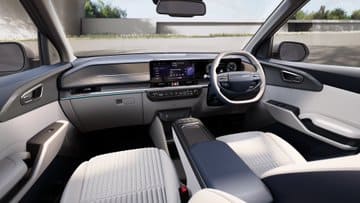
Details about the Lepas L4 remain scarce, but the crumbs are tantalizing. Positioned as a “premium compact SUV,” the L4 is expected to compete with the likes of the Volkswagen T-Cross, the Hyundai Kona, and the Haval Jolion—a crowded but lucrative segment.
“Premium” in this context likely means higher-quality interior materials, a more powerful engine option, and a stronger technology package (large screens, driver assistance features, possibly a hybrid variant) than Chery’s mainstream offerings. The L4 is also expected to carry a distinctive design language, differentiating it from the Tiggo family.
Engen’s role goes beyond supplying lubricants. The two companies are reportedly co-developing a “Lepas by Engen” service plan, which would bundle scheduled maintenance, genuine parts, and Engen lubricants into a single monthly payment. If successful, the model could be extended to other Chery vehicles—and potentially to other brands in the future.
Why This Partnership Matters Beyond the Products
At a macro level, the Engen-Chery partnership is a small but significant sign of shifting economic alliances. South Africa has historically been a stronghold for European and Japanese automakers, with German prestige brands and Japanese workhorses dominating the new-vehicle landscape. Chinese brands were once seen as cheap, unreliable, and short-lived.
That perception has changed. Haval (owned by Great Wall Motors) is now a top-ten seller. Chery is close behind. And BYD, the world’s largest EV maker, is eyeing the market. Chinese automakers are no longer fringe players. They are the new mainstream.
For Engen, a company with deep historical roots in South Africa (and majority ownership by Malaysian state-owned Petronas), the partnership is a hedge. If the future of South African motoring is Chinese, Engen wants to be the oil inside those engines. If the future is electric, well—Engen is also quietly rolling out EV charging infrastructure at selected forecourts. The Chery deal does not preclude that future. It complements it.
The Skeptics and the Challenges
Not everyone is convinced. Some industry watchers point to the crowded compact SUV segment and wonder whether there is room for yet another brand, even a “premium” one. Others question whether Engen’s dealer network—primarily focused on fuel sales and convenience retail—is equipped to handle the technical demands of a dedicated automotive service partnership.
“There is a difference between selling oil to a mechanic and managing a national service plan,” said a former Engen executive. “This requires systems, training, quality control. It is a different muscle.”
Chery, for its part, has faced its own challenges. Early models had inconsistent dealer experiences, and parts availability was a complaint among some owners. The company has since invested heavily in its dealer network and warehouse infrastructure, but reputational scars take time to heal.
The Roslyn assembly plant also carries risk. Local manufacturing requires local supply chains, local labor relations, and local quality assurance—all of which have tripped up foreign automakers in the past. If the plant faces delays or quality issues, the entire Lepas launch could be affected.
The Road Ahead
The first Lepas L4s are expected to reach dealerships in the fourth quarter of 2026. If the Roslyn plant is operational by then, some of those vehicles will have been assembled in South Africa—a point Chery is likely to emphasize in its marketing.
Engen, meanwhile, will begin rolling out “Lepas Service Zones” at selected forecourts, offering dedicated bays for Lepas owners, stocked exclusively with Engen lubricants and Chery-certified parts. The first such zone is expected to open at Engen’s flagship location on the N1 near Midrand.
For consumers, the partnership may not be visible at first glance. But under the bonnet, in the service plan, and in the quiet confidence of two companies betting on each other, the Engen-Chery alliance is a glimpse of a future where the line between fuel and motion, between local and global, between Chinese engineering and South African assembly, becomes beautifully blurred.
And if everything goes according to plan, the only thing drivers will notice is a compact SUV that starts every time, runs smoothly, and never needs to ask for directions—except perhaps to the nearest Engen forecourt.
The Lepas L4 will launch in Q4 2026. Pricing and full specifications are expected closer to the release date.
About The Author