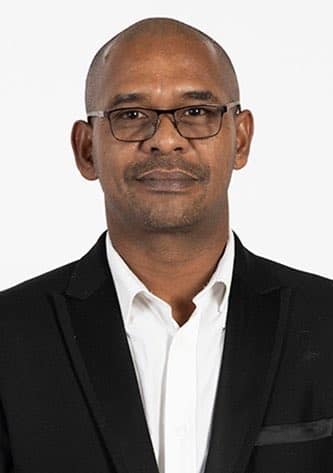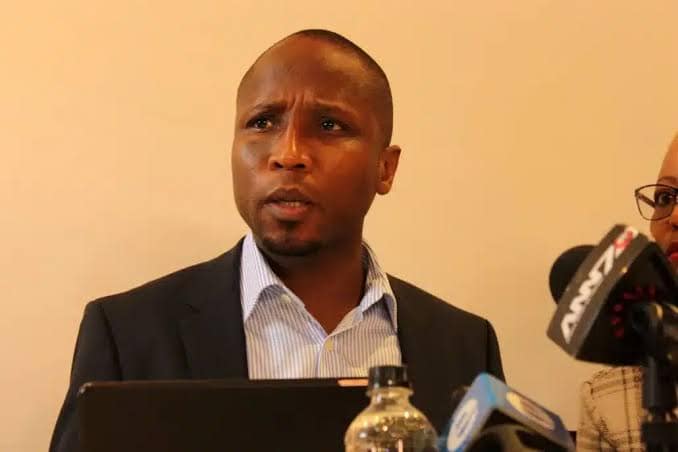
A dramatic confrontation between a former state-owned enterprise CEO and Parliament’s financial watchdog has escalated into a full-blown constitutional crisis, raising fundamental questions about the limits of parliamentary power and the rights of individuals under scrutiny.
Collins Letsoalo, the former Chief Executive of the Road Accident Fund (RAF), has publicly and unequivocally refused to participate in an inquiry led by Parliament’s Standing Committee on Public Accounts (SCOPA), labelling the probe “unlawful” and “procedurally flawed.” His defiance comes in direct response to threats of criminal action from SCOPA, with Letsoalo boldly challenging the committee’s chairperson, Songezo Zibi, to “go ahead and open a case” against him.
The Heart of the Conflict: A Clash Over Process and Principle
The dispute stems from SCOPA’s ongoing, deep-dive investigation into the systemic troubles at the RAF, a entity notorious for its financial woes and operational inefficiencies. The committee has been examining allegations of maladministration, wasteful expenditure, and governance failures during Letsoalo’s tenure.
However, Letsoalo and his legal team are not contesting the substance of the inquiry but its process. In a scathing legal letter to SCOPA, they have outlined several key grievances:
- Breach of Natural Justice: Letsoalo argues that the inquiry has failed to provide him with a detailed charge sheet or a clear list of allegations, preventing him from mounting a proper defence. He claims the process is a “fishing expedition” designed to publicly vilify him rather than uncover facts.
- Procedural Irregularities: His legal team points to alleged deviations from SCOPA’s own internal rules and the Rules of the National Assembly, suggesting the committee is overstepping its mandated powers by acting as a quasi-judicial body without the requisite safeguards.
- Violation of Constitutional Rights: The core of Letsoalo’s argument is that the process infringes upon his constitutional rights to dignity, a fair hearing, and just administrative action. By threatening him with criminal charges for non-attendance, he asserts, SCOPA is bullying a witness into an unlawful process.
A Daring Challenge and a Deepening Crisis
The situation reached a fever pitch when SCOPA Chairperson Songezo Zibi, frustrated by Letsoalo’s non-compliance, explicitly warned that the committee would approach the police to open a criminal case. In terms of the Powers, Privileges, and Immunities of Parliament and Provincial Legislatures Act, it is an offense to refuse to appear before a committee after being summoned.
Letsoalo’s response was one of open defiance. “If Mr. Zibi wants to open a criminal case, he must go ahead,” a source close to the former CEO stated. “We will meet him in court, where the rules of evidence and due process actually apply. This is not accountability; it is a witch-hunt.”
The Broader Implications: Oversight vs. Overreach
This standoff has sent shockwaves through South Africa’s political and administrative landscape.
- For SCOPA: The committee’s authority, fundamental to holding the executive and state entities accountable, is being directly challenged. If Letsoalo succeeds in having the process declared unlawful, it could set a precedent that weakens SCOPA’s ability to compel testimony in future high-stakes investigations.
- For Public Servants: Letsoalo’s stance is being watched closely by other current and former officials. A victory for him could empower others to challenge what they perceive as unfair parliamentary processes. Conversely, a victory for SCOPA would reinforce the principle that parliamentary summonses are not optional.
- For the RAF: The entity at the center of the storm remains in peril. This very public, acrimonious battle distracts from the urgent need to address the RAF’s financial crisis and its ability to serve the millions of South Africans who rely on it for compensation after road accidents.
As SCOPA forges ahead with its plans to involve law enforcement, the stage is set for a landmark legal battle. The outcome will not only determine the fate of Collins Letsoalo but will also redraw the delicate lines between robust public oversight and the fundamental rights of those under its microscope.
About The Author