In the polished, sun-baked corridors of the Union Buildings, where the business of the nation is debated, a new threshold has been drawn—not in policy, but in price. And for the millions of South Africans counting rands to afford a loaf of bread, that number is a slap in the face.
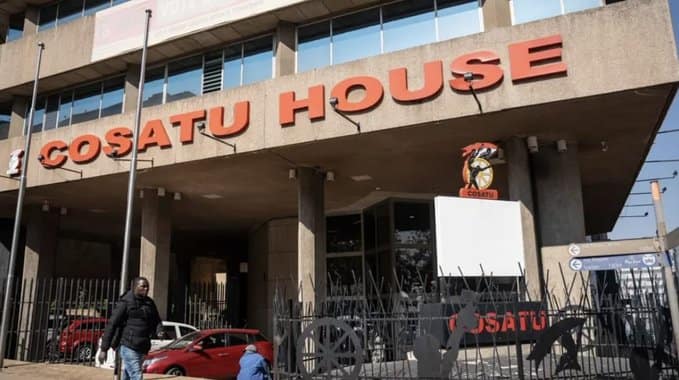
On Wednesday, the Congress of South African Trade Unions (COSATU), the country’s largest labor federation and a key political ally of the ruling African National Congress (ANC), unleashed a blistering attack on the very government it helps prop up. At issue is a quiet, bureaucratic amendment that has ignited a firestorm of class resentment: the raising of the price cap for official vehicles used by Cabinet ministers, deputy ministers, premiers, and MECs (Members of Executive Councils).
The limit has been hiked from R800,000 to a staggering R1.1 million.
For a nation where the unemployment rate hovers near 32%, where the South African Reserve Bank just hiked interest rates to curb inflation, and where a litre of petrol now feels like a luxury item, the decision landed with the force of a wrecking ball.
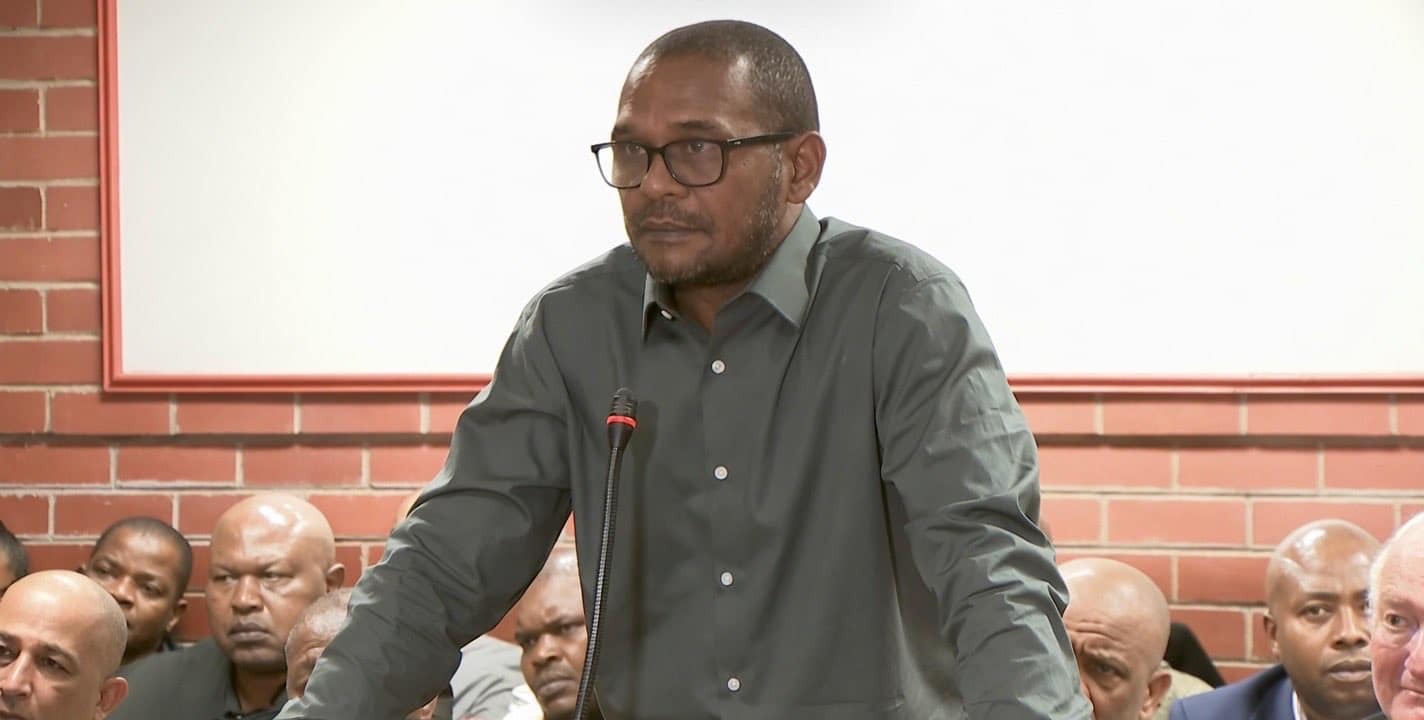
“This is tone-deaf. It is an insult to ordinary workers and the poor,” said Zanele Sithole, a COSATU spokesperson, her voice trembling with controlled rage during a press conference in Johannesburg. “While workers are being crushed by the cost of living—unable to afford a single second-hand vehicle to get to work—these public servants are arguing over whether they should get a BMW 7 Series or a Mercedes-Maybach.”
The Numbers That Burn
To understand the fury, one must look at the arithmetic of austerity. The R800,000 limit had been in place since 2018, a time when the country was already tightening its belt. Under the new directive, signed off by Finance Minister Enoch Godongwana (albeit without fanfare), ministers can now select vehicles from a list that includes luxury SUVs and sedans far beyond the reach of the median voter.
COSATU was quick to calculate the optics.
“R1.1 million,” Sithole continued, jabbing a finger at a prepared statement. “Do you know how many school uniforms that could buy? How many houses that could build in an informal settlement? How many months of nutritional grants for a child in Giyani? They are driving our future into a ditch while sitting on heated leather seats.”
The federation reminded the government that municipalities are collapsing, potholes are swallowing cars whole, and hospitals are running out of oxygen. Yet, the “political elite” are reportedly eyeing the new Volvo XC90, the Land Rover Defender, and the top-end Audi Q7—all of which now fit comfortably under the revised price bracket.
A Broken Promise?
The move has also exposed the deep hypocrisy often cited by COSATU regarding the “two economies” of South Africa: one white and wealthy, the other black and struggling—though in 2024, the divide is less about race and more about class.
Trade unionists were quick to quote President Cyril Ramaphosa himself. During the height of the COVID-19 pandemic, Ramaphosa famously took a 33% pay cut and called for “rationalisation” and “sacrifice.” He spoke of a “new compact” between the state and citizens.
“Where is that compact now?” asked Mpho Tshabalala, a striking metalworkers’ union official who joined the COSATU picket line outside the Treasury building. “The President asks us to sacrifice. We took the pay cuts. We lost our jobs. We stood in the food lines. And these people? They are upgrading their rides.”
The Government’s Defense (Or Lack Thereof)
When reached for comment, spokespersons for the Ministry of Finance attempted to downplay the furor. They argued that the increase is merely inflationary—adjusting for the cumulative rise in car prices since 2018. An official, speaking on condition of anonymity, noted that “a basic, entry-level SUV for a rural premier often requires 4×4 capability, which drives up the cost.”
But COSATU wasn’t buying it.
“Inflation?” scoffed Sithole. “Workers’ wages have not kept up with inflation. Pension increases have not kept up with inflation. But the minister’s bumper? That must keep up with inflation? Why don’t they drive the same fleet vehicles that the police are forced to use? Why not a Toyota Corolla?”
The Political Fallout
The timing is catastrophic for the ANC, which is heading into a bruising election season. The party is already hemorrhaging support to the Economic Freedom Fighters (EFF) and the newly formed uMkhonto weSizwe (MK) party, both of which thrive on the narrative of a corrupt, entitled elite.
On social media, the hashtag #VukaUzenzele (Wake up and do it yourself) was trending, mixed with memes of ministers sitting in shopping trolleys captioned “COSATU’s recommended vehicle for government.”
Political analyst Lukhanyo Velebi weighed in: “This is a gift to the opposition. When COSATU—your own alliance partner—is calling you out on national TV, you have lost the moral authority to talk about poverty. This isn’t just a car; it’s a metaphor for a government that has lost the plot.”
The Final Warning
As the press conference wound down, COSATU issued an ultimatum that sent a chill through the ruling party’s headquarters at Luthuli House.
“Reverse this decision within seven days, or we will be forced to reconsider our participation in the upcoming national day of action,” read the final line of the memorandum.
It was a veiled threat of a general strike—a return to the mass action politics of the 1980s. For now, the ministers may be eyeing their new luxury sedans. But if COSATU has its way, the only place those cars will be driving is into a wall of striking workers blocking the highway.
In South Africa, it seems, the gap between the R1.1 million car and the R5,000 shack is no longer just an economic statistic. It is a powder keg. And the government just lit the fuse.
About The Author