A quiet corner of Grassy Park has become the epicenter of a city’s grief and a nation’s rage, after police discovered such profound horror it has left an entire community gasping. In a shallow, hastily dug grave, officers first uncovered the body of 23-year-old Shanice Rudolph, four months pregnant and missing for a week. As they gently exhumed her, a second, even more chilling reality emerged: beneath Shanice lay the remains of another, yet-to-be-identified woman.
The grim uncovering of two lives snuffed out and hidden together has cast a pall of shock and sorrow over Cape Town, transforming a local missing persons case into a stark, devastating symbol of the gender-based violence (GBV) epidemic that continues to strangle South Africa.
A Desperate Search Ends in Unimaginable Tragedy
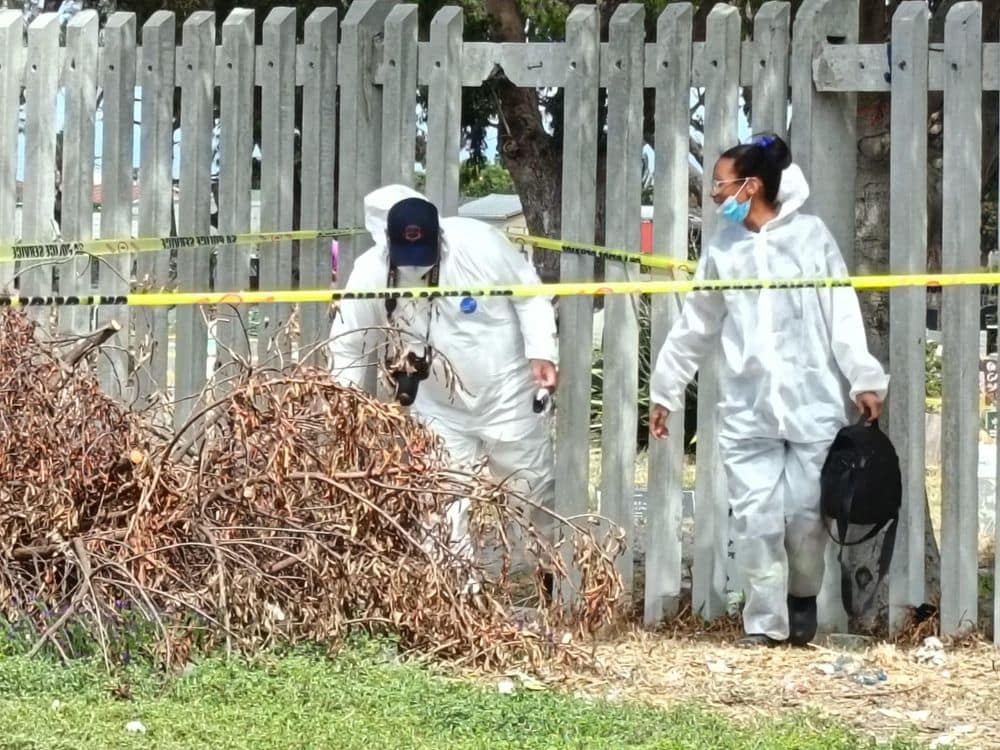
Shanice Rudolph was last seen a week ago, her disappearance sparking frantic pleas from her family and community. Flyers with her smiling face papered the streets of Grassy Park and flooded social media, as volunteers combed the area. That search ended in unspeakable tragedy on Wednesday when police, acting on a tip-off, arrived at a vacant plot of land overgrown with grass and shrubs.
“The scene is one of the most harrowing our officers have faced,” said Western Cape Police Commissioner, Lieutenant General Thembisile Patekile, his voice heavy with emotion at a press briefing. “To find one victim is a tragedy. To find a second beneath her… it speaks to a level of callousness and brutality that is difficult to comprehend.”
A Suspect in Custody, a Community in Mourning
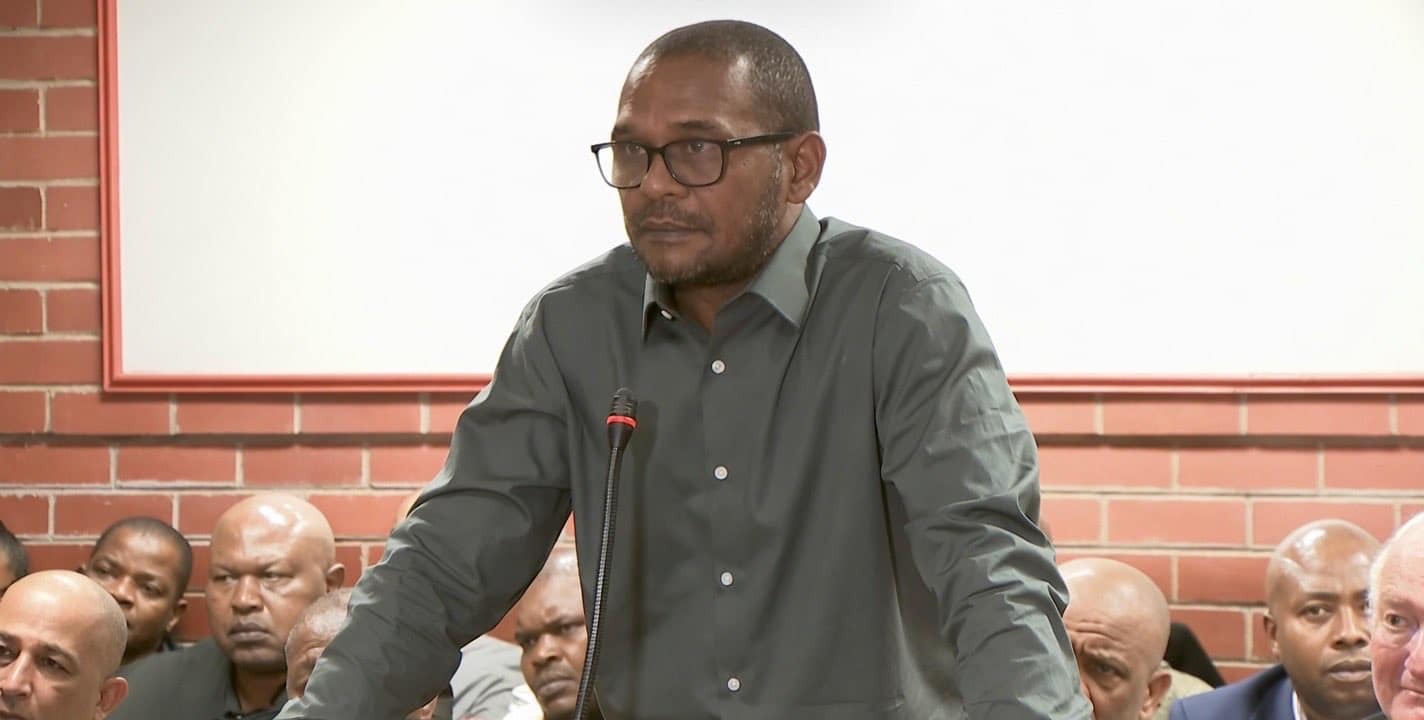
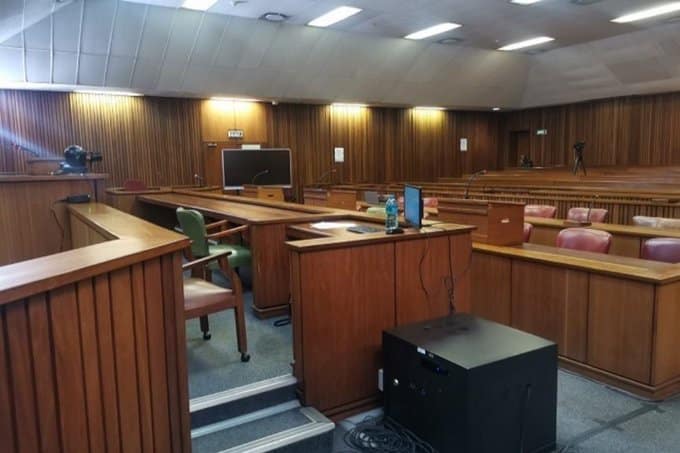
A 32-year-old man, known to Shanice, was arrested hours after the discovery and is expected to appear in the Wynberg Magistrate’s Court on charges of double murder. While police investigations are in their early stages, the arrest has done little to soothe the raw anguish of a community that feels profoundly unsafe.
Outside the Rudolph family home, a gathering of mourners has become a spontaneous shrine. Teddy bears, flowers, and burning candles surround a photograph of a beaming Shanice. Among them, a single, heartbreaking item: a pair of tiny, white baby shoes.
“She was so excited to be a mother. She had already named the baby,” said a tearful aunt, Micheline February, who declined to give her full name. “We weren’t just looking for Shanice. We were looking for two souls. And now we have lost them both to pure evil.”
The Second Victim: A Mystery Deepens the Horror
The identification of the second woman is now a critical and urgent priority for the police. Her presence in the grave suggests a predator potentially operating with a horrifying pattern. Forensic teams are working around the clock, and missing persons records from across the province are being scrutinized.
“This is no longer an isolated incident,” said Professor Lillian Artz, Director of the Gender, Health & Justice Research Unit at UCT. “The concealment of two bodies together indicates premeditation and a terrifying disregard for human life. It forces us to ask: how many more are missing? How many more families are waiting in silent agony? Shanice’s case has tragically lifted a rock, and we are seeing the horrific reality that crawls beneath.”
A City’s Anguish Echoes a National Crisis
The double murder has ignited fresh outcry across South Africa. In Cape Town, a vigil is planned for the weekend, expected to draw thousands. On social media, the hashtags #JusticeForShanice and #EndGBV are trending, filled with grief and fury.
“The numbers are not just statistics. They are our sisters, our daughters, our friends,” said Zara Tromp, a grassroots anti-GBV activist. “Shanice and this unknown woman are the devastating human cost of our failure to protect women. We are living in a state of permanent, low-grade war, and women are the casualties.”
As forensic vans finally left the scene in Grassy Park, the only sound was the weeping of Shanice’s mother, collapsing into the arms of relatives. Two families have been shattered—one known, one still waiting in the torturous unknown. Their twin tragedies have carved a new, deeper wound into Cape Town’s soul, a grim reminder that for many women in South Africa, the very ground beneath their feet can become a grave.
About The Author