In the plush, high-security suburb of Constantia, where manicured vineyards meet palatial homes shielded by electric fences and private security patrols, the Virgin Active health club stands as a temple of wellness and routine. Here, among the rhythmic hum of treadmills and the clatter of weights, senior personal trainer Stanislav “Stan” Stamenov was known for his intense focus, meticulous workout plans, and a quiet, professional demeanor. To his clients—many of them from the suburb’s wealthy elite—he was a pillar of discipline, helping them sculpt their bodies in an oasis of calm. They had no idea they were being guided by a man living a meticulously constructed double life, wanted across continents for his role in a transnational heroin syndicate.
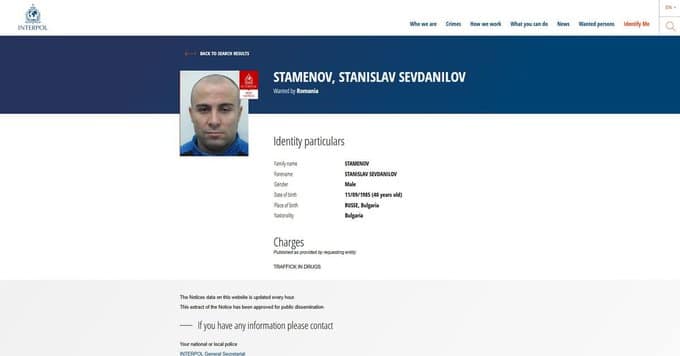
The unraveling of Stamenov’s carefully curated identity began when investigative journalists, pursuing a tip, cross-referenced the details of a live Interpol Red Notice with public profiles in South Africa. The notice was for Stanislav Sevdanilov Stamenov, a Bulgarian national sentenced in absentia to 16 years by a Romanian court for his integral role in a sophisticated heroin trafficking operation that moved narcotics through Eastern Europe. The digital fingerprints matched: the man in the notice and the respected trainer at one of Cape Town’s most exclusive gyms were the same person.
Further digging revealed a past far removed from fitness routines. Stamenov, who holds permanent residency in South Africa, was once known in Bulgaria’s underworld as a formidable enforcer. He had served as a personal bodyguard to a high-profile Bulgarian mobster who was later murdered in a gangland hit—a killing that itself had connections to the Constantia area, a locale with a quiet but documented history of attracting individuals linked to Eastern European organized crime. It appears Stamenov had traded a life of violence and trafficking for one of measured reps and client consultations, embedding himself in a community where discretion is the ultimate currency.
Confronted with the evidence, Virgin Active acted swiftly, issuing a terse statement confirming Stamenov’s immediate suspension pending a full internal investigation. “We are appalled by these allegations and are cooperating fully with the relevant authorities to verify the facts,” a company spokesperson said. The gym, a brand built on health and safety, now faces a crisis of credibility, urgently auditing its own hiring and vetting processes.
The most pressing question, however, echoes in the silence from law enforcement: why has there been no arrest? South African authorities have confirmed they are “reviewing the matter” and “engaging with international counterparts,” but Stamenov remains at liberty. Legal experts suggest the complexity lies in the nature of the Romanian conviction—handed down in absentia—which may require a lengthy judicial review and formal extradition proceedings before any local arrest warrant can be executed. This bureaucratic limbo has left a convicted drug trafficker, a man deemed dangerous enough for an Interpol Red Notice, free in a South African suburb.
The case has sent a ripple of unease through Constantia. For residents, it is a jarring breach of their insulated reality, a reminder that the shadows of global crime can reach into even the most guarded sanctuaries. For South Africa’s immigration and law enforcement systems, it is an embarrassing probe into the potential gaps that allow individuals with violent criminal pasts to not only enter the country but to establish stable, professional lives under their real names.
As the reviews continue, Stanislav Stamenov exists in a state of precarious suspension. His future, once mapped out in training schedules and client goals, now hinges on diplomatic notes and legal affidavits. The saga of the fugitive trainer underscores a stark, modern truth: in a globalized world, a new life is sometimes just a flight and a forged narrative away, and the past has a relentless way of tracking one down, even amidst the quiet luxury of a Cape Town gym.
About The Author