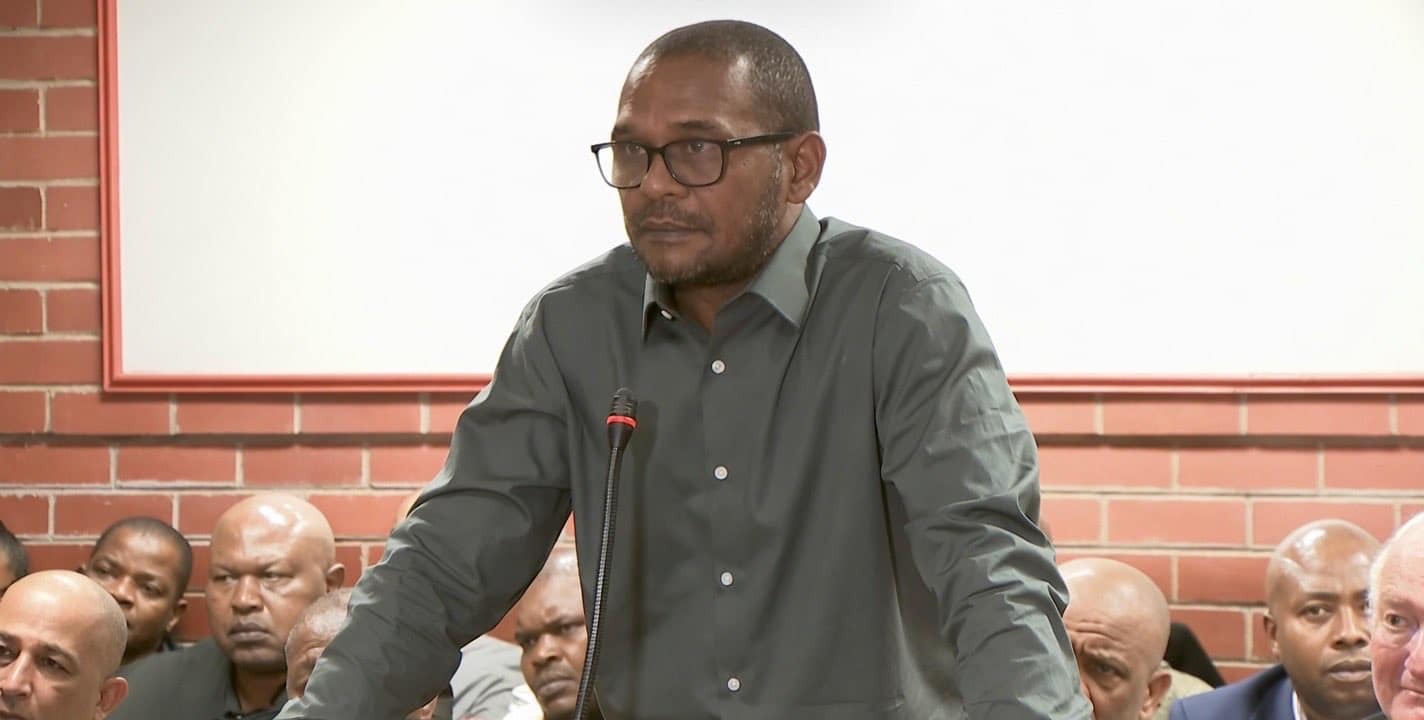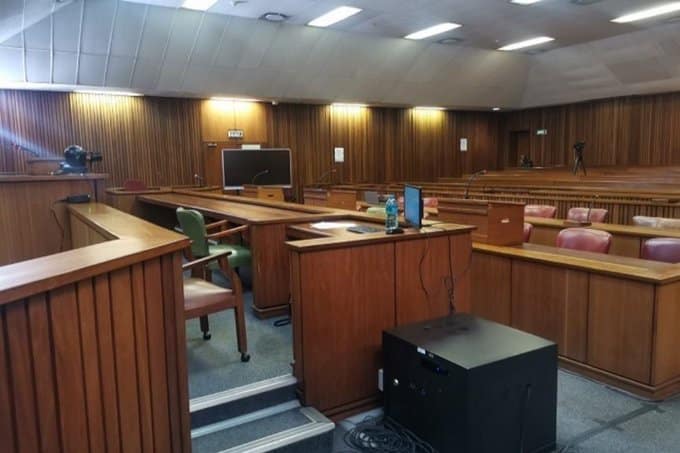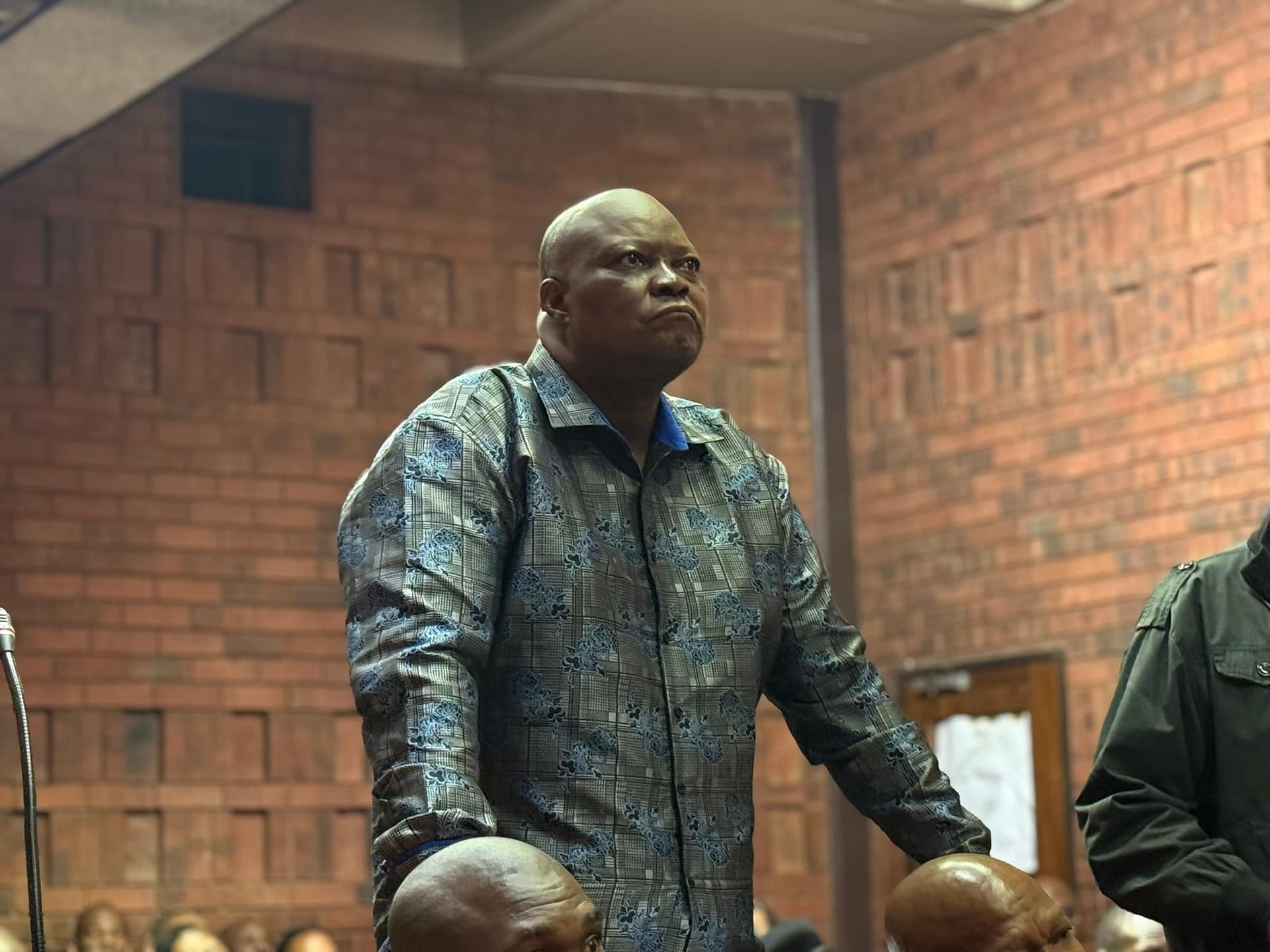
In a case that has drawn international attention and raised questions about cross-border political tensions, prominent Zimbabwean opposition politician Job Sikhala has been released on R10,000 bail by a Pretoria magistrate’s court. Sikhala was arrested after police discovered explosives in his vehicle during a routine traffic stop in the South African capital.
The arrest sent shockwaves through political circles in both South Africa and Zimbabwe, where Sikhala is a well-known and often-detained figure from the opposition Citizens Coalition for Change (CCC). The discovery of explosives in a politician’s car immediately prompted fears of potential terrorism links or politically motivated violence.
However, in a dramatic turn following his bail hearing, Sikhala has vehemently proclaimed his innocence, asserting that the South African judiciary had recognized his claim that the explosives were not his.
“There is no further investigations,” Sikhala stated confidently to reporters outside the courthouse, suggesting that the case against him had effectively collapsed. “The judiciary found out that the explosives were planted in my car.”
Unanswered Questions and Legal Nuances
While Sikhala’s declaration suggests a clear exoneration, legal experts caution that the situation may be more complex. The granting of bail typically indicates that the court does not view the accused as a flight risk or an immediate danger to the public, not that the charges have been dismissed.
The National Prosecuting Authority (NPA) has been tight-lipped, issuing only a standard confirmation of the bail amount and the charges. The claim that there are “no further investigations” remains unverified by official police or prosecutorial sources, leaving a critical ambiguity at the heart of the case. If the investigation is indeed closed, it would lend significant credibility to Sikhala’s claim of a frame-up. If it remains active, his statement could be seen as a strategic public relations move.
A History of Persecution and a Shadow of Mistrust
Sikhala’s assertion that the explosives were planted is being viewed by his supporters through the lens of his long and turbulent political career in Zimbabwe. He has been repeatedly arrested and imprisoned by the ZANU-PF led government, which has frequently been accused of using the judiciary to harass and silence opposition figures.
This context has fueled speculation that the incident in Pretoria could be an extension of his political persecution, potentially involving actors with ties to Zimbabwe operating on South African soil. Alternatively, theories of a provocation designed to discredit him or a complex setup involving other parties are also circulating.
For now, Sikhala is a free man on bail, but the cloud of the serious charges has not fully dissipated. The case hangs in a precarious balance: either a sinister plot against a dissenting voice has been uncovered in South Africa, or a dangerous individual has been temporarily released on a technicality. The truth, much like the full details of the investigation, remains to be seen. The South African authorities’ next move—whether to proceed with prosecution or quietly drop the charges—will be intensely scrutinized and will have significant political ramifications across the region.
About The Author