In a decisive move signaling a major offensive against systemic corruption and political interference, President Cyril Ramaphosa has issued a direct executive order to Acting Police Minister Firoz Cachalia to immediately establish a dedicated, multi-disciplinary Special Investigative Task Team.
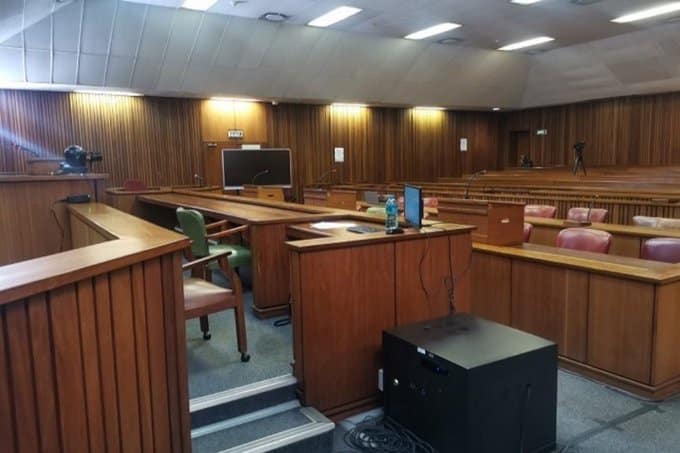
This urgent mandate is a direct response to the cascade of shocking, on-record allegations of deep-seated criminal activity, political manipulation, and institutional corruption within South Africa’s criminal justice system, currently being exposed at the ongoing Madlanga Commission of Inquiry.
The Commission, led by Justice Mbuyiseli Madlanga, has in recent weeks transformed from a procedural inquiry into a national lightning rod, hearing testimony that paints a picture of a justice system under siege. Witnesses—including current and former high-ranking police officials, prosecutors, and intelligence operatives—have alleged a range of criminality, from the weaponization of state institutions for political vendettas and the sabotage of high-profile investigations, to alleged corruption networks facilitating organized crime.
Presidential Directive: A Task Team “With Teeth”
According to a statement issued late Thursday from the Union Buildings, President Ramaphosa has instructed Minister Cachalia to assemble a team “with the requisite independence, expertise, and firepower” to pursue the specific criminal leads emerging from the Commission’s evidence. The unit is to operate with urgency and will report directly to the Minister and the Presidency.
“The allegations emerging from the Madlanga Commission are of such a grave nature that they demand an immediate and specialized investigative response, parallel to the Commission’s own work,” the presidential statement read. “We cannot allow any perception of impunity to stand. This task team will follow the evidence wherever it leads, without fear, favour, or prejudice, to ensure that those responsible for any criminal acts are held accountable.”
Scope and Powers of the New Unit
While full operational details are still being finalized, senior government sources indicate the task team will likely include:
- Vetted senior detectives from the Directorate for Priority Crime Investigation (DPCI, or Hawks).
- Forensic auditors and financial investigators from the Financial Intelligence Centre (FIC) and South African Revenue Service (SARS).
- Specialized prosecutors from the National Prosecuting Authority (NPA) to guide investigations and ensure prosecutorial readiness.
- Secured intelligence support to analyze linkages between alleged criminal acts and possible political or economic motives.
The unit is expected to be granted broad powers to subpoena documents, follow financial trails, and pursue cases that may involve individuals both inside and outside the government.
A Commission Unearthing “A Second Shadow State”
The President’s intervention underscores the severity of the testimony before Justice Madlanga. The Commission has heard claims that rival factions within the state security apparatus actively worked to derail investigations into politically connected individuals and corporate entities. Other allegations suggest that criminal syndicates exploited these factional divides to infiltrate and corrupt police and prosecutorial processes.
Legal analysts suggest the new task team faces a monumental challenge. “This isn’t about investigating a single crime,” said legal commentator Advocate Letsoalo. “This is about forensically unpacking what appears to be a sustained, multi-year campaign to subvert the criminal justice system itself. The task team will need to mine the Commission’s evidence, protect witnesses, and build prosecutable cases in an environment that has already been shown to be hostile to accountability.”
Political and Public Reaction
The announcement has been met with cautious optimism by opposition parties and civil society, though many stress that the task team’s independence will be its ultimate test. “The proof will be in the arrests and convictions,” said a statement from the Democratic Alliance. “We have seen special units created before, only to be starved of resources or politically neutralized. This team must be transparent and insulated from any form of coercion.”
For the public, weary of endless corruption scandals, the move is seen as a critical test of President Ramaphosa’s pledge to rebuild state institutions. The coming weeks, as Minister Cachalia assembles the team and its first operational steps are revealed, will be scrutinized intensely.
The creation of this task team marks a pivotal moment, shifting the Madlanga Commission from an exercise in truth-telling to the potential launchpad for a new wave of criminal accountability at the highest levels. The nation now watches to see if this new unit can navigate the treacherous terrain it has been created to investigate.
About The Author