Australians can breathe a collective sigh of relief this week as Energy Minister Chris Bowen moved decisively to quash mounting speculation about potential fuel shortages, confirming on Sunday that the nation’s fuel supply remains robust and that there are no immediate plans to introduce rationing. The assurance comes amid escalating global anxiety over the ongoing war involving Iran and the widening conflict’s potential to disrupt critical oil supply chains upon which Australia—and much of the world—remains heavily dependent.
Standing before reporters in Canberra, Bowen struck a tone of measured confidence, acknowledging the seriousness of the geopolitical situation while emphasizing the strength of Australia’s strategic fuel reserves and the resilience of its supply networks. “I understand that Australians are watching global events with concern, as we all are. The conflict involving Iran has introduced significant volatility into international oil markets, and we are monitoring the situation closely,” Bowen said. “But I want to be unequivocal: Australia’s fuel supply is strong. There are no plans for fuel rationing. The government is prepared, and we have the mechanisms in place to ensure that families, businesses, and essential services continue to have access to the fuel they need.”
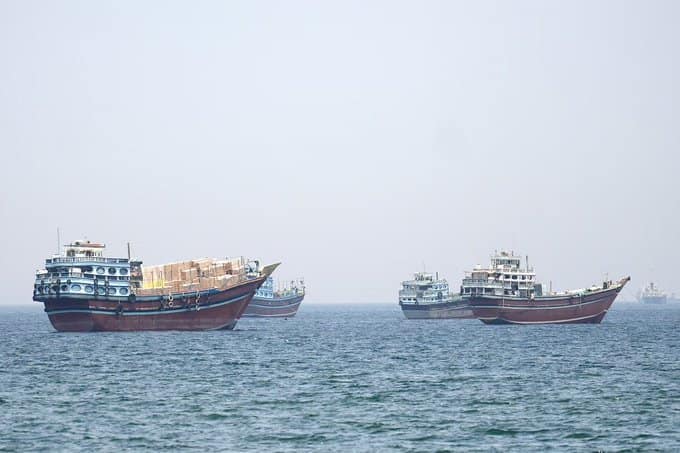
The Minister’s statement was carefully calibrated to address a growing wave of public anxiety that had been building over recent weeks. As tensions in the Middle East escalated and news reports highlighted the vulnerability of the Strait of Hormuz—a narrow waterway through which approximately one-fifth of the world’s petroleum passes—social media had become awash with speculation about possible fuel shortages, panic buying, and the specter of rationing reminiscent of the 1970s oil crises. Service stations in some regional areas reported upticks in demand as motorists, acting on rumor rather than official information, began filling extra containers “just in case.”
Bowen’s confirmation that rationing is not on the table was accompanied by a detailed outline of the government’s contingency planning. He pointed to Australia’s membership in the International Energy Agency (IEA), which requires member countries to hold oil stocks equivalent to at least 90 days of net imports. While Australia has historically relied more heavily on commercial stockholding and just-in-time supply chains than some other IEA nations, Bowen assured the public that the government has been working quietly behind the scenes to shore up reserves and diversify supply routes.
“We have been engaging extensively with our international partners, with the fuel industry, and with our own agencies to ensure that we are not caught flat-footed,” Bowen explained. “The IEA framework provides a strong foundation for collective action should the situation deteriorate further. But let me be clear: we are not at that point. The market is functioning. Supply chains are operating. And the government is prepared to take further steps if and when they become necessary, but rationing is not among the immediate options on the table.”
The Minister’s reassurances were welcomed by industry groups, who had been growing increasingly frustrated with what they characterized as alarmist social media speculation. The Australian Institute of Petroleum (AIP) issued a statement in support of Bowen’s remarks, noting that refinery stocks across the country remained at healthy levels and that wholesale supply chains had shown remarkable adaptability in recent years, having weathered the COVID-19 pandemic, the Russian invasion of Ukraine, and various other global disruptions.
However, the calm official response belied a more complex reality. The war involving Iran has introduced a new and unpredictable variable into global energy markets. Iran, a major oil producer, sits astride the Strait of Hormuz, and any escalation that threatens shipping lanes in the region could send oil prices soaring and disrupt supply to Asian markets, including Australia. Analysts have noted that while Australia does not import significant quantities of crude oil directly from Iran, the global nature of oil markets means that disruptions anywhere quickly become disruptions everywhere.
Dr. Eleanor Chen, an energy security analyst at the Australian National University, explained that while Bowen’s public assurances were warranted given current conditions, the situation required constant vigilance. “The Minister is correct that we are not at a point where rationing is necessary or imminent,” Chen said. “But the situation is fluid. What the government is doing—and what they should be doing—is preparing for a range of scenarios. The public should take comfort in the fact that there are contingency plans, but they should also understand that energy security is not a static condition. It requires ongoing management and, in times of crisis, the willingness to make difficult decisions.”
The political context of Bowen’s statement was also significant. The Labor government has faced sustained opposition criticism over its energy policies, with the Coalition accusing it of neglecting fuel security in favor of a rushed transition to renewables. Opposition spokesperson for resources and energy, Senator Susan McDonald, seized on the Iran conflict to question whether Australia had done enough to build domestic fuel resilience, pointing to the closure of several Australian refineries in recent years and the country’s growing dependence on imported refined product.
“The Minister can say there’s no rationing today, but the reality is that Australia is more vulnerable to global supply shocks than it was a decade ago,” McDonald said in a statement released shortly after Bowen’s press conference. “We have lost refining capacity, we have not maintained strategic stocks at the level recommended by experts, and we are at the mercy of events halfway around the world. Labor’s ideological rush to renewables has come at the expense of practical fuel security.”
Bowen dismissed the criticism as opportunistic scaremongering, pointing to his government’s investments in maintaining remaining refining capacity and its work to develop a comprehensive Fuel Security Package. “What Australians want from their government is honest information and steady leadership, not panic and not playing politics with national security,” he said. “We are providing exactly that. We are monitoring. We are prepared. And we will continue to ensure that Australians can fill up their cars, that farmers can run their machinery, and that our economy keeps moving.”
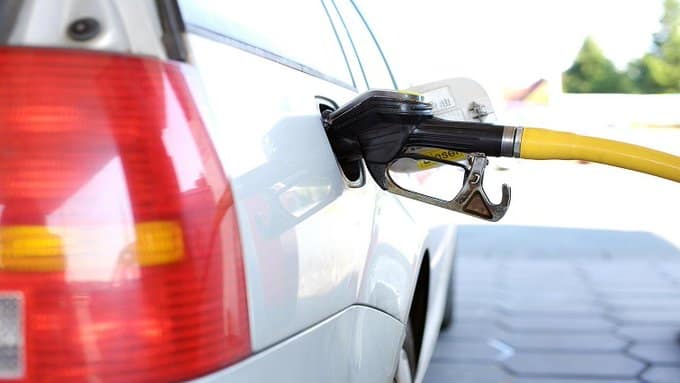
For everyday Australians, the Minister’s words offered a measure of reassurance in uncertain times. At service stations across Sydney, Melbourne, and Brisbane, pump prices had shown modest increases in recent weeks, tracking global oil price movements, but there was no evidence of the sharp spikes or supply shortages that characterized previous global energy crises. Motorists interviewed by local media expressed relief at the government’s clear messaging, though some noted that their confidence was tempered by memories of past assurances that had proven premature.
As the conflict involving Iran continues to evolve, the energy minister’s statement is unlikely to be the last word on the subject. The government has indicated that it will provide regular updates to the public and will not hesitate to activate additional contingency measures should the security situation in the Middle East worsen. For now, however, the message from Canberra is clear: Australia’s fuel tanks are sufficiently full, the supply lines are holding, and the feared return to the era of rationing lines and odd-even number plate restrictions remains firmly in the realm of speculation rather than imminent reality.
The coming weeks will test the resilience of global energy markets and the effectiveness of Australia’s preparations. But for a public accustomed to anxiety over the cost of living and the security of essential supplies, Bowen’s confirmation that the nation is not facing an immediate fuel crisis provided a rare moment of certainty in an increasingly uncertain world.
About The Author