A fragile ceasefire in Gaza is facing its most severe test as Israel prepares to hold state memorial ceremonies for the victims of the October 7th attack, an event overshadowed by rising public anger over Hamas’s failure to return the bodies of most deceased hostages.
The solemn ceremonies, scheduled for the coming hours, are unfolding against a backdrop of profound grief and frustration. While the truce has led to the release of living hostages, the issue of the dead has become a painful and contentious sticking point. To date, only nine of the 28 confirmed deceased hostages have been repatriated to Israel since the ceasefire began.
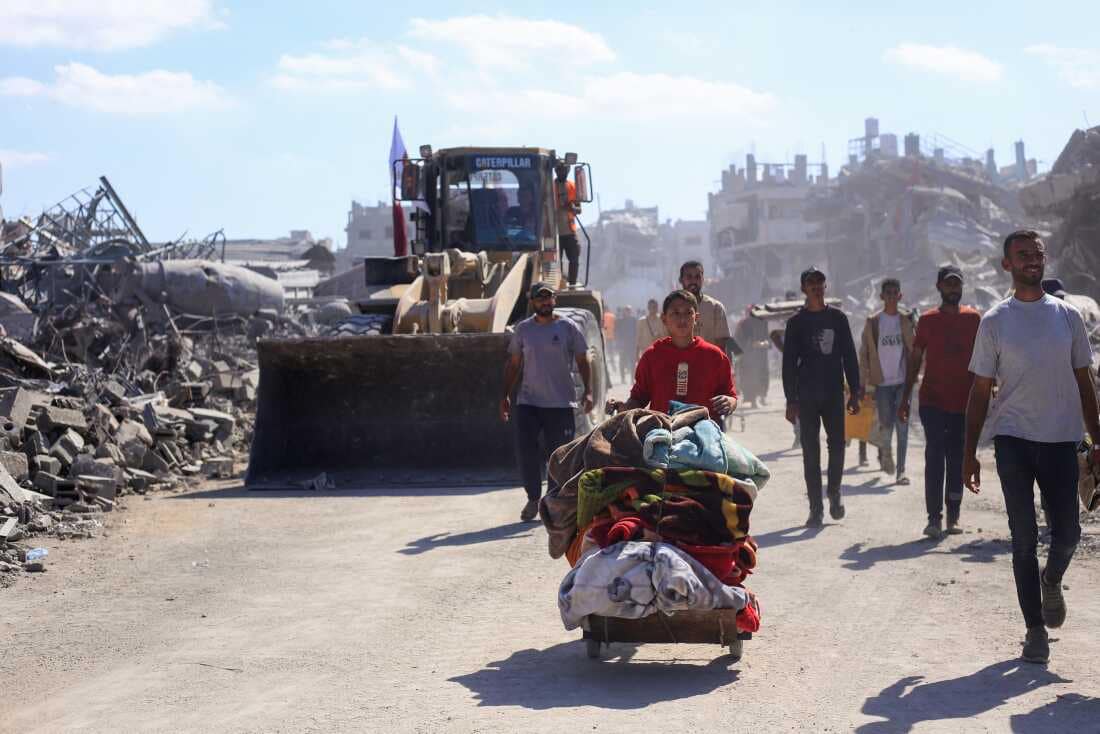
Hamas officials claimed on Wednesday that they have handed over all the bodies currently within their reach. In a statement that underscores the complexities on the ground, the group asserted that recovering more remains would require “significant efforts and special equipment,” suggesting that other bodies are trapped under rubble in areas damaged by the recent conflict, potentially requiring coordinated recovery operations.
This explanation has done little to quell the anguish in Israel, where families of the missing deceased are demanding the return of their loved ones for a proper burial. The dispute threatens to unravel the delicate truce, which was brokered with significant U.S. involvement.
Adding a volatile political dimension to the crisis, former President Donald Trump told CNN that Israeli forces are poised to resume military operations in Gaza “as soon as I say the word” if Hamas is deemed to be violating the agreement. This statement, from a key political figure who has heavily influenced the current administration’s foreign policy, signals that the threat of a renewed Israeli offensive remains immediate and is tied directly to U.S. political will.
As memorials begin, the Israeli government is caught between a mourning public demanding the return of all its citizens, a militant group claiming logistical impediments, and intense international pressure. The coming days will determine whether the ceasefire can evolve into a more lasting peace or shatter under the weight of unresolved tragedies and the looming threat of renewed conflict.
About The Author