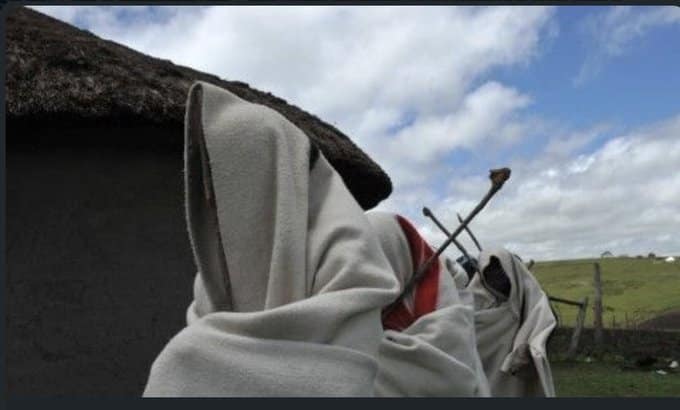
The revered summer initiation season, a sacred cultural passage for thousands of young Xhosa men, has been plunged into mourning and crisis following the confirmed deaths of nine initiates across the province. The fatalities, reported since the season commenced in late November, have cast a pall over the ancient rite of ulwaluko and ignited urgent demands from communities, traditional leaders, and government for decisive action to end the recurrent loss of life.
The deaths, occurring in scattered locations including Kariega, Ngcobo, and villages within the OR Tambo and Chris Hani districts, are attributed to a lethal convergence of systemic failures. Preliminary reports from the Provincial Department of Cooperative Governance and Traditional Affairs (COGTA) point to causes including septic wounds from botched circumcisions, dehydration, hypothermia, and in at least one case, a suspected assault. These tragedies unfold against a backdrop of persistent challenges: illicit or untrained surgeons (ingcibi), inadequate on-site medical screening and aftercare, criminal elements targeting initiation schools, and the vulnerability of initiates to harsh weather in poorly constructed shelters.
“The loss of even one young life is one too many. Each of these boys went to the mountain with the dream of returning as a man, celebrated by his family. Instead, their families are now preparing for funerals,” said a visibly distraught Eastern Cape Premier, Oscar Mabuyane. He announced that the provincial government, in conjunction with the House of Traditional Leaders, has deployed rapid response teams to investigate each death and audit registered initiation schools for compliance with the Application of Health Standards in Traditional Circumcision Act.
The recurring fatalities have intensified a long-simmering debate about modernizing the practice while preserving its cultural essence. Critics argue that criminal elements and commercial exploitation have corrupted the tradition’s sanctity. “These schools are supposed to be sacred spaces of learning and discipline, but some have become businesses run by bogus surgeons, with initiates treated as commodities,” stated Nkululeko Nxesi, a community activist from Lusikisiki. “Thugs demand protection money, and boys are abducted and forced into unregistered schools. The government’s regulations exist on paper but are not enforced on the ground.”
In response, the Provincial House of Traditional Leaders has pledged stricter oversight. “We cannot allow our most sacred tradition to be tarnished by greed and negligence,” said Chief Mwelo Nonkonyana. “We are working with law enforcement to close illegal schools and prosecute those responsible for these deaths. Parents must also verify the legitimacy of the school and the surgeon’s credentials before sending their sons.”
As the initiation season continues, the deaths of these nine young men have become a sombre rallying cry. They underscore a painful national contradiction: a deep reverence for cultural identity coexisting with a failure to safeguard the very youth meant to carry that identity forward. The coming weeks will test whether this tragedy finally prompts the coordinated, uncompromising intervention needed to ensure that the path to manhood does not become a trail of graves.
About The Author