A state of emergency is unfolding across the picturesque valleys and celebrated vineyards of the Cape Winelands, as a devastating complex of wildfires, fanned by relentless winds and parched conditions, tightens its grip on the region. What began as isolated blazes has morphed into a widespread crisis, with firefighting resources stretched to breaking point and communities holding their breath against an encroaching wall of smoke and flame.
The Cape Winelands District Municipality (CWDM) Fire Services confirmed they are battling multiple, simultaneous infernos across a vast front, with the historic university town of Stellenbosch and its surrounding valleys bearing the brunt of the onslaught. Thick, acrid plumes of smoke have blotted out the iconic mountain backdrops, casting an apocalyptic orange glow over world-renowned vineyards and tranquil suburbs alike.
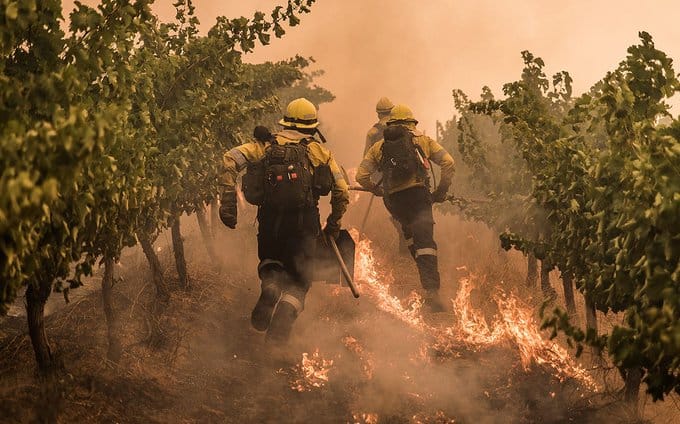
“Teams are operating on sheer grit and adrenaline,” said CWDM Fire Chief Gerhard Roux, his voice etched with fatigue. “We have fires on several mountains, in farmlands, and threatening urban interfaces. Every time we contain one head, the wind ignites another. Our ground crews, supported by aerial water-bombing helicopters, are working in extreme, dangerous conditions.”
In the tight-knit communities of Idas Valley and on the slopes of Pappegaaiberg, the fear is palpable. Residents watched in horror as the fire, described as a “racing dragon” by one local, descended from the highlands with terrifying speed. Mandatory evacuations were enforced overnight, with families grabbing precious belongings, photo albums, and pet carriers before fleeing to designated safe points at churches and community halls. The Stellenbosch Town Hall has been transformed into a hive of anxious activity, serving as the nerve center for evacuees and relief efforts.
“For us, this isn’t just about property; it’s about our heritage, our livelihoods, and our sense of safety,” said Anika van der Merwe, an Idas Valley resident who spent a sleepless night hosing down her roof. “The sound of the helicopters is constant, but so is the roar of the fire. You can feel the heat in the air. It’s utterly terrifying.”
The fires have erupted during what should be a season of holiday cheer and bustling tourism, delivering a severe economic and emotional blow to the region. Wine farms, many in the crucial pre-harvest phase, are on high alert, with some reporting damage to outbuildings and centuries-old biodiversity. The tourism sector, a lifeblood for the area, faces cancellations and disruption as roads are closed and the famed scenic beauty is shrouded in smoke.
Authorities point to a perilous confluence of factors driving the catastrophe: a sustained and severe drought has left the indigenous fynbos and grasslands tinder-dry; a persistent, strong southeasterly wind (known locally as the “Cape Doctor”) is providing a relentless oxygen supply and spreading embers kilometers ahead of the main fire line; and soaring summer temperatures have created a classic firestorm scenario.
Disaster management teams are appealing to the public for vigilance and compliance. “We urge people not to return to evacuated areas until given the all-clear,” said a municipal spokesperson. “Fallen power lines, unstable burnt trees, and hidden hot spots pose extreme dangers. This is a dynamic situation that can change in minutes.”
As the battle enters another critical day, the spirit of the Winelands is being tested. Community groups are mobilizing, providing sandwiches, water, and support to exhausted firefighters. Offers of shelter for displaced families and animals are flooding in on social media. Yet, underlying the solidarity is a deep anxiety, a recognition that the fight is far from over, and that the beloved landscape may be scarred for years to come.
For now, the heroes are the men and women in yellow suits, faces smudged with ash, standing between the flames and their homes. And for the families waiting in halls and with friends, the hope is for a shift in the wind, a drop in temperature, and the courage to rebuild whatever may be lost when the smoke finally clears.
About The Author