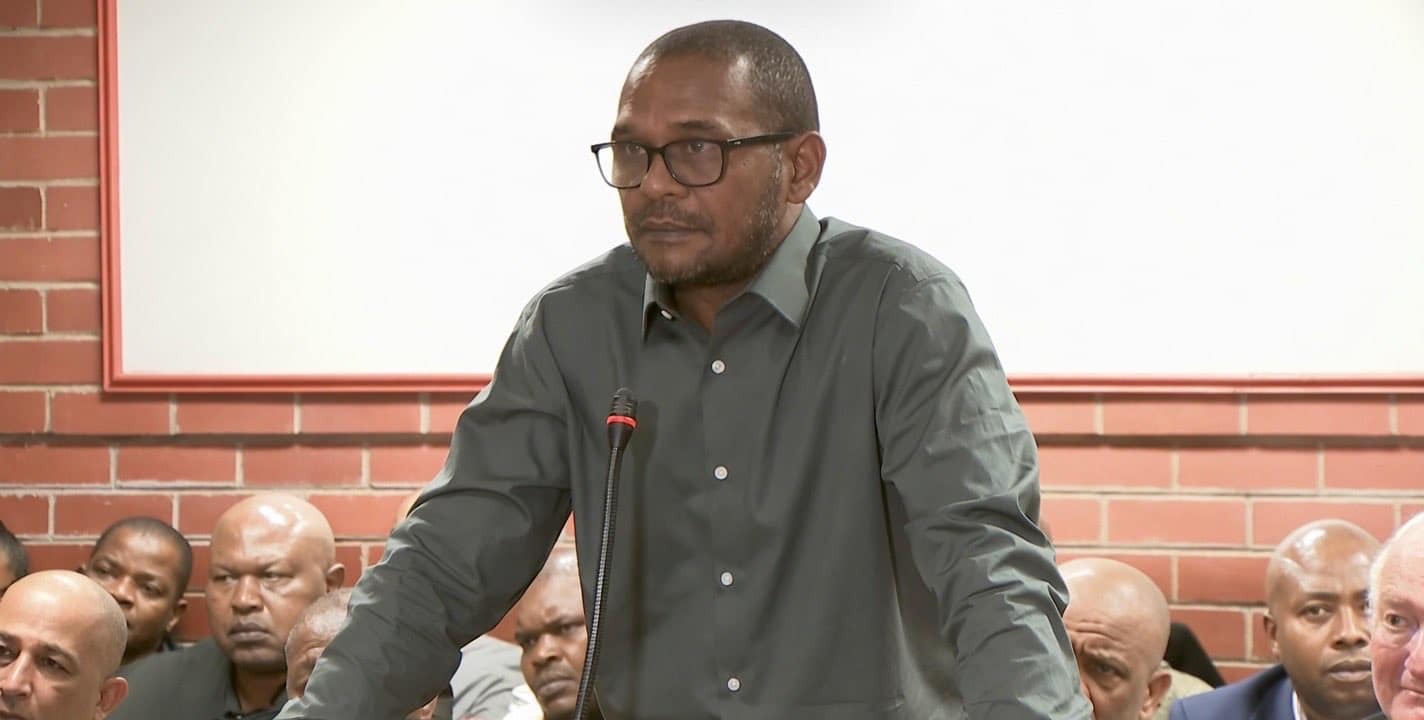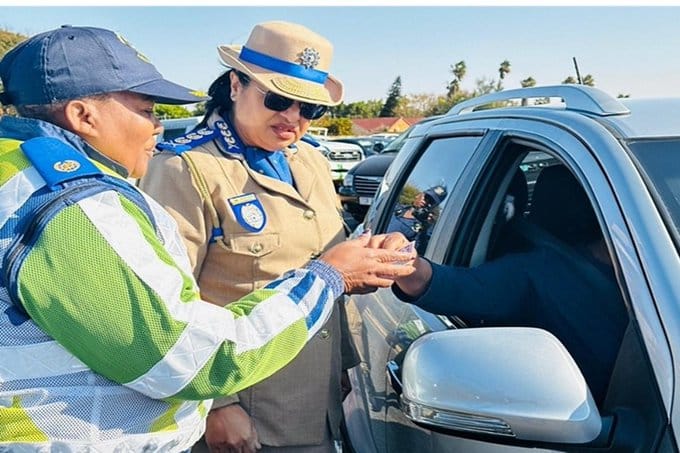
A dark cloud has descended on the headquarters of the Tshwane Metro Police Department (TMPD) this week, as its newly appointed acting head, Chief Superintendent Mpho Tsotetsi, broke his silence on what he described as “institutionalized looting” within the very unit sworn to uphold the law.
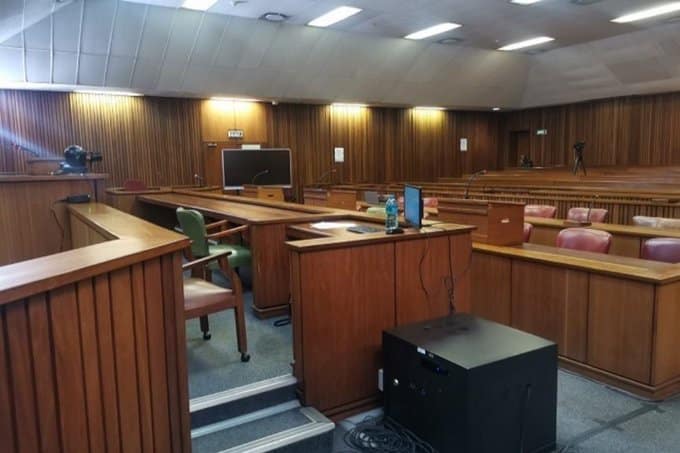
Speaking to a closed session of the city’s Mayoral Committee for Community Safety, an ashen-faced Tsotetsi detailed the findings of a preliminary internal audit, which has allegedly uncovered a sophisticated, multi-layered scheme to siphon public funds over a period of at least three years.
“The level of betrayal is beyond comprehension,” Tsotetsi said, his voice trembling with a mixture of rage and dismay. “We are not talking about a single rogue officer pocketing a bribe. We are talking about a system—a parallel economy—built inside our own fleet management and overtime processing units.”
The investigation, launched two weeks ago after a whistleblower tip-off, has reportedly flagged over R12 million in irregular transactions. Sources close to the probe describe a web of ghost employees, falsified vehicle maintenance invoices, and a shadowy roster for “special operations” that, upon scrutiny, never took place.
According to the leaked preliminary report, the alleged siphoning worked on three levels:
- The Ghost Fleet: Mechanics and supply chain officers allegedly colluded to approve payments for the “repair” of metro police vehicles that were never brought into the workshop. In one glaring example, the system shows that three specialized interceptors underwent complete engine overhauls in February—yet CCTV footage from the municipal garage shows those same vehicles parked in the same spots, untouched, for the entire month.
- Overtime Fraud: A senior administrator within the human resources division is suspected of manually approving overtime claims for officers who were on annual leave, sick leave, or even suspended from duty. The scheme allegedly used dormant login credentials of former supervisors to authorize the payouts, which were then funneled into a network of over 20 private bank accounts not registered with the department.
- The “Ghost Unit”: Most disturbingly, investigators have found evidence of a phantom tactical response team that existed only on spreadsheets. For eighteen months, the unit claimed to be conducting anti-hijacking patrols in high-risk areas like Soshanguve and Mamelodi. Not only did the operations never happen, but three of the “officers” listed on the team’s payroll have been identified as civilians—including a cousin of a now-suspended logistics manager.
The political fallout was immediate. Tshwane Mayor Cilliers Brink called an emergency press conference, distancing the coalition government from the “old guard” within the metro police. “This is not a leak; this is a hemorrhage of public trust,” Brink stated. “We are opening the doors for the Hawks and the Special Investigating Unit. No one—regardless of rank or political connection—will be spared.”
However, the crisis deepened when the Police and Prisons Civil Rights Union (POPCRU) issued a counter-statement, accusing the city leadership of a “witch hunt” designed to discredit the TMPD ahead of budget negotiations.
Outside TMPD headquarters, the mood among rank-and-file officers was one of bitter humiliation. “We risk our lives every day on these streets,” said a sergeant who requested anonymity for fear of reprisal. “And now, because a few fat cats in the back office were printing money, the whole city is going to look at every single one of us like criminals. It makes my blood boil.”
Chief Superintendent Tsotetsi has since suspended seven senior officials, including two colonels and a civilian financial controller. Their offices on the fourth floor have been sealed with red evidence tape. Meanwhile, forensic auditors are now tracing whether any of the siphoned funds were used to purchase luxury vehicles or properties.
For a department already struggling with low morale, aging equipment, and soaring crime statistics in the capital, this scandal threatens to be an existential blow. As one investigator put it, closing the file on the stolen money may be possible—but closing the wound in the TMPD’s reputation will take a generation.
About The Author