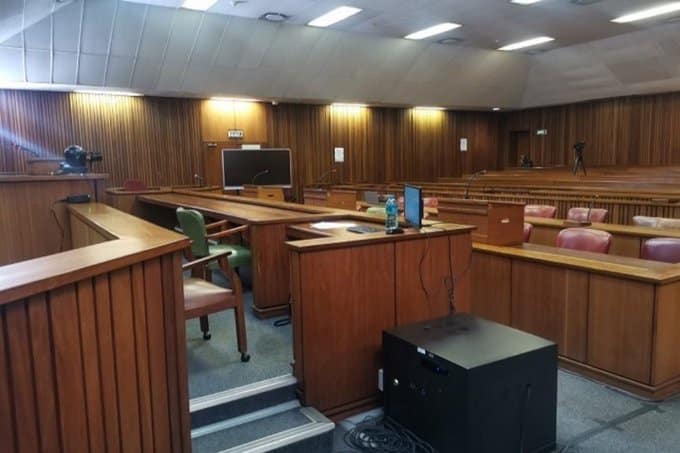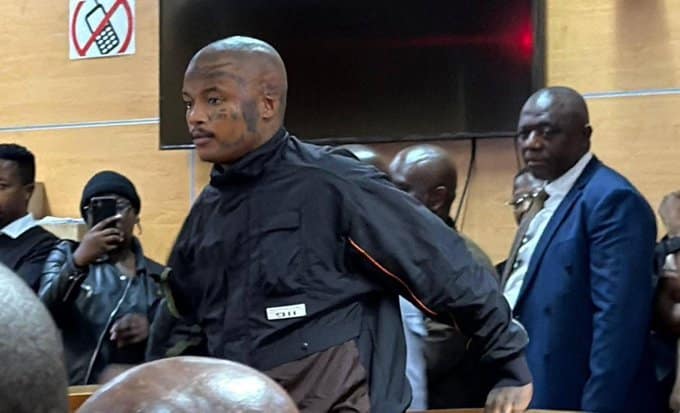
The Polokwane Magistrate’s Court has ordered controversial musician and performer Lehlogonolo “Shebeshxt” Chauke to remain in custody, denying his bail application following a tense hearing on Monday. The ruling marks a significant setback for the 30-year-old artist, who now faces spending the entirety of the festive season and beyond behind bars as he awaits trial on a series of serious charges stemming from a violent October incident.
Magistrate Thandiwe Nkosi found that the state had successfully demonstrated substantial grounds for Chauke’s continued detention. Central to the court’s decision was the “overwhelming” evidence of a pattern of violent behaviour and the perceived risk that he would evade trial or interfere with witnesses.
The State’s Case: A Pattern of Violence
The prosecution presented a detailed account of the events of 19 October 2025 in the Ladanna township. According to the lead investigator’s affidavit, Chauke allegedly confronted two men near his vehicle before producing a firearm and firing several shots. One victim, Tebogo Moagi, sustained a severe gunshot wound to the jaw and remains in a critical but stable condition at Polokwane Provincial Hospital, requiring extensive reconstructive surgery. The second victim escaped unharmed.
Crucially, the state introduced evidence of Chauke’s previous encounters with the justice system. It was revealed that the artist is currently out on bail for two separate cases of attempted murder, having posted R5,000 in each instance. Prosecutors argued this history, combined with the severity of the new charges—which include attempted murder, assault with intent to do grievous bodily harm, and the illegal possession of a firearm and ammunition—painted a picture of an individual for whom bail had become a mere “revolving door,” failing to act as a deterrent.
“The accused has demonstrated a blatant disregard for the authority of the court and the safety of the community,” argued State Prosecutor Advocate Mpho Modiba. “He perceives bail not as a privilege contingent on good behaviour, but as a transaction. Releasing him into the same environment where these alleged acts occurred poses a direct threat to the administration of justice.”
Defence Arguments and the Court’s Rejection
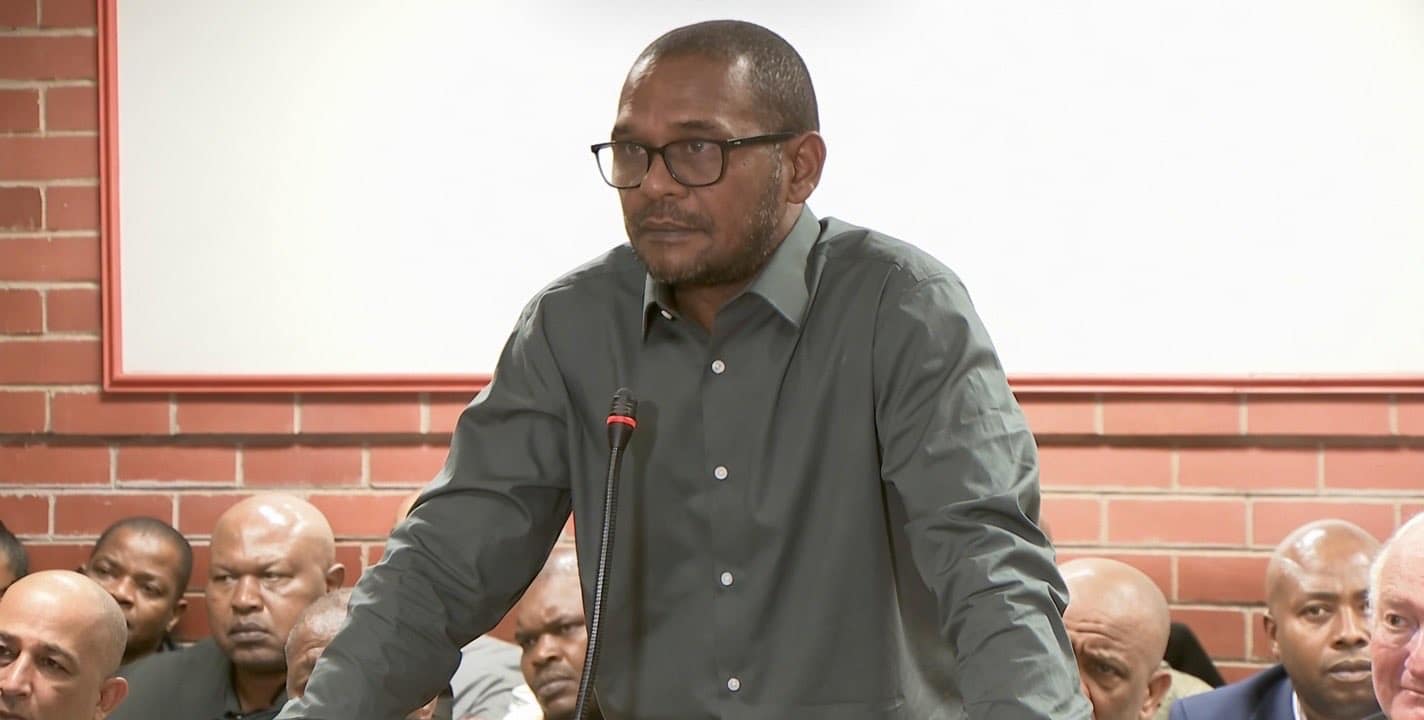
Chauke’s defence team, led by attorney Kabelo Mokoena, argued for his release on stringent conditions, including the surrender of his passport, daily reporting to a police station, and a prohibition on contacting state witnesses. Mokoena stressed that his client was a primary caregiver for his minor child and that his detention would cause severe financial hardship for his dependents, given his packed performance schedule.
However, Magistrate Nkosi found these arguments insufficient to counter the state’s concerns. “The court cannot ignore the pattern that is emerging,” she stated in her ruling. “The nature and gravity of the current charges, viewed in the context of pending matters of a similar violent nature, lead this court to a singular conclusion: that the accused, if released, is likely to undermine the proper functioning of the justice system. The interests of justice do not permit his release at this time.”
Fallout and Future Proceedings
The ruling sent immediate shockwaves through Chauke’s fanbase and the entertainment industry. Numerous high-profile festivals and year-end concerts where he was slated to perform are now scrambling to find replacements. His management team has declined to comment following the verdict.
The case has been postponed to 19 January 2026 for further investigation and trial preparation. For now, the musician once known for commanding exuberant crowds will trade the stage for a prison cell, as the legal system prepares to confront the serious allegations that now threaten to define his legacy far more than his music.
About The Author