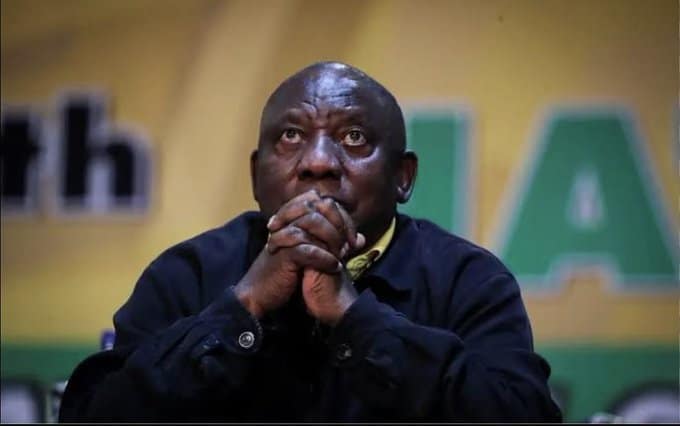
President Cyril Ramaphosa has firmly committed to a stance of constitutional and procedural restraint, stating that any potential action regarding the future of suspended Police Minister Senzo Mchunu will be taken only upon the completion of the Madlanga Commission’s full mandate. This includes not just the receipt of its final report, but the comprehensive closure of all its legal and evidentiary processes.
The President’s position, clarified during a media briefing following the conclusion of a Cabinet Lekgotla, underscores his administration’s intent to navigate the politically sensitive allegations with scrupulous adherence to due process, despite mounting public and political pressure.
“We are a nation governed by the rule of law and the principles of fairness,” President Ramaphosa stated. “The commission, led by Chief Justice Mandisa Maya’s appointee, is an independent judicial process. It is therefore imperative that we allow it to reach its natural, unimpeded conclusion—gathering all submissions, hearing all relevant testimonies, and compiling its final findings. Any premature intervention on my part would not only be inappropriate but could be seen as prejudicing a process designed to ascertain the truth.”
The Core of the Allegations and the Stakes
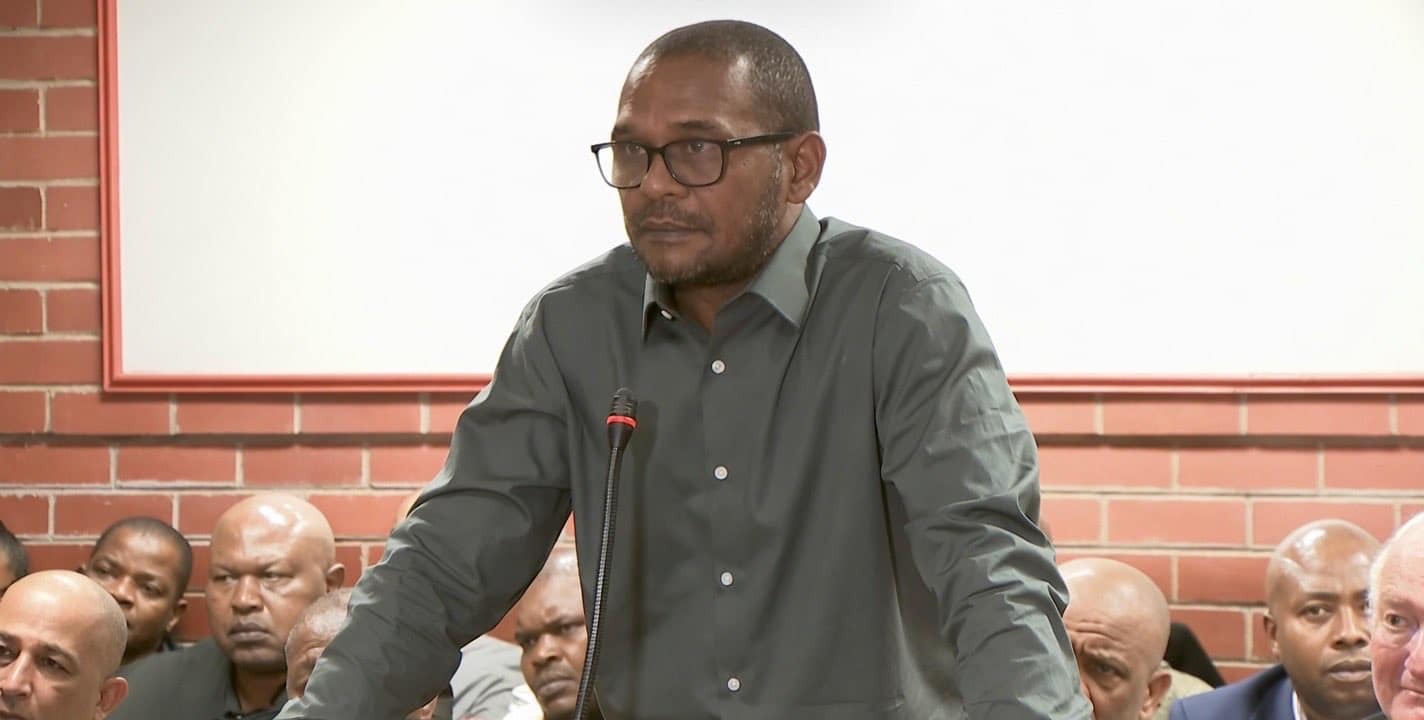
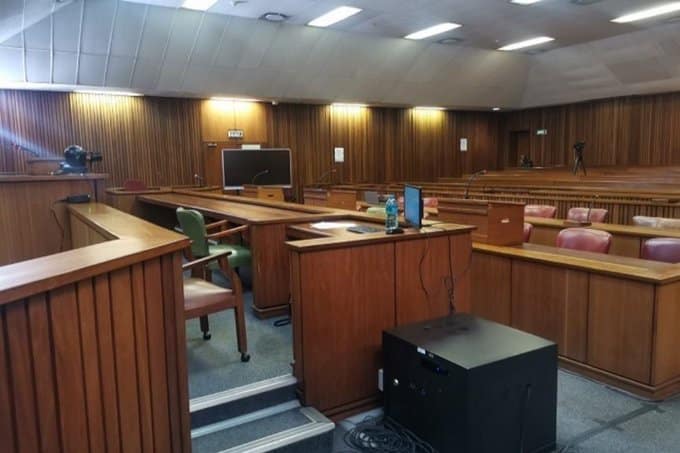
The Commission of Inquiry into the affairs of the South African Police Service (SAPS), chaired by Senior Counsel Thandazani Madlanga, has heard a series of grave allegations against Minister Mchunu. These include claims of improper interference in operational matters, alleged manipulation of procurement processes to benefit certain factions, and accusations of fostering a climate of factional allegiance within the upper echelons of the police service that critics say undermines professional command.
Minister Mchunu, who was placed on “special leave” six weeks ago, has consistently denied any wrongdoing. His legal representatives have participated vigorously in the commission, cross-examining witnesses and submitting detailed exculpatory evidence. They argue that the allegations are a smear campaign driven by those resistant to his reform agenda within the notoriously complex and divided SAPS.
A Delicate Political Calculus
The President’s wait-and-see approach is a careful political calculus. On one hand, the National Union of Police and several opposition parties, notably the Democratic Alliance and the Economic Freedom Fighters, have demanded Mchunu’s immediate permanent removal. They argue that the seriousness of the testimony already heard has irrevocably damaged his credibility and ability to lead a critical ministry, and that every day he remains on leave undermines public confidence in law enforcement.
On the other hand, powerful factions within the ruling African National Congress (ANC), particularly from Mchunu’s home province of KwaZulu-Natal, view the commission with deep suspicion. They see it as a potential weaponization of a state inquiry for political ends and have rallied behind the minister, urging the President to respect the presumption of innocence.
“President Ramaphosa is walking a tightrope,” observed political analyst Professor Mcebisi Ndletyana. “A swift dismissal would please the public and opponents but could ignite a volatile internal party rift and be legally challenged as premature. Inaction, however, paints him as weak and indecisive, especially amidst a persistent crime crisis. His refuge in strict procedure is legally sound but politically risky, as it prolongs a period of damaging uncertainty at the heart of the state’s security apparatus.”
The Road Ahead: Timeline and Implications
The Madlanga Commission secretariat has indicated that the witness phase is nearing completion, with final legal arguments from all implicated parties scheduled for the coming weeks. The drafting and submission of the final report to the President is expected within the next two to three months.
Upon receipt, President Ramaphosa and his legal advisors will scrutinize the findings and recommendations. The range of possible outcomes is broad: from the commission clearing Mchunu of substantive misconduct, leading to his reinstatement, to a finding of grave ethical or legal breaches, which would necessitate his formal dismissal and potentially trigger criminal referrals to the National Prosecuting Authority (NPA).
“The President’s statement makes it clear: the commission’s work is the sine qua non—the essential prerequisite,” said constitutional law expert Advocate Phetho Mogoje. “He has bound his executive action to the completion of this judicial process. This sets a significant precedent for how inquiries of this nature should be treated, insulating them from political interference until the very last word is written.”
For now, the Ministry of Police remains under the stewardship of its Deputy Minister, who is acting in the role. The nation, and the anxious corridors of power in Luthuli House and Union Buildings, now await the final gavel of the Madlanga Commission, which will set the clock ticking on one of the most consequential decisions of Ramaphosa’s second term.
About The Author