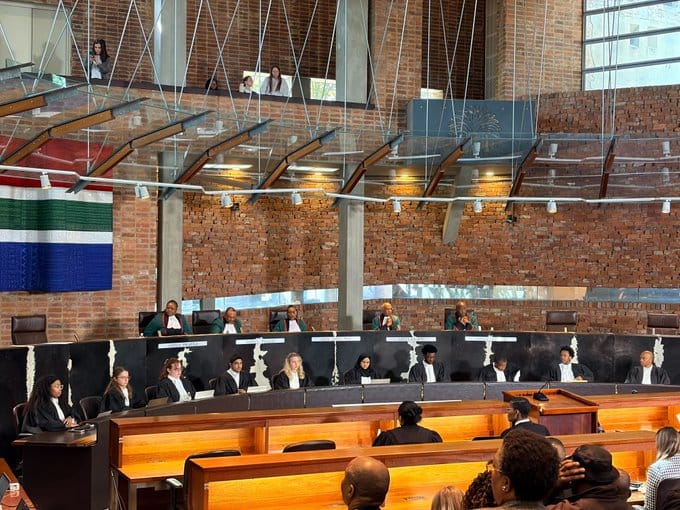
Beneath the rolling landscapes of the North West province, where the earth holds some of the world’s richest deposits of platinum, chrome, and other precious minerals, a silent but devastating crisis is unfolding. The North West Provincial Legislature’s Portfolio Committee on Economic Development, Environment, Conservation and Tourism has issued a stark warning: illegal mining activities and unauthorised chrome wash plants are spreading at an alarming rate, particularly in the Bojanala and Madibeng areas, leaving a trail of environmental destruction, poisoned water sources, and impoverished communities in their wake.
The committee, which convened an urgent oversight meeting this week, heard troubling evidence from a range of stakeholders, including the Department of Mineral Resources and Energy (DMRE), the South African Police Service (SAPS), the Department of Water and Sanitation, and local traditional leaders. What emerged was a picture of an industry operating almost entirely outside the law—dangerous, lucrative, and increasingly brazen.
“We are not talking about small-scale, artisanal mining here,” said Committee Chairperson, Hon. Lenah Miga, speaking from the legislature in Mahikeng. “We are talking about sophisticated, organised criminal networks that are stripping this province of its mineral wealth, poisoning our rivers, and leaving behind abandoned pits and toxic waste. The communities get nothing but sickness and sinkholes. The criminals get rich. This cannot continue.”
The epicentre of the crisis lies in the Bojanala Platinum District Municipality, which includes the towns of Rustenburg, Brits, and Madibeng. This region is home to some of the largest platinum and chrome reserves on the planet. Legitimate mining houses operate side by side with informal settlements, but in recent years, a shadow industry has exploded: illegal chrome wash plants.
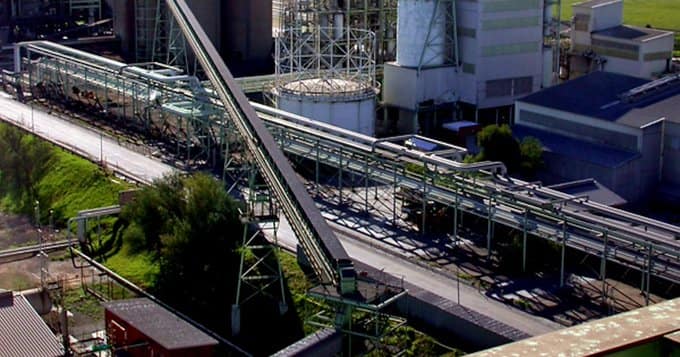
Chrome wash plants are facilities that process raw chrome ore, typically separating the valuable mineral from waste rock using water and chemical agents. When operated legally, they are subject to strict environmental regulations, water use licenses, and safety standards. But the illegal versions—often erected overnight on remote farms, abandoned mining sites, or even on the outskirts of towns—operate with no oversight, no permits, and no regard for human or environmental health.
According to evidence presented to the committee, illegal chrome wash plants have proliferated in the Madibeng area, where criminal syndicates have established sprawling, makeshift operations. These plants use vast quantities of water—often stolen from municipal supplies or pumped illegally from rivers and boreholes—and discharge untreated slurry laced with heavy metals, suspended solids, and chemical residues directly into the environment.
The consequences are devastating. Rivers that once supported livestock, crops, and community drinking water have turned a murky brown or orange. Farmers downstream report dead cattle and failed harvests. Residents complain of skin rashes, respiratory illnesses, and stomach ailments linked to contaminated water. In some villages, the tap water now smells of chemicals, and tankers must deliver drinking water at great cost to the municipality.
“The water is poison,” said Kgosi (Chief) Lucas Mothibe, a traditional leader from a village outside Brits, who addressed the committee via video link. “Our children cannot swim. Our cattle die when they drink from the stream. The fish are gone. The miners come at night with trucks and armed guards. We are afraid to confront them. The police come sometimes, but the miners return the next day. We feel abandoned.”
The economic damage is equally severe. Illegal mining and unlicensed chrome wash plants rob the fiscus of billions of rands in lost taxes, royalties, and export revenues. Legitimate mining companies, which invest heavily in environmental compliance and community development, complain that they are being undercut by illegal operators who bear none of those costs. Furthermore, the illegal activities often take place on or near land that has been set aside for future mining by licensed companies, creating disputes over mineral rights and undermining investor confidence.
The committee also heard that the illegal operations are deeply linked to broader criminal networks. SAPS officials testified that the same syndicates involved in illegal mining are often connected to the smuggling of precious metals, fuel theft, cash-in-transit heists, and even human trafficking. Illegal miners, many of them undocumented foreign nationals, are reportedly subjected to exploitative conditions—paid a fraction of the value of the ore they extract, housed in makeshift camps, and threatened with violence if they attempt to leave.
“We have dismantled several operations in the past year, but it is like cutting the heads off a hydrant,” said a senior police officer who spoke on condition of anonymity due to the sensitivity of ongoing investigations. “By the time we have arrested a few dozen illegal miners, two new wash plants have opened elsewhere. They have lookouts, encrypted communication, and corruption on their side. Some of our own people, I am sad to say, are compromised.”
The provincial Department of Environmental Affairs has issued several compliance notices and shutdown orders in recent months, but enforcement remains a major challenge. Illegal operators often dismantle and move their equipment within hours of a raid, relocating to a new site on a different farm or municipal district. The courts have been slow to prosecute, and fines, when imposed, are often too small to deter well-funded syndicates.
The Portfolio Committee has now called for a multi-pronged emergency response. In a formal resolution passed unanimously, the committee demanded that the provincial government:
- Establish a dedicated, multi-disciplinary task team comprising SAPS, the Hawks, the DMRE, the Department of Water and Sanitation, and environmental inspectors to conduct daily, intelligence-led raids in hotspot areas.
- Work with the National Prosecuting Authority (NPA) to prioritise the prosecution of illegal mining kingpins, not just low-level zama zamas.
- Launch a comprehensive audit of all chrome wash plants in the province, with immediate closure and criminal charges for any operating without valid licenses.
- Deploy mobile water testing units to affected communities and publish the results transparently.
- Work with traditional leaders to set up community-led monitoring systems, with anonymous tip lines and rewards for information leading to arrests.
“We need a war chest and a war room,” Hon. Miga said. “This is not a minor regulatory issue. This is an environmental crime, an economic crime, and a social crime all rolled into one. The North West is being looted while our people suffer. The time for reports and polite requests is over. We want action, and we want it now.”
The committee has also called on the national Minister of Mineral Resources and Energy to urgently review the licensing framework for chrome wash plants, which many argue contains loopholes that allow illegal operators to masquerade as legitimate recyclers or small-scale miners. A possible moratorium on new chrome wash plant licenses in hotspot areas is also under consideration.
For the communities of Bojanala and Madibeng, the legislature’s strong words offer a glimmer of hope. But after years of broken promises, many are skeptical. “We have seen politicians come and go,” said Maria Semenya, a grandmother living near an illegal wash plant in Madibeng. “They speak big words in Mahikeng. Then they go back to their offices, and the trucks come again at midnight. The only thing that will change this is when someone goes to jail. A big someone. Not the poor man with the shovel.”
As the sun set over the North West, the illegal chrome wash plants continued to hum—a dark, industrious symphony of extraction and destruction. Whether the legislature’s alarm will translate into meaningful enforcement remains to be seen. But one thing is clear: the earth is bleeding, the water is turning, and the patience of the people is running dry.
About The Author