In the labyrinthine belly of the Durban Harbour, where the clang of container cranes never truly ceases and the salt-tinged air carries the diesel hum of a thousand trucks, an intelligence-driven operation reached its climax in the pre-dawn hours of May 5. For weeks, a joint task force of the KZN police, customs officials, and maritime intelligence analysts had been watching. Their target wasn’t a flashy speedboat or a private yacht, but something far less conspicuous: a fleet of aging inter-city buses, freshly offloaded from a cargo ship that had sailed across the Atlantic from South America.
Under the cover of darkness, officers moved with surgical precision. They broke the seals on the containers housing the vehicles, their flashlights cutting through the stale air. Unlike the random smuggling attempts often foiled at the port, this operation was the result of a digital and physical paper trail. The previous week, a similar bust in Gauteng had netted a smaller shipment of cocaine—a “taster” for the market, some investigators speculated. When suspects in that case were interrogated, they inadvertently pointed intelligence toward a much larger shipment still at sea.
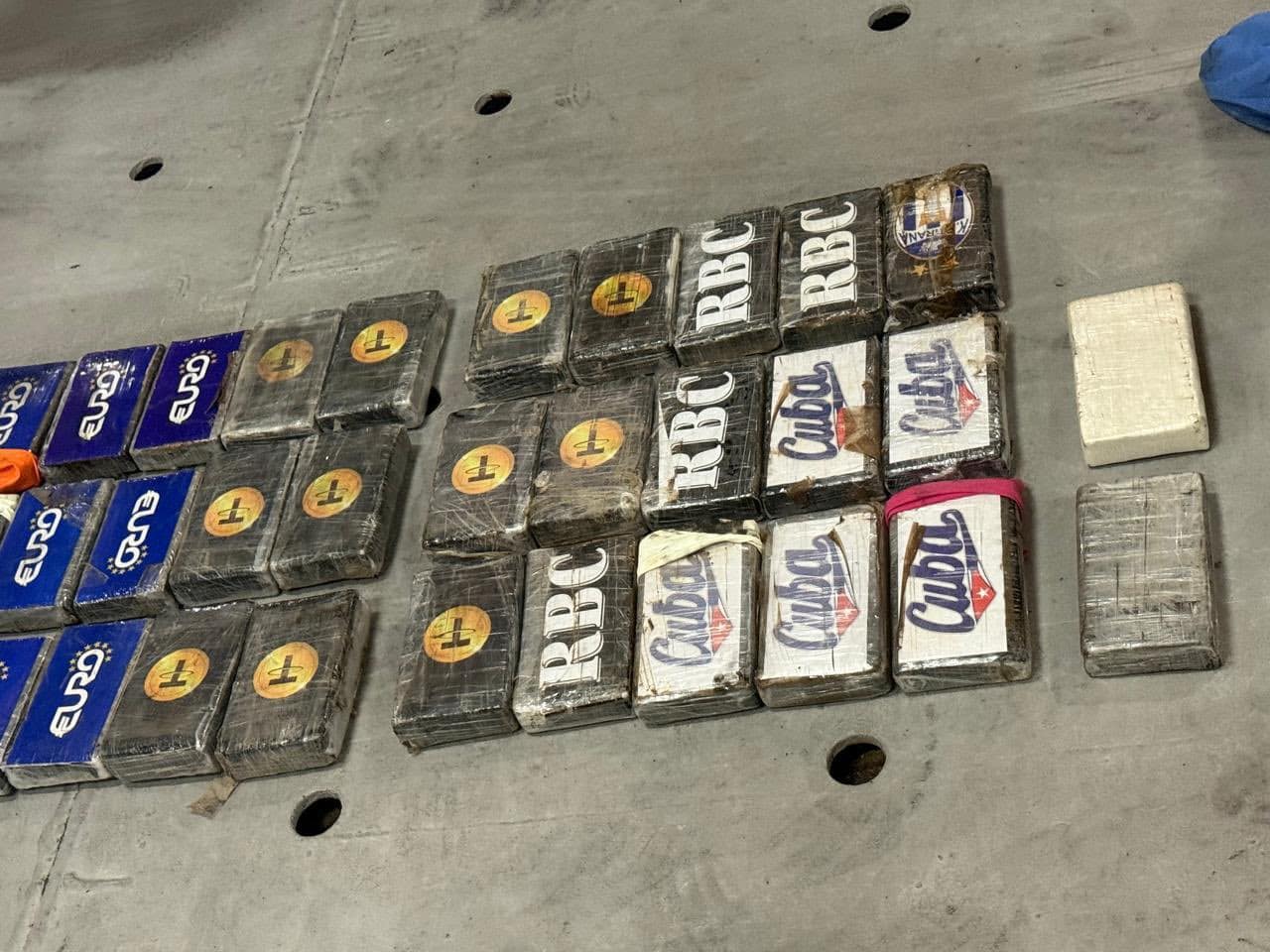
Hidden within double-paneled walls, beneath the bolted-down rubber flooring of the passenger cabins, and cleverly disguised within the air brake reservoirs of three luxury long-distance coaches, the police found their prize. Wrapped in vacuum-sealed plastic, coated in grease to fool sniffer dogs, and stamped with faux industrial logos, the bricks of powder totaled roughly 40 kilograms. With a street value of R13 million, the haul was enough to cut and package into over 100,000 individual doses, destined for the party circuits and drug dens from the Johannesburg CBD to the affluent suburbs of Pretoria.
The choice of transport was diabolically simple. Inter-city buses traverse the N3 highway from Durban to Gauteng daily, a constant river of legitimate commerce. Behind their darkened windows, a few bricks hidden in a maintenance hatch would disappear among the luggage, the commuters, and the hawkers. Customs checkpoints rarely pull over a full bus of Sunday churchgoers or weary travelers; the blue and silver coaches are the unassuming arteries of the nation.
But the absence of arrests at the scene left a bitter taste. By sunrise, the buses were impounded and the drugs were being burned at a secure facility, but the traffickers—the “collectors” who were supposed to meet the drivers at a truck stop in the industrial sprawl of Germiston—had vanished, tipped off perhaps by the very silence of the operation. Police commissioner Lieutenant-General Nhlanhla Mkhwanazi admitted in a terse statement that while the product was off the street, “the accountants, the cartel bosses, and the corrupt logistics agents remain on the shore.”
That admission cut to the heart of the public’s frustration. For many South Africans, news of the bust was met not with celebration, but with weary anger. The memory of the 2021 scandal—the brazen theft of 541 kilograms of cocaine from a highly secured police forensic laboratory in Durban—is still a raw nerve. That heist, involving police officers and evidence room clerks, exposed a rot so deep that the stolen drugs effectively vanished into the community, never to be recovered. And more recently, viral videos of dock workers casually removing small packages from containers during lunch breaks have fueled a perception that the port is less a point of entry and more a sieve.
As the sun rose over the harbour, illuminating the towering cranes that handle 60% of South Africa’s container traffic, organized crime expert Julian Rademeyer offered a grim assessment. “Durban is no longer just a port of call; it is a chokepoint that has been compromised,” he told a local news crew. “The sheer volume is the cartels’ greatest ally. For every one container that gets sniffed out by intelligence, ten sail through via bribery or complacency. You aren’t just fighting gangs; you are fighting a system where the weighbridge operator, the night guard, and the logistics manager might all be on the same payroll.”
While forensic teams dusted the driver’s cabin for fingerprints and traced the buses’ ownership through a web of shell companies, the harbour returned to its rhythm. A massive container ship from Santos, Brazil, docked at berth 203. On the harbor front, a police diver surfaced empty-handed, searching for drugs that might have been thrown overboard. The bust was a victory, a headline to soothe the nation. But as the N3 highway filled with morning traffic—including a dozen other buses heading north—the real race had already begun: to find the ghost network behind the iron serpent’s cargo before the next shipment arrives.
About The Author