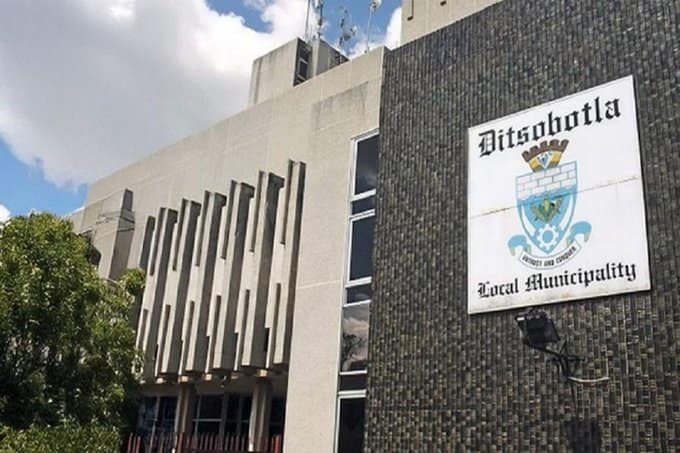
Authorities in KwaZulu-Natal have issued a formal eviction order against the leader of a controversial religious group in the Dabangu area, near KwaMaphumulo, demanding that the community vacate the land where they have been living and worshipping for the past several years. The order, issued by the Maphumulo Local Municipality in conjunction with the Department of Cooperative Governance and Traditional Affairs (COGTA), cites serious concerns over child safety, the denial of formal education, and overall living conditions that officials have described as “inhumane and hazardous.”
The group, which calls itself the “Kingdom of the Divine Light” and is led by a self-proclaimed prophet known as “Brother Nkosi,” has reportedly been operating on privately owned land without formal permission from the traditional authority or the municipality. Neighbors and former members have raised alarms about the group’s practices, including the isolation of children from mainstream society and reports of physical discipline.
The Eviction Order: 30 Days to Leave
According to documents seen by this publication, the eviction order was served on Brother Nkosi on Monday, 20 April 2026. The order gives the group 30 days to vacate the property, which is approximately 15 hectares of rural land situated along the Maphumulo River. The order states that failure to comply will result in the demolition of all structures and the arrest of anyone remaining on the property after the deadline.
“The municipality has determined that the continued occupation of this land poses an imminent risk to the health, safety, and well-being of the occupants, particularly the minor children residing on the premises,” the order reads. “The living conditions are unsanitary, the structures are substandard and dangerous, and there is credible evidence that children are being denied access to formal education as required by South African law.”
Maphumulo Local Municipality spokesperson Thandi Khumalo confirmed the eviction order but declined to provide further details, citing the ongoing legal process. “We are dealing with a sensitive matter involving children and religious freedom. The municipality has a duty to protect vulnerable residents. We have issued the order. The rest will be handled by the relevant authorities.”
The Religious Group: A Closed Community
The “Kingdom of the Divine Light” has operated in the Dabangu area since approximately 2019, though its origins trace back to a splinter group formed in the Pietermaritzburg area in the early 2010s. The group’s leader, Brother Nkosi—whose full name is understood to be Thamsanqa Nkosi, a 54-year-old former taxi driver—claims to have received a divine revelation instructing him to establish a self-sufficient community separate from “the corruptions of modern society.”
Estimates of the group’s size vary, but local sources suggest there are between 80 and 120 members, including approximately 40 children ranging in age from infants to teenagers. Members live in makeshift dwellings constructed from corrugated iron, wooden planks, and plastic sheeting. There is no electricity, no running water, and no sanitation facilities beyond basic pit latrines.
“We have no problem with people worshipping however they choose,” said Mkhosi Maphumulo, a local traditional leader who has been monitoring the group for several years. “But when children are involved, there are lines that cannot be crossed. These children are not going to school. They are not seeing doctors. They are being raised in isolation. That is not religion. That is neglect.”
Child Safety Concerns: The Heart of the Matter
The primary driver of the eviction order appears to be the welfare of the children living within the group. According to a report compiled by the KwaZulu-Natal Department of Social Development following a site visit in February 2026, none of the school-aged children in the community are enrolled in any formal educational institution. Some have never attended school at all.
“The department’s assessment found that the community operates its own informal ‘school’ led by Brother Nkosi, which teaches only religious texts and basic literacy,” the report states. “There is no curriculum, no qualified teachers, and no oversight. Children are not being prepared for any form of formal employment or further education. This constitutes a violation of the South African Schools Act, which mandates compulsory education for all children between the ages of 7 and 15.”
The report also raised concerns about physical safety. Many of the dwellings are structurally unsound, with exposed wiring, sharp metal edges, and unstable foundations. There is no fire safety equipment, and the nearest clinic is more than 15 kilometers away on unpaved roads that become impassable during heavy rains.
“We saw children playing near open fires with no adult supervision. We saw toddlers crawling on floors littered with debris and animal waste. We saw a child with what appeared to be an untreated skin infection that had become severely inflamed,” the report continues. “These are not conditions in which any child should be raised.”
Allegations of Physical Discipline
Perhaps the most troubling allegations come from former members of the group, some of whom have spoken to social workers and journalists about their experiences. Several former members have alleged that Brother Nkosi uses corporal punishment to discipline both children and adults, including beatings with a wooden rod and periods of isolation in a small, windowless structure referred to as “the prayer closet.”
“I was there for three years. I left because I could not watch what was happening to the children anymore,” said a former member who spoke on condition of anonymity for fear of retaliation. “The prophet believes that sparing the rod spoils the child. But it was not discipline. It was cruelty. I saw a 10-year-old boy beaten until he could not sit down for a week. I saw a young girl locked in the prayer closet for two days because she asked for food outside of meal times.”
Brother Nkosi has denied all allegations of abuse through his legal representative, Advocate Sipho Zulu. “My client is a man of God who has dedicated his life to serving a community of believers. Any suggestion of child abuse or criminal conduct is categorically false. The children are loved, cared for, and educated in accordance with the community’s religious beliefs. The state has no right to interfere with the religious practices of a peaceful community.”
Zulu added that the group intends to challenge the eviction order in the High Court, arguing that it violates the constitutional rights to freedom of religion, assembly, and dignity.
The Response from Traditional and Government Authorities
The eviction order has been supported by the local traditional council, which has long opposed the group’s presence in the area. Inkosi Mkhosi Maphumulo told this publication that the land in question belongs to the Maphumulo traditional authority and was never lawfully allocated to Brother Nkosi or his followers.
“They arrived one day and simply started building. No permission was sought. No permission was granted. They have ignored our requests to leave for years,” Inkosi Maphumulo said. “We are a peaceful community. We respect all religions. But we also respect the law. You cannot take land that is not yours and then claim religious persecution when you are asked to leave.”
The KwaZulu-Natal Department of Social Development has confirmed that it is working with the municipality to ensure that the eviction, if carried out, is done in a manner that protects the welfare of the children. This includes arranging temporary shelter, medical assessments, and educational placement for any minors who are displaced.
“We cannot allow children to remain in a situation that endangers their health and development,” said MEC for Social Development, Nonhlanhla Khoza. “We are not trying to destroy a religious community. We are trying to save children. If the adults wish to continue their religious practices elsewhere, that is their right. But they cannot do so at the expense of children’s basic human rights.”
The Broader Context: Religious Groups and State Oversight
The Dabangu case is the latest in a series of confrontations between South African authorities and isolated religious communities. In recent years, similar disputes have arisen involving groups in Limpopo, the Eastern Cape, and KwaZulu-Natal, with authorities struggling to balance constitutional protections for religious freedom with the state’s duty to protect children and vulnerable adults.
In 2023, a group in the Eastern Cape was evicted after reports emerged of child marriages and the denial of medical care. In 2024, a Limpopo-based group was investigated for operating an unregistered school that taught only creationism and apocalyptic prophecy.
“We have a constitutional democracy. Religious freedom is protected, but it is not absolute,” said legal expert Professor Phephelaphi Dube of the University of KwaZulu-Natal. “When religious practices cause demonstrable harm—especially to children—the state has both the right and the duty to intervene. The challenge is doing so in a way that is proportionate, respectful, and legally sound.”
Dube noted that the courts have generally supported state intervention in cases involving child neglect, even when the neglect is framed as a religious practice. “The paramountcy principle in South African law is clear: the best interests of the child come first. No religious belief can override that.”
Voices from the Community: Divided Opinions
The Dabangu eviction order has divided opinion within the wider KwaMaphumulo community. Some residents support the authorities, expressing frustration that the group has been allowed to operate for so long without interference.
“Those people keep to themselves, but we see what happens. The children look malnourished. They never leave the property. It is not normal,” said a local shopkeeper who asked not to be named. “I am glad the government is finally doing something.”
Others, however, have expressed sympathy for the group, noting that many members appear to be sincere believers who have chosen a simple, devout lifestyle.
“They are not bothering anyone. They are peaceful. They pray and work and raise their children. Why must the government destroy their home?” asked a neighbor. “If there is abuse, then investigate the abusers. But do not punish everyone.”
Brother Nkosi’s followers have largely remained silent, declining to speak to journalists. However, a small group of women briefly spoke to this publication outside their makeshift church on Tuesday, saying only: “God will protect us. The prophet has done nothing wrong. We will not leave.”
What Happens Next?
The next 30 days will be critical. The group has three options:
- Comply with the eviction order and voluntarily vacate the land by 20 May 2026.
- Challenge the order in court, likely by filing an urgent application in the Pietermaritzburg High Court seeking to have it set aside.
- Refuse to leave, forcing the municipality to seek a court order for forced eviction and, ultimately, the demolition of structures.
If the matter goes to court, it could take months or even years to resolve. In the meantime, the children remain on the property, without formal education or adequate medical care.
The Department of Social Development has indicated that it may seek a separate court order to remove the children from the property immediately, regardless of the outcome of the eviction proceedings. “We are considering all options to ensure the safety and well-being of the minors involved,” MEC Khoza said.
A Moral and Legal Crossroads
The Dabangu case forces South Africans to confront difficult questions: Where is the line between religious freedom and child neglect? How should the state balance the rights of adults to live according to their beliefs with the rights of children to grow up in safe, nurturing environments? And what happens to a community when its entire way of life is declared unlawful?
For the children of the “Kingdom of the Divine Light,” these are not abstract legal questions. They are the reality of their daily lives. They have known no other home. They have known no other family. They have known no other world.
Now, that world is crumbling around them. The eviction order hangs over their heads like a storm cloud. Their leader insists they will not leave. The government insists they cannot stay. And somewhere in between, 40 children wait to learn what will become of them.
About The Author