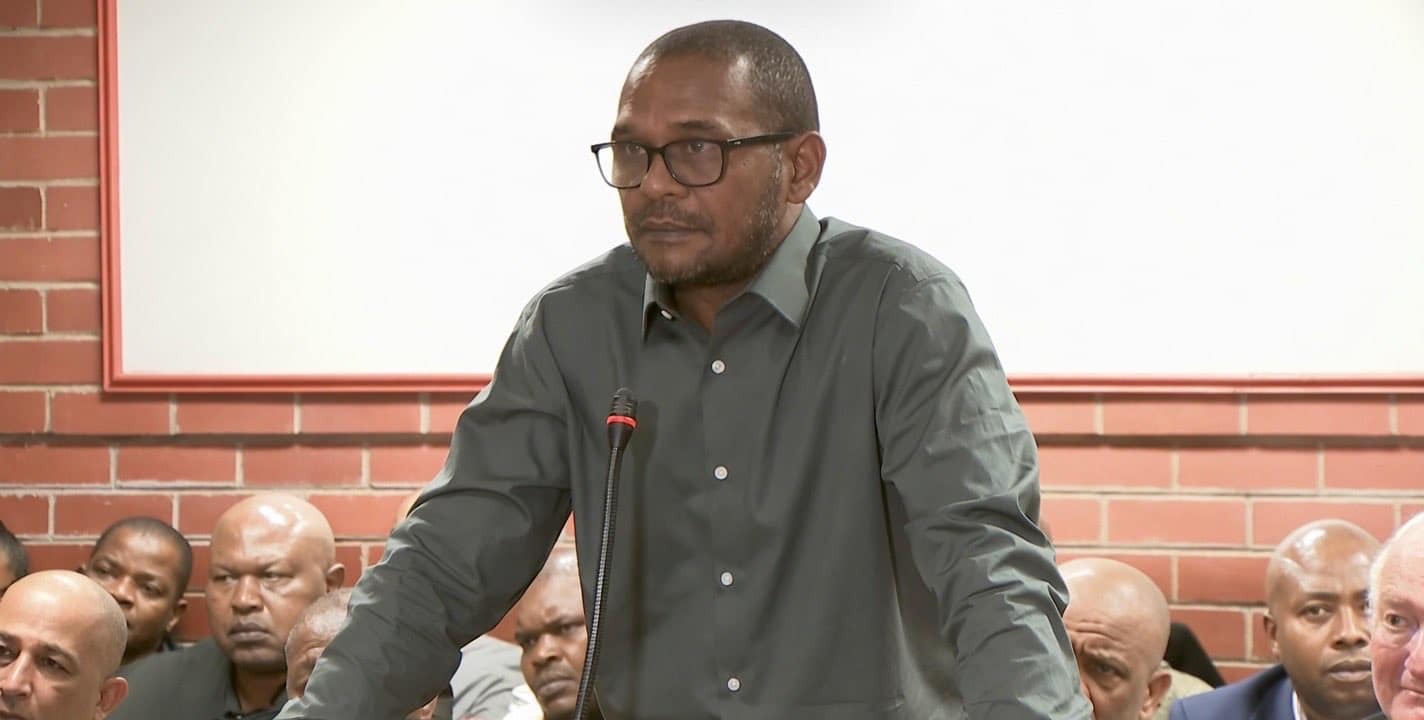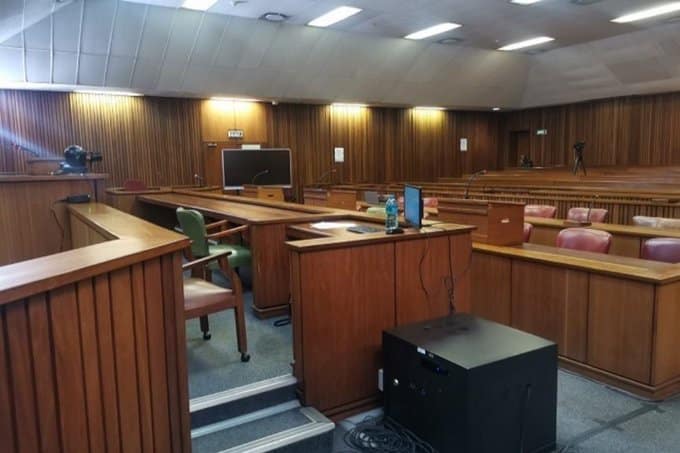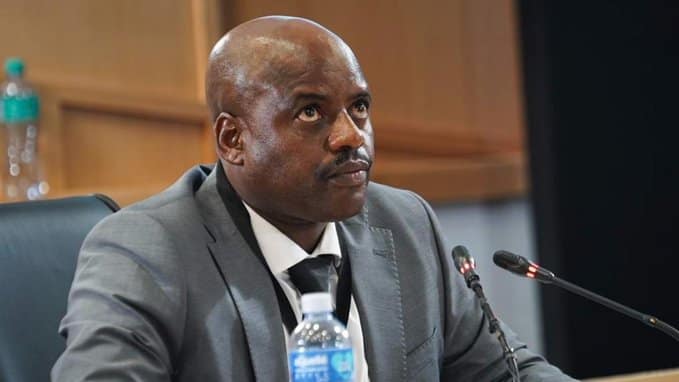
In a startling and revelatory admission, Julius Mkhwanazi, the suspended Deputy Chief of the Ekurhuleni Metropolitan Police Department (EMPD), confessed before the Madlanga Commission that he received personal cash payments from alleged mafia kingpin Vusimuzi “Cat” Matlala. The testimony, delivered on Thursday, peeled back a layer of the controversial relationship between the senior law enforcement official and the figure at the heart of numerous state capture allegations, framing the financial exchanges as acts of friendship during a time of personal need.
Under intense questioning, Mkhwanazi did not deny the monetary transfers but sought to contextualize them as benign support. “I received money from him for things like petrol, food, etc.,” Mkhwanazi stated before the Commission. “When I was suspended, I didn’t have money for food, and he gave me money. We were very close.”
The admission directly followed days of testimony focused on Mkhwanazi’s alleged abuse of power, most notably authorizing the illegal installation of emergency blue lights on Matlala’s private vehicles. While Mkhwanazi has offered shifting explanations for that decision—at times calling it an “error in judgment” and at others suggesting he was misled—the confession of receiving personal funds introduces a tangible, corrupting dynamic to their association.
Cross-Examination Exposes Damaging Contradictions
Commission evidence leaders immediately seized on the admission, using it to challenge Mkhwanazi’s previous characterizations of their relationship as purely professional or casual. The line of questioning aimed to dismantle the “friend in need” narrative and establish a more damning quid pro quo.
“Is it standard practice for a senior police official to be financially sustained by a private citizen under investigation for serious crimes?” asked the evidence leader. “Did these payments for ‘petrol and food’ begin before or after you authorized the blue lights—the very authorization that granted him the privilege and protection of state insignia?”
The Commission heard that Mkhwanazi’s suspension in 2023, which he cited as the period of his financial hardship, was itself related to preliminary internal investigations into misconduct, some of which involved his dealings with Matlala’s network. This created a damaging timeline: an official under internal investigation for his ties to Matlala then turned to Matlala for personal financial support.
“We Were Very Close”: The Blurring of Lines
Mkhwanazi’s repeated assertion that “We were very close” became a central point of scrutiny. Legal and ethics experts following the proceedings noted that this closeness, coupled with financial dependency, represents a catastrophic failure of the ethical walls required of a public official, especially one in law enforcement.
“This is the anatomy of state capture at a personal level,” observed a legal analyst present at the hearing. “It’s not always a massive bribe in a bag. It starts with ‘Let me help you with petrol,’ creating a debt of gratitude. It establishes dependency. Then, when the ‘close friend’ asks for a favour—like blue lights or information or protection—the official is compromised. The line between friend and corruptor is obliterated.”
The admission also raises serious questions for the EMPD’s internal controls and the broader security cluster. Why was a suspended deputy police chief in such dire financial straits that he needed to turn to an alleged criminal for sustenance? And what systems, if any, were in place to monitor and police the relationships between senior officers and private individuals with known links to organized crime?
As Mkhwanazi’s testimony continues, the Commission is expected to press for bank records and a full accounting of all transactions between him and Matlala. His attempt to frame the payments as simple friendship has, instead, provided the Commission with its most concrete evidence yet of a corrupt symbiosis, transforming the abstract concept of “undue influence” into a direct payment for groceries, and in doing so, potentially sealing his own legal and professional fate.
About The Author