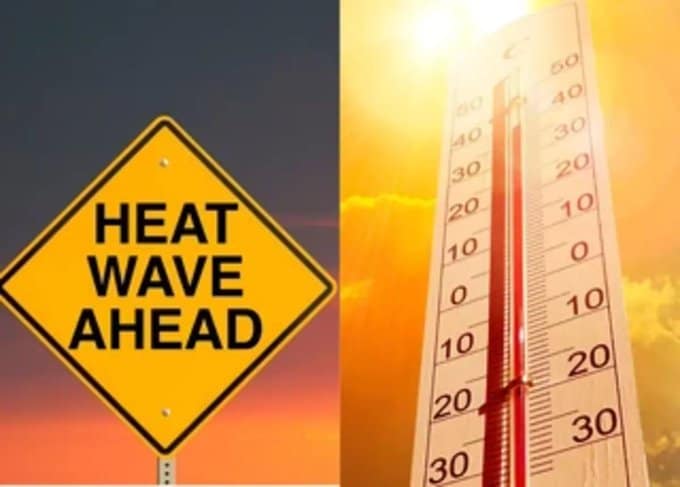
The South African Weather Service (SAWS) has issued a severe heatwave alert for large swathes of the country’s interior, warning residents of the Northern Cape, Free State, and North West to brace for a prolonged and dangerous period of extreme heat. The alert, effective immediately, forecasts scorching conditions that are expected to persist until at least Friday, 30 January 2026, placing vulnerable populations and infrastructure under significant strain.
According to a senior SAWS forecaster, the impending heatwave is the result of a persistent high-pressure system stagnating over the central interior, trapping hot air and suppressing any potential cloud cover or rainfall. “We are not just looking at a single hot day,” the forecaster emphasised. “We are forecasting a consecutive sequence of days where maximum temperatures will exceed the average January maximum by 5°C or more, and where minimum nighttime temperatures will offer little relief. This meets the formal, critical criteria for a severe heatwave.”
The modelling indicates that regions such as the Khāi-Ma and ZF Mgcawu districts in the Northern Cape, the western and central municipalities of the Free State, and the Dr Ruth Segomotsi Mompati and Ngaka Modiri Molema districts in the North West will be hardest hit. In these areas, daytime maxima are predicted to soar persistently between 38°C and 43°C, with some localised valleys potentially experiencing even higher readings. Crucially, overnight lows may not dip below the mid-20s, denying any meaningful respite.
Authorities are urging the public to treat the warning with the utmost seriousness. “This level of heat poses a serious, direct risk to human health,” stated a spokesperson for the National Department of Health. “We are particularly concerned about the elderly, young children, individuals with chronic illnesses, and those working outdoors. Heat exhaustion and heatstroke are real and immediate dangers.”
The SAWS and disaster management services have disseminated a list of critical precautions:
- Hydrate Continuously: Drink plenty of water throughout the day, avoiding alcohol, caffeine, and sugary drinks.
- Stay Indoors: Remain in cool, shaded, or air-conditioned spaces during the peak heat hours of 11:00 to 17:00.
- Dress Appropriately: Wear lightweight, light-coloured, loose-fitting clothing and wide-brimmed hats outdoors.
- Never Leave People or Pets in Vehicles: Interior car temperatures can become lethal within minutes.
- Check on Vulnerable Neighbours and Family Members: Ensure the elderly and those living alone are coping.
Beyond the health implications, the heatwave threatens to strain power grids due to soaring demand for cooling, increase the risk of veld fires in dry vegetation, and potentially impact water supplies in already stressed municipalities. Agricultural unions have also warned of stress on livestock and crops.
The weather service has committed to updating the public daily, noting that while a slight moderation in temperature is anticipated by the weekend, the current forecast shows no signs of significant breaking rainfall for the parched interior. For now, the message to millions across the three provinces is clear: prepare for a siege of sun, and prioritise safety above all else.
About The Author