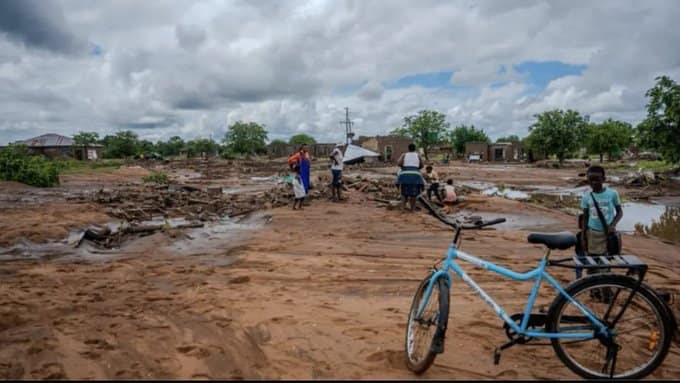
POLOKWANE – A pall of grief and a film of reddish-brown mud now blanket entire communities across Limpopo, as authorities confirmed a grim new toll on Wednesday morning: the devastating floods spawned by relentless, heavy rains have now claimed at least 25 lives. With three individuals still unaccounted for, search and rescue teams are waging a desperate race against time and treacherous conditions, their efforts underscored by a growing sense of despair in the hardest-hit villages.
The latest fatality was discovered at dawn by a search team in a low-lying settlement outside of Giyani, where the overflowing Klein Letaba River reshaped the landscape overnight. The confirmation by the provincial Department of Cooperative Governance, Human Settlements and Traditional Affairs marks a harrowing escalation from earlier counts, underscoring the sheer, unforgiving power of the weather system that has parked itself over the region for days.
“We are confronting a tragedy of immense proportions,” said a visibly exhausted department spokesperson. “Our teams are working non-stop with SANDF personnel, disaster management, and community volunteers, but the conditions remain extremely dangerous. The rains have not stopped, waters are still rising in some areas, and many roads are completely impassable, which is hindering both rescue and relief efforts.”
The missing three—a woman and two children from separate households in the Vhembe district—were last seen before a flash flood surge swept through their homesteads. Helicopter sorties, grounded for hours at a time due to poor visibility, have been deployed when possible to scan the vast, debris-choked floodplains and swollen rivers.
Beyond the human toll, the catastrophe’s footprint is vast. Thousands of residents have been displaced, taking shelter in community halls, schools, and churches hastily converted into emergency shelters. Critical infrastructure has been crippled; major roads, including sections of the N1, are severed by washouts, isolating towns and crippling the delivery of supplies. Power outages are widespread, and water treatment plants have been compromised, raising immediate health concerns.
In the Mopani district, entire villages appear as archipelagoes of rooftops in an inland sea of murky water. “Everything is gone,” said an elderly resident from a makeshift shelter in Tzaneen, clutching a single plastic bag of salvaged belongings. “The maize fields, the livestock, our home… all taken by the water. We have nothing but the clothes we are wearing.”
The provincial government has declared a state of disaster, urgently appealing for national intervention and aid from non-governmental organizations. The immediate needs are dire: potable water, food, blankets, medical supplies, and materials for temporary sanitation. Weather services warn that more heavy showers are forecast for the coming 48 hours, threatening to exacerbate the crisis and further delay recovery.
As the search for the missing continues, a profound sense of mourning has settled over Limpopo. The rising number is not just a statistic; it is a grandmother, a farmer, a child—a community’s fabric torn apart by the waters. The province, known for its rugged beauty and resilient spirit, now faces a long and arduous journey from rescue, to recovery, to rebuilding, all under a still-weeping sky.
About The Author