In a powerful ceremony befitting its royal name, AmaZulu Football Club has unveiled a sweeping new identity, launching a Zulu heritage-inspired logo and its first-ever mascot, a warrior named “Hebe,” to mark its storied 93rd anniversary. The historic reveal at the iconic Moses Mabhida Stadium was more than a simple rebrand; it was a declaration of intent, positioning the club not just as a football team, but as a unifying cultural force for its community and the nation.
The event, pulsating with pride and tradition, celebrated five years of stewardship under the ownership of the Zungu family. President Sandile Zungu addressed a gathering of club legends, current players, key stakeholders, and fervent fans, framing the rebrand as a pivotal moment of return to roots and forward-looking ambition.
A Logo Steeped in Symbolism
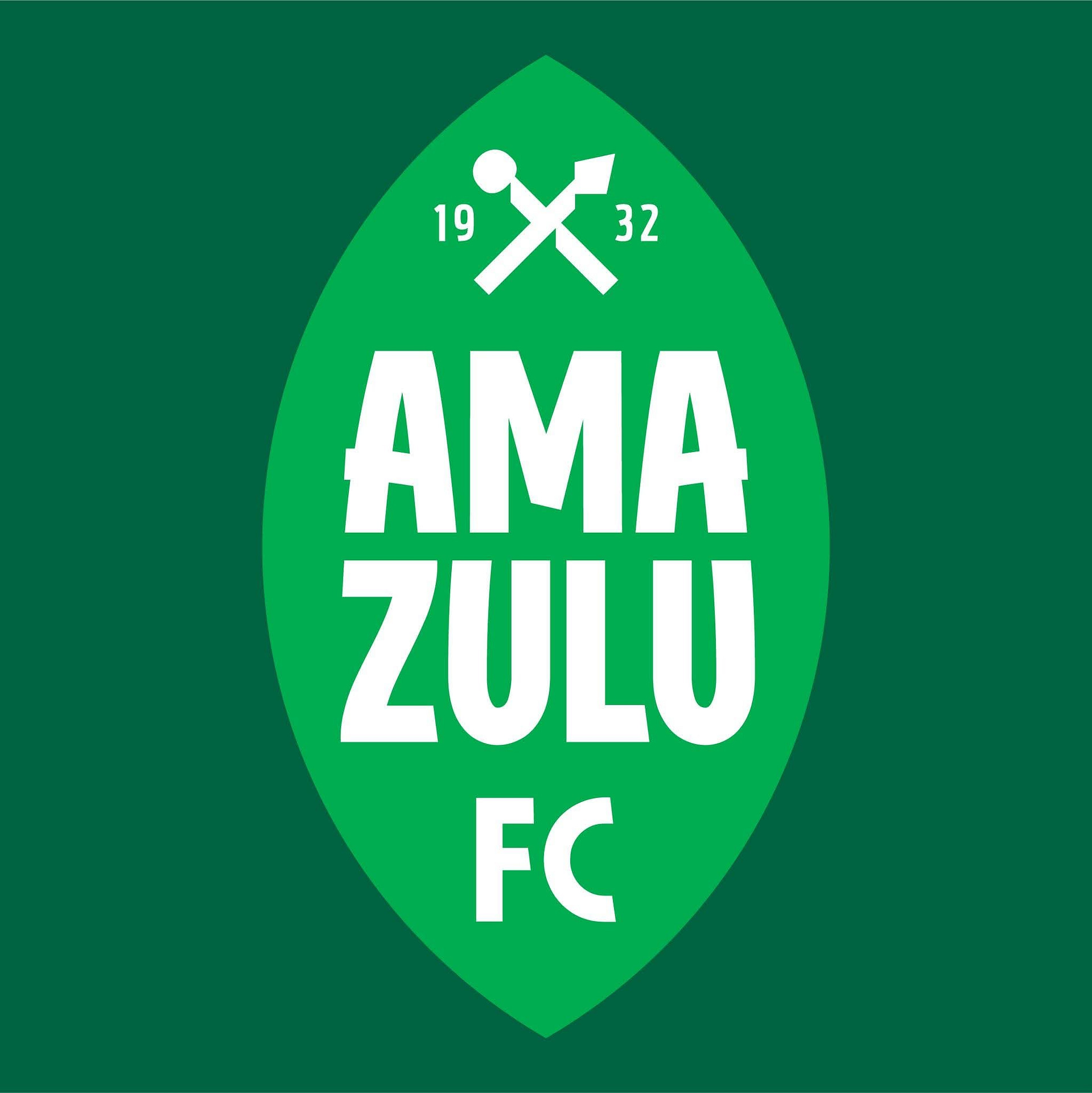
The new club crest is a masterclass in cultural storytelling. Moving beyond a simple graphic update, it is a heraldic shield deeply embedded with Zulu symbolism. Central to the design is the Isiquaba, a traditional shield, representing both defense on the football pitch and the protective spirit of the club for its people. Adorning the shield is the Ugogo, the distinctive headdress worn by married Zulu women, a profound tribute to the matriarchs who are the bedrock of families and communities—and the club’s passionate fanbase.
Flanking the shield are two Knobkerries (izinduku), traditional weapons that symbolize the strength, authority, and warrior spirit of the AmaZulu players. The entire emblem is framed by the Umghele, a necklace of rolled social grass worn by men of high social standing, signifying the club’s prestige and leadership within South African football.
“This is not just a new logo; it is our soul rendered in visual form,” President Zungu stated. “It tells our story, honours our ancestors, and carries the hopes of our people onto the pitch every time our boys step onto the field.”
The Birth of Hebe: The Warrior Spirit
Adding a dynamic new character to the AmaZulu family is the introduction of Hebe, the club’s first official mascot. Appearing in full traditional warrior regalia, complete with a shield and spear, Hebe embodies the fighting spirit, courage, and pride the club seeks to channel. The name “Hebe,” a Zulu word for “to give praise or glory,” was chosen to represent the celebratory and victorious culture the club aims to build. Hebe is poised to become a central figure in matchday entertainment, rallying the stands and connecting with the younger generation of supporters.
A Ceremony of Unity and Power
The unveiling was brought to life with a breathtaking performance by Amabutho (regiments of Zulu warriors), whose rhythmic stomping and powerful chants filled the stadium, linking the club’s modern ambitions to a timeless legacy of strength and unity. The presence of the entire first team, dressed in sharp new suits, alongside club management in traditional attire, created a powerful visual metaphor for the club’s dual identity: deeply rooted in tradition, yet fiercely competitive on the modern global stage.
This strategic rebranding is the cornerstone of a larger vision to transform AmaZulu FC from a football club into a broader “cultural movement.” By intertwining its identity so deeply with Zulu heritage, the club aims to solidify an unbreakable bond with its community, foster immense local pride, and build a brand that resonates far beyond the final whistle. As the club enters its 94th year, it does so not just with a new face, but with a reawakened spirit, ready to write its next chapter as the Pride of KwaZulu-Natal.
About The Author