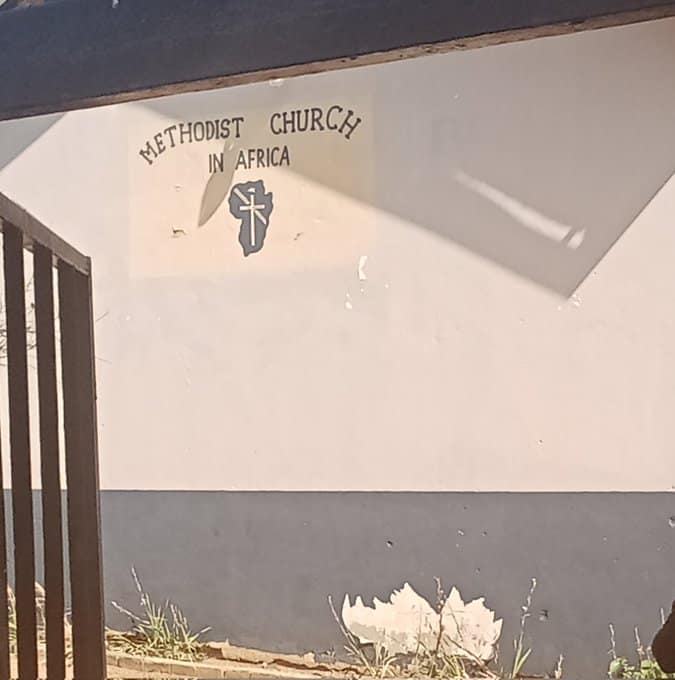
The City of Tshwane’s hard-nosed revenue recovery campaign, known as #TshwaneYaTima, has landed on some unexpected doorsteps—including a church and an upscale café—as officials move decisively to crack down on defaulters ranging from small illegal connectors to institutional debtors owing millions. The latest phase of the operation saw power cut to the Tsweu Lifestyle café, a popular spot in an affluent suburb, as well as a local church and several properties with illegal connections in Mamelodi West. Outstanding debts on the targeted sites ranged from R1.7 million to over R2 million per account.
Utility workers went a step further than simple disconnection, welding shut meter boxes to prevent tampering or reconnection. In addition, affected property owners were slapped with tampering fees of up to R62,000, a penalty designed to deter future bypassing of the system. The campaign, spearheaded by Mayor Nasiphi Moya, is part of an urgent drive to shrink the city’s staggering R13 billion debtors’ book. Tshwane itself owes Eskom R4.73 billion, making every unpaid account a direct threat to the municipality’s ability to keep the lights on elsewhere.
Public reaction to the latest cuts has been a mix of dark humour and approval. After it emerged that Tsweu Lifestyle café had made a token payment of just R60 against its massive debt, residents took to social media with jokes: “That’s one Corona!” laughed one user, referencing the price of a beer. Others were less amused by the café and more supportive of the mayor’s tough stance. “Finally, someone is holding big defaulters accountable,” one Mamelodi resident said. “Why should paying residents suffer while businesses and even churches ignore their bills?”
City officials defended the campaign, stressing that no one—not even a place of worship—is exempt from paying for electricity used. As welding torches cooled and meters went dark, the message from Tshwane was clear: the era of looking the other way is over.
About The Author