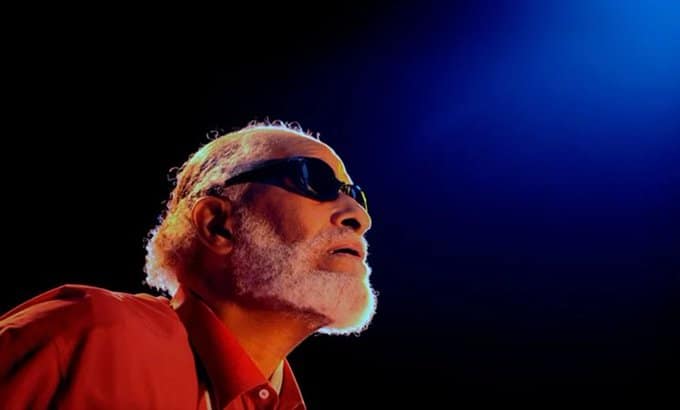
The world of jazz has lost its colossus. Sonny Rollins, the legendary American tenor saxophonist whose bold tone, towering improvisations, and relentless creative evolution redefined the possibilities of jazz, has died at the age of 95. His publicist confirmed on Monday that Rollins passed away peacefully at his home in Woodstock, New York, closing a remarkable chapter in musical history that spanned more than seven decades.
Born Theodore Walter Rollins in New York City in 1930, he emerged from the vibrant Harlem jazz scene as a teenager, quickly earning a reputation as a prodigy. By his early twenties, he had already played alongside legends such as Miles Davis, Charlie Parker, and Thelonious Monk. But it was as a bandleader that Rollins truly became the “Saxophone Colossus”—a nickname that captured both his physical presence and his monumental sound. Albums like Saxophone Colossus (1956), Way Out West (1957), and The Bridge (1962) remain cornerstones of the jazz canon, showcasing his ability to weave complex melodies with spontaneous, almost conversational phrasing.
What set Rollins apart was not merely technical brilliance but an unyielding drive to grow. He famously took a two-year sabbatical from 1959 to 1961, practicing alone on the Williamsburg Bridge in New York, just to rediscover his voice. Later, he incorporated calypso, R&B, and even free jazz into his work, refusing to be boxed into any single style. He continued performing into his eighties, finally retiring from live playing in 2012 due to declining health.
Beyond his Grammy Awards and a National Medal of Arts, Rollins leaves behind a deeper legacy: the idea that music is a living, breathing search for truth. For generations of saxophonists and jazz lovers, he was not just a master but a muse. As tributes poured in from across the globe, one fan wrote simply: “The bridge is silent now. But his horn still echoes.”
About The Author