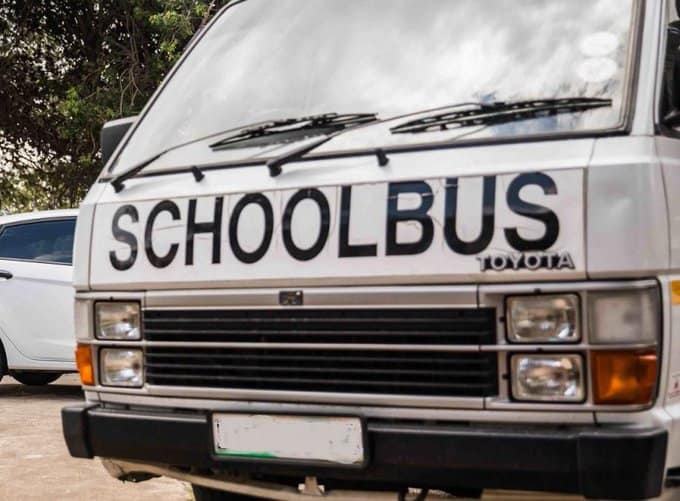
For two agonizing weeks, the dusty roads of Ngqushwa Local Municipality have echoed not with the laughter of schoolchildren, but with an ominous silence. A crippling strike by scholar transport taxi operators has paralyzed learning across this sprawling rural expanse of the Eastern Cape, leaving thousands of pupils stranded at home while classrooms gather dust and chalkboards remain untouched.
The crisis began when taxi operators, who form the invisible backbone of rural education by ferrying children across vast distances daily, downed their keys. The reason, according to local transport forums: unpaid government subsidies dating back several months. Operators claim they can no longer afford fuel, maintenance, or insurance for their fleets, forcing them to choose between financial ruin and abandoning the very children they are contracted to serve.
The human cost is devastating. Each morning now, parents watch helplessly as their children weigh impossible choices—walk treacherous gravel roads where reckless minibus taxis and livestock compete for space, or simply surrender to circumstance and stay home. Some brave learners have attempted the long treks, arriving hours late, exhausted and unable to concentrate. Mothers have formed informal carpooling networks, but with few private vehicles available, the effort barely makes a dent.
“We are failing our children,” one frustrated parent said outside an empty school gate. “They are losing two weeks of their future while adults argue over money.”
The Department of Education has acknowledged the disruption but insists negotiations with operators are ongoing. Emergency contingency plans—including temporary boarding arrangements and mobile classrooms in central hubs—have been proposed but not yet implemented.
As the strike enters its third week, education activists warn of permanent learning loss, particularly for matriculants preparing for final exams. For the children of Ngqushwa, the longest walk is not to school—it is toward a resolution that seems no closer than when the first key was turned off two weeks ago.
About The Author