In a digital age where the line between public persona and private life is increasingly blurred, a single social media post has ignited a firestorm, forcing a conversation about ethics, envy, and the right to a life beyond the spotlight. On October 15, 2025, prominent, and often controversial, South African entertainment blogger Musa Khawula plunged into the private life of actress Lerato Nxumalo, publicly revealing the identity of her husband, Tobias Pettersson, in a move that has been widely condemned as a profound violation.
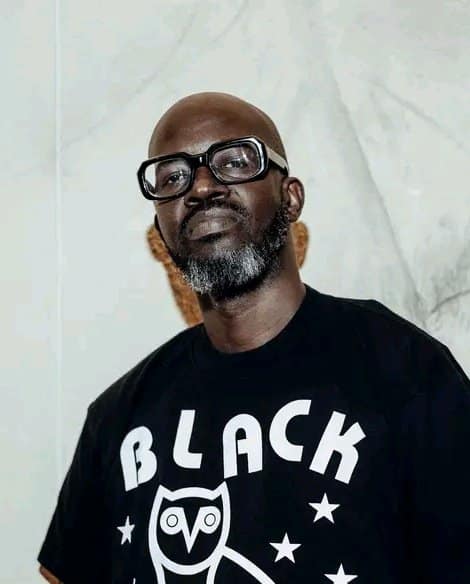
The now-viral post on X, which rapidly amassed over 600,000 views, featured a photograph of the couple and explicitly named Pettersson. Khawula’s accompanying caption carried a tone of accusation, framing Nxumalo’s decision to keep her marriage and partner out of the public eye as an act of deliberate deception. “Why has Lerato Nxumalo been hiding her husband, Tobias Pettersson, from her fans?” the post insinuated, treating the actress’s private choice as a public secret waiting to be uncovered.
The Unwanted Spotlight and Its Ugly Fallout
The immediate aftermath of Khawula’s revelation was a textbook case of online toxicity. By forcibly pulling Pettersson, a private citizen with no presence in the entertainment industry, into the glaring public eye, the post opened the floodgates to rampant body-shaming and cruel commentary about his appearance. The discourse swiftly shifted from any purported “revelation” to a vicious dissection of the man’s looks, with anonymous accounts piling on with unsolicited and deeply personal critiques.
This ugly turn highlighted the very reason many public figures, like Nxumalo, choose to shield their loved ones from the volatile court of public opinion. The intended “exposé” backfired, instead showcasing the brutal reality that celebrities and their families can face.
A Line Crossed: The Backlash and the Defense
The backlash from the public, fellow celebrities, and media ethicists was swift and severe. The narrative was no longer about Nxumalo’s marital status but about Khawula’s ethical breach. Critics universally panned the move as a dangerous overstep, arguing that a person’s choice to keep their family life private is a fundamental right, not a journalistic puzzle to be solved.
“This isn’t journalism; it’s a targeted invasion,” wrote one cultural commentator on X. “Lerato sells her talent, not her marriage certificate. Khawula crossed a line that should never be crossed.”
Supporters of Nxumalo rallied around the hashtags #RespectPrivacy and #HandsOffLerato, passionately defending the actress’s right to establish firm boundaries. Their argument was clear: an actress’s profession does not equate to a blanket waiver on personal privacy. The public’s affection for a celebrity, they contended, does not grant them ownership over every facet of that individual’s life. The defense of Nxumalo became a broader stand against an entitled social media culture that often feels it has a right to unrestricted access.
The Larger Cultural Conflict at Play
This incident is more than a fleeting online scandal; it is a microcosm of the ongoing tension in modern celebrity culture. It pits the insatiable appetite of the digital gossip economy, fueled by figures like Khawula, against the growing demand for personal autonomy and mental well-being in the public eye.
The controversy raises critical questions: Where is the line between public interest and private life? What responsibility do influencers and bloggers have when their “scoops” can lead to real-world harm and harassment? In his quest for clicks and engagement, Khawula successfully captured attention, but at the cost of exposing an innocent man to ridicule and violating the sanctity a beloved actress had carefully built.
As the dust settles, the lingering impact is clear. The conversation has moved beyond Lerato Nxumalo and Tobias Pettersson, becoming a referendum on decency, respect, and the urgent need for healthier boundaries in our relentlessly connected world. The public, in its overwhelming defense of the couple, may have just drawn a line in the sand.
About The Author