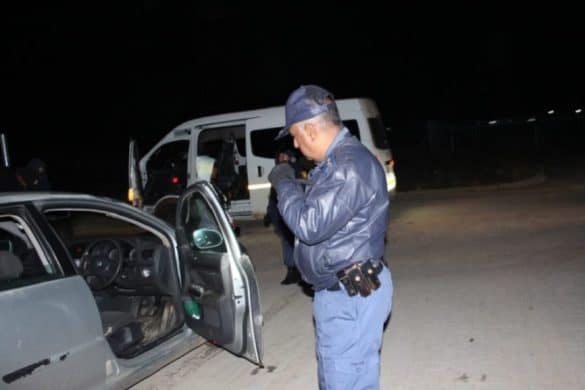
In one of the largest coordinated law enforcement actions in recent South African history, the South African Police Service (SAPS) has arrested more than 13,000 suspects during the latest nationwide Shanela II operation, delivering a significant blow to criminal networks across all nine provinces between 4 and 10 May 2026.
The week-long blitz, which involved tens of thousands of police officers, reservists, and other law enforcement agencies, targeted a wide range of offenses including murder, rape, armed robbery, illegal possession of firearms, drug trafficking, gender-based violence, and undocumented immigration. The arrests were announced on Tuesday morning at a press briefing at SAPS headquarters in Pretoria, where National Police Commissioner General Fannie Masemola hailed the operation as “a resounding success” and a model for future crime-combating efforts.
“This is not window dressing,” Masemola told reporters, standing before a board displaying provincial arrest figures. “This is boots on the ground, intelligence-led policing at scale. Over 13,000 people have been removed from our streets in just seven days. That means 13,000 potential victims who can sleep a little safer tonight. That is what Shanela II was designed to achieve.”
What Is Shanela II?
Shanela – a Sesotho word meaning “to sweep” or “to clean” – was first piloted in 2023 as a high-density, intelligence-driven operation focused on hotspot areas identified through crime statistics and community intelligence. The success of the initial Shanela operations led to the development of Shanela II, a more ambitious, nationwide iteration that integrates resources from the SAPS, the Hawks, Crime Intelligence, the South African National Defence Force (SANDF), the Department of Home Affairs, and private security partners.
Unlike traditional “roadblock and raid” operations, Shanela II emphasizes:
- Intelligence-led targeting – operations are based on data, not random sweeps.
- Multi-agency coordination – Home Affairs, Immigration, and SARS are embedded in the operation.
- Community engagement – operations are preceded by community dialogues to build trust and gather intelligence.
- Follow-up prosecutions – dedicated prosecutors are assigned to Shanela cases to ensure high conviction rates.
“Shanela I was a proof of concept,” explained Deputy National Police Commissioner Lieutenant-General Tebello Mosikili. “Shanela II is the rollout. And based on these numbers, we are already planning Shanela III for the third quarter of this year.”
The Numbers: Provincial Breakdown
The 13,000+ arrests were distributed across all nine provinces, with Gauteng – South Africa’s most populous and crime-ridden province – leading the tally. Below is the preliminary provincial breakdown provided by SAPS:
| Province | Arrests | Notable Offenses |
|---|---|---|
| Gauteng | 3,847 | Armed robbery, drug labs, undocumented persons |
| KwaZulu-Natal | 2,123 | Murder, illegal firearms, vehicle hijacking |
| Western Cape | 1,856 | Gang-related violence, drug trafficking |
| Eastern Cape | 1,445 | Sexual offenses, stock theft |
| Mpumalanga | 1,112 | Illegal mining, cross-border smuggling |
| Limpopo | 912 | Poaching, illegal immigration |
| North West | 845 | Illegal mining (zama zama), assault |
| Free State | 678 | Business robbery, drug possession |
| Northern Cape | 312 | Illegal possession of diamonds, stock theft |
| Total | 13,130 | — |
“Every province contributed,” Masemola said. “No province was spared, and no criminal was safe. From the townships of Soweto to the farms of the Northern Cape, our message was clear: crime does not pay, and we are coming for you.”
High-Profile Successes: Drug Labs, Illegal Firearms, and Zama Zamas
Beyond the raw numbers, Shanela II netted several high-profile successes that have drawn particular praise from law enforcement and the public alike.
Gauteng: Major Drug Lab Dismantled
In a coordinated raid in Tembisa on 6 May, police discovered a fully operational drug laboratory hidden in a warehouse disguised as a furniture manufacturing facility. The lab was producing methamphetamine (tik) and a new synthetic drug known locally as “kush” – a dangerous opioid cocktail that has been linked to dozens of overdose deaths in Gauteng townships.
Four suspects, believed to be linked to a cross-border drug trafficking network, were arrested. Police seized equipment valued at over R8 million, precursor chemicals, and finished drugs with an estimated street value of R45 million.
“This was not a small-time operation,” said Gauteng Provincial Commissioner Lieutenant-General Tommy Mthombeni. “This was an industrial-scale drug factory. The harm this lab would have caused in our communities is incalculable. Shanela II shut it down.”
Western Cape: 250 Illegal Firearms Seized
In the Western Cape, Shanela II focused heavily on gang violence, which has plagued communities in the Cape Flats for decades. Over the week-long operation, police seized 250 illegal firearms, including assault rifles, pistols, and homemade zip guns, along with over 3,000 rounds of ammunition.
Fifty-seven suspects linked to the numbers gangs – including the 28s, 26s, and Americans – were arrested on charges ranging from illegal possession of firearms to murder and attempted murder.
“The message to the gangs is unambiguous,” said Western Cape Provincial Commissioner Lieutenant-General Thembisile Patekile. “We are not afraid of you. We are coming into your strongholds. We will take your guns. We will lock you up. The era of gang impunity in the Western Cape is ending.”
Mpumalanga: Zama Zama Crackdown
Illegal mining – or “zama zama” activity – was a major focus in Mpumalanga, where abandoned gold mines in the Barberton and Pilgrim’s Rest areas have become hubs for undocumented miners, often from neighboring countries. Shanela II operations led to the arrest of 312 suspected illegal miners, many of whom were found in possession of gold-bearing ore, mercury, and homemade processing equipment.
In a separate operation, police also arrested a police officer stationed at the Tonga Police Station who was allegedly providing advance warning of raids to zama zama syndicates. The officer, whose name has been withheld pending disciplinary proceedings, faces charges of corruption and defeating the ends of justice.
“When those who are supposed to enforce the law become part of the problem, they must be dealt with even more harshly,” Masemola said. “No badge will protect you. No uniform will shield you.”
KwaZulu-Natal: Hijacked Vehicles Recovered
In KwaZulu-Natal, the Shanela II operation included a focus on vehicle hijacking – a crime that has reached epidemic levels in parts of Durban and Pietermaritzburg. Police recovered 78 hijacked vehicles during the week, including 12 luxury SUVs believed to have been destined for cross-border smuggling networks in Mozambique and Eswatini.
Forty-three suspects were arrested in connection with the hijackings, and police are investigating links to a broader syndicate operating between Durban’s Point Road area and the border posts at Lebombo and Golela.
Focus on Gender-Based Violence
A notable feature of Shanela II was its explicit focus on gender-based violence (GBV) and femicide. Police specifically targeted known offenders with outstanding warrants for GBV-related offenses – including domestic violence, sexual assault, and child abuse. Over 1,200 suspects were arrested on GBV charges during the operation, many of whom had been evading arrest for months or years.
“We have heard the cries of women and children across this country,” Masemola said. “Shanela II listened. We went after GBV perpetrators with the same intensity we went after drug dealers and hijackers. A man who beats his wife or abuses his child is no less a criminal than a man who robs a store. He will be treated as such.”
In a separate initiative, police also conducted inspections of sexual offenders’ register compliance, visiting over 3,000 addresses of registered sex offenders to verify their addresses and employment. Seventeen offenders were arrested for failing to comply with register requirements.
Immigration Enforcement: Undocumented Persons
The operation also involved a significant immigration enforcement component, with Department of Home Affairs officials embedded in Shanela II teams across all provinces. A total of 2,134 undocumented foreign nationals were arrested during the week and processed for deportation. Most originated from Zimbabwe, Mozambique, Lesotho, and in smaller numbers from Pakistan, Bangladesh, and Somalia.
“South Africa is not a lawless space,” said Home Affairs Deputy Minister Njabulo Nzuza, who accompanied Shanela II operations in Soweto. “People who enter this country illegally and then commit crimes – or even those who simply overstay their visas – must face consequences. We are tightening the net.”
Human rights organizations have expressed concern about the mass arrests of undocumented persons, arguing that many are economic migrants fleeing poverty or instability and should be treated with dignity, not criminalized. Lawyers for Human Rights has indicated it will monitor the deportation process to ensure compliance with refugee protection laws.
Community Reaction: Mixed but Mostly Positive
Reaction to the Shanela II arrests has been mixed but largely positive, particularly in communities that have suffered from high crime rates. In Tembisa, where the drug lab was dismantled, residents held an impromptu celebration outside the police station on the morning of the arrests.
“Those drugs were destroying our children,” said Nomsa Dlamini, a mother of three from Tembisa. “I lost a nephew to that kush drug last year. To see the police taking it seriously – taking it down – that gives me hope.”
However, some civil society groups have raised concerns about potential police brutality and racial profiling during the mass arrests. The Ahmed Kathrada Foundation released a statement urging SAPS to “ensure that the rights of all persons – including suspects – are respected during operations.”
“We welcome any operation that reduces crime, but we must not sacrifice due process for quantity,” said foundation spokesperson Zayne Asvat. “Arrest numbers alone are not success. Convictions are success. And those convictions must be based on evidence, not on sweeps that sweep up innocent people.”
General Masemola addressed these concerns directly. “Shanela II was intelligence-led. We did not knock on random doors. We targeted specific individuals based on specific information. Are there any wrongful arrests? Possibly. Our internal review process will catch that. But I am confident that the overwhelming majority of those arrested are exactly who we were looking for.”
Cost of the Operation
The scale of Shanela II came at a significant cost. SAPS has budgeted approximately R380 million for the entire Shanela II series, which includes three major nationwide operations in 2026 plus ongoing smaller-scale regional sweeps. The May operation alone is estimated to have cost R95 million, including overtime pay for officers, fuel for vehicles, food and accommodation for deployed members, and administrative processing of arrestees.
National Treasury has reportedly been supportive, viewing the expenditure as a necessary investment in public safety. “Every rand spent on crime prevention saves multiple rands in economic losses, health care, and the criminal justice system,” a Treasury official told reporters on condition of anonymity.
What Happens to the Arrested Suspects?
Arresting 13,000 people is only the first step. The real test of Shanela II’s effectiveness will be what happens next: prosecutions, convictions, and sentences.
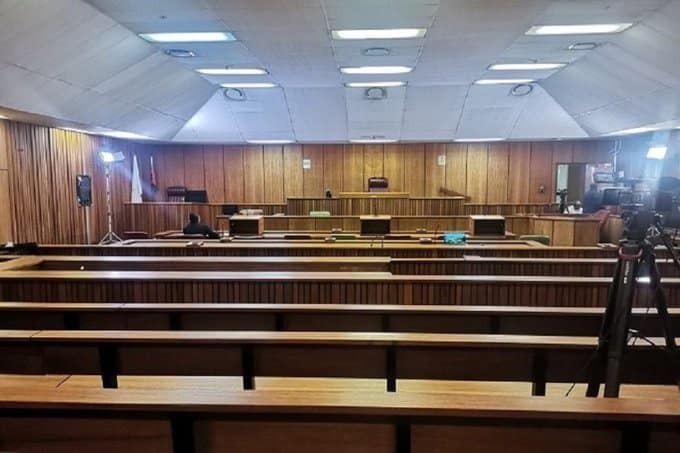
The National Prosecuting Authority (NPA) has assigned 50 dedicated prosecutors to handle Shanela II cases, operating from specialized courts in each province. As of Tuesday morning, approximately 8,200 of the 13,130 arrested suspects had made their first court appearances, with the remainder scheduled to appear by the end of the week.
Of those who have appeared:
- 4,500 were granted bail, many with strict conditions.
- 2,300 were remanded in custody pending further investigation.
- 1,200 were released due to insufficient evidence – a figure the NPA says is “within expected margins.”
- 200 pleaded guilty to lesser charges and received fines or suspended sentences.
“We are tracking for a conviction rate above 80% on the remaining cases,” said NPA spokesperson Kaizer Kganyago. “That would be exceptional for an operation of this scale. We are working closely with SAPS to ensure dockets are watertight.”
Political Reaction: Praise and Caution
Political reaction to the Shanela II arrests has been largely positive, though opposition parties have urged vigilance to ensure the operation is not used for political grandstanding.
President Cyril Ramaphosa, who was briefed on the operation on Monday evening, issued a statement commending SAPS “for a job well done.” The president added: “We promised South Africans that we would turn the tide on crime. This is what that looks like. But we cannot rest. Crime is a hydra. Cut off one head, and others grow. We must keep sweeping.”
Democratic Alliance shadow police minister Andrew Whitfield offered measured praise. “We welcome any successful crime-fighting operation. The numbers are impressive. But we need to see the breakdown: how many of these arrests lead to convictions? How many are repeat offenders who were previously out on bail? Without that context, 13,000 is just a number.”
Economic Freedom Fighters spokesperson Sinawo Thambo was more skeptical. “Shanela II is theater. They arrest thousands of poor people – mostly undocumented migrants and petty offenders – while the real criminals, the white-collar thieves, the corrupt officials, the syndicate bosses – they remain untouched. Sweep the streets all you want. Until you sweep the boardrooms, nothing changes.”
Looking Ahead: Shanela III and Beyond
General Masemola announced that Shanela III is already in the planning stages and is expected to take place in September 2026. That operation will incorporate lessons learned from Shanela I and II, including:
- Greater focus on electronic monitoring of bail applicants.
- Enhanced witness protection for those who testify against gang bosses and syndicate leaders.
- Dedicated youth crime prevention components, including school visits and after-school programs.
- Cross-border coordination with police in Mozambique, Zimbabwe, Botswana, and Eswatini to tackle transnational crime.
“We are not doing this once and declaring victory,” Masemola said. “Shanela is now a permanent feature of South African policing. It will happen again. And again. And again. Until crime is no longer a threat to the safety and security of our people. That is our promise. That is our commitment.”
Conclusion: A Significant Step, Not a Final Victory
The arrest of over 13,000 suspects in a single week is an achievement that few police forces in the world could match. It represents a significant step forward in South Africa’s ongoing battle against violent crime, drug trafficking, illegal mining, and gender-based violence. It demonstrates that when resources are allocated, intelligence is gathered, and agencies cooperate, results can follow.
But as many have noted, the underlying drivers of crime in South Africa – poverty, inequality, unemployment, weak social fabric, and a historically under-resourced criminal justice system – remain largely unaddressed. Shanela II can sweep the streets, but it cannot build schools, create jobs, or heal trauma. Those are tasks for society as a whole.
For now, however, South Africans can take some small comfort in the numbers. Over 13,000 suspects are off the streets. Thousands of illegal firearms are out of circulation. Drug labs have been dismantled. Hijacked vehicles have been returned. And for one week, at least, the police were not just reacting – they were leading.
“This is what we have been asking for,” said Thabo Mokoena, a resident of Nyanga, one of Cape Town’s most violent precincts. “Police who are visible. Police who are aggressive. Police who remind criminals that they are not untouchable. Shanela gave us that. Now give us more.”
The next Shanela operation is already being planned. The question is not whether it will happen – but whether the momentum can be sustained. For the sake of a safer South Africa, millions are hoping the answer is yes.
Shanela II at a Glance
| Metric | Figure |
|---|---|
| Duration | 4–10 May 2026 |
| Total arrests | 13,130 |
| Illegal firearms seized | 250+ |
| Drug labs dismantled | 3 |
| Hijacked vehicles recovered | 78 |
| Undocumented persons arrested | 2,134 |
| GBV-related arrests | 1,200+ |
| Estimated operation cost | ~R95 million |
| Conviction rate target | 80%+ |
The next Shanela operation is scheduled for September 2026, with smaller regional sweeps continuing monthly. For criminals across South Africa, the message is clear: the sweeping has begun, and there is nowhere left to hide.
About The Author